MAM
HDFC Standard Life gets a brand makeover


MUMBAI: Ten years into existence, private life insurance company HDFC Standard Life has gone for a brand makeover to make it more ‘relevant‘ and ‘connected‘ with today‘s youth.
The company has rebranded itself as ‘HDFC Life‘ and its brand philosophy ‘Sar Utha ke Jiyo‘ has taken a generation leap.
In the new three dimensional logo, red stands for vibrancy, youthfulness and exuberance, blue for dependability and financial expertise, and dark red for (vermillion) long life.

Says HDFC Standard Life EVP marketing & direct channels Sanjay Tripathy, “India is a young nation. Majority of our population is now below the age of 25 and to continue to be successful, it is imperative to be relevant to the changing lifestyles, values and ambitions of the young Indian consumer. Our new corporate identity is in tune with the changing consumer behaviour. It reflects vibrancy and dynamism, uses colours that resonate the ‘new age‘ values for life insurance, weeds out irrelevant clutter, and adds more clarity and sharpness to the logo. The new identity shares higher synergies with our parent – HDFC Ltd. Inspired by the form and colours of the HDFC brand, our new logo and brand name – HDFC Life – is a symbol of assurance, protection and pride of a life well lived.”
HDFC Life has also launched a new brand campaign, conceptualised by Leo Burnet, to convey its new identity.
Says Leo Burnet National Creative Director K V Sridhar, “Ambition must be rooted in reality. The single largest equity the brand has is, ‘sar utha ke jiyo‘ and the challenge to the team was to refresh that emotion and make it contemporary and young.”
The company‘s new brand campaign is directed by E Niwas. The creative team includes KV Sridhar (Pops), Nitesh Tiwari and Rupesh Kashyap.
Elaborates Leo Burnett ECD Nitesh Tiwari, “Emotions are universal and timeless but every passing generation interprets them differently. Similarly, self respect is as important to me as it was to my father or even his father but our ways of demonstrating them are different. And it is this change that we have attempted to capture in the film.”
Apart from television, the new campaign will be supported by other mediums such as print, radio, OOH, Internet, mobile, and on-ground initiatives.






Brands
Jubilant Foodworks to end Dunkin’ franchise in India
Pizza chain operator will not renew agreement when it expires at end of 2026.
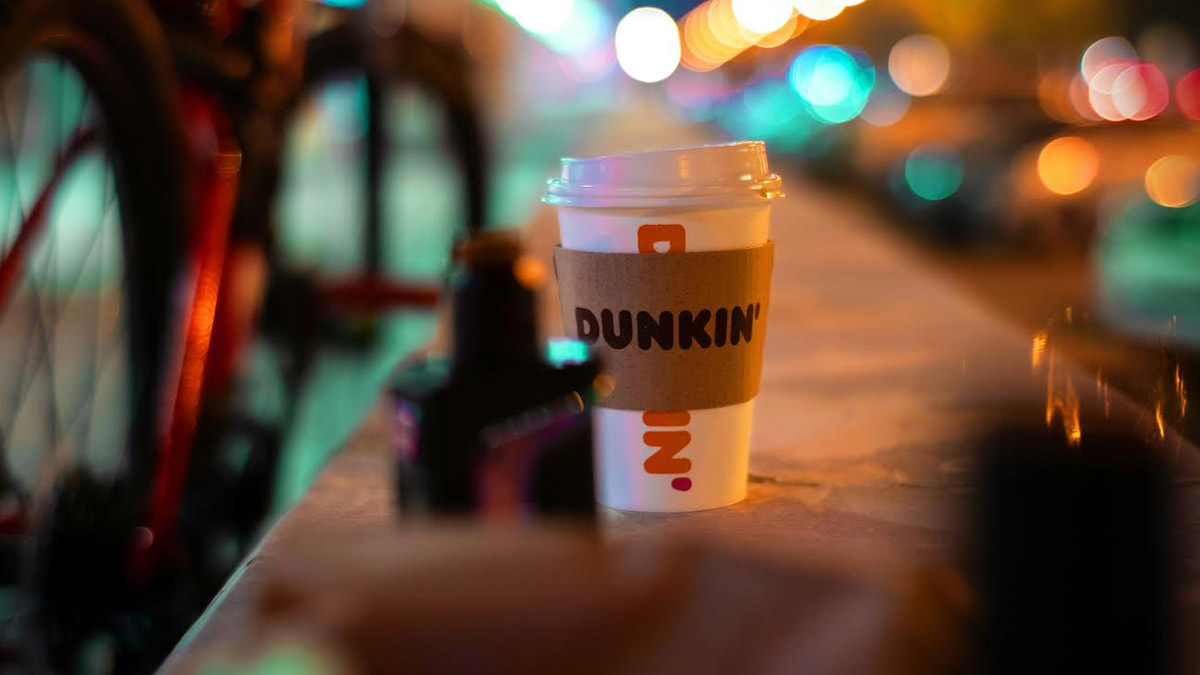
MUMBAI: When the doughnuts stop turning and the coffee goes cold, even a global giant like Dunkin’ can find the Indian market a tough brew to crack. Jubilant Foodworks has decided not to renew its franchise agreement with Dunkin’ when the pact expires on 31 December 2026, according to a Reuters report. The operator, best known for running Domino’s outlets in India, said it would evaluate options for its existing Dunkin’ stores, including a potential sale or transfer of franchise rights, in consultation with the US-based brand.
The decision follows years of underperformance in a market where local tastes and intense competition have made it difficult for international coffee-and-doughnut formats to gain traction. Jubilant, which has increasingly focused on its core pizza business and newer bets like Popeyes, indicated that the exit would not materially affect its financial or operational position.
Dunkin’ accounted for just 0.61 per cent of Jubilant’s revenue in the fiscal year ending 2025 and recorded a loss of approximately Rs 191 million, according to a regulatory filing. The company operated 27 outlets as of December 2025, having shuttered seven stores over the preceding year.
The retreat comes even as Jubilant’s broader business shows signs of momentum. The company reported a 65 per cent rise in quarterly profit for the October to December period, reaching Rs 70.9 crore, up from Rs 42.91 crore a year earlier.
For Jubilant, the exit reflects a sharpening strategic focus. For Dunkin’, it marks another setback in a market that has proven resistant to imported café concepts without significant localisation.
In the cut-throat world of Indian quick-service restaurants, sometimes the sweetest deals are the ones you quietly walk away from leaving more room for the brands that truly rise to the occasion.