Brands
HDFC Bank storms to No 1 as India’s brand elite crest $523.5bn valuation

MUMBAI: India’s brand engine has slipped into overdrive. The 2025 Kantar BrandZ Top 100 — the ranking’s first full-century roll-out — reveals a market that’s bigger, bolder and far more complex than the neat growth story the GDP lines suggest. Together, the country’s 100 most valuable brands are worth a muscular $523.5bn, or 13 per cent of national GDP — the highest share of any BrandZ-ranked economy.
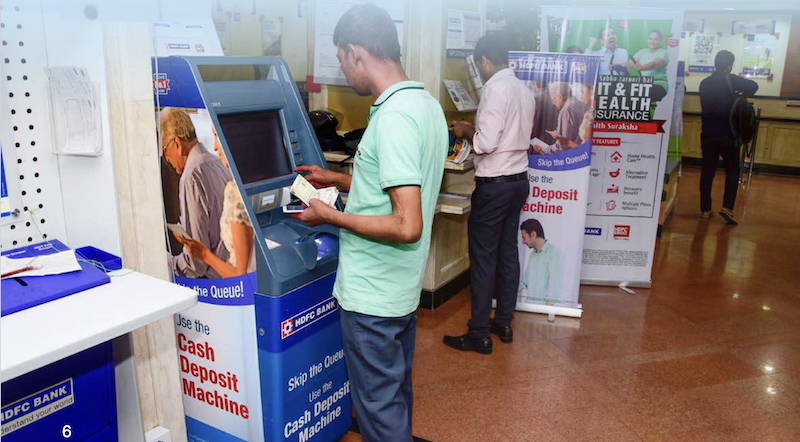
HDFC Bank has muscled its way to the summit, unseating TCS with a brand value of $44.99bn, up 18 per cent. Its transformation since the HDFC Ltd. merger — from buttoned-down lender to brand-savvy digital powerhouse — has given it swagger that India’s financial sector has rarely shown. Vigil Aunty, digital auto loans in 30 minutes, and a relentless push for ‘Meaningful Difference’ have paid off: HDFC’s brand value has soared 98 per cent since 2019.
But the real rocket booster this year is Zomato, which sizzles as India’s top riser with a 69 per cent leap in brand value. Once just a food delivery app, it is now a cultural staple, a lifestyle layer, and a behavioural default for India’s urban under-40s. Zomato jumps 10 places to No. 21 — a rise fuelled by its habit of turning everyday chaos into brand-building gold.

Further down the table, India’s experience economy is flexing. Taj, IndiGo, MakeMyTrip, Mahindra, and Bajaj Auto all notch robust climbs, signalling a consumer base that may be trading down in groceries but happily trading up in travel, mobility, and leisure. Cement players — UltraTech, Ambuja, JK Cement, Bangur — also roar ahead as India’s infrastructure build-out hits its heaviest stride in decades.
The list welcomes 18 newcomers — from Zepto to Zudio, Pine Labs to Meesho — and eight re-entrants. Quick commerce, fintech, real estate and premium FMCG are no longer disruptors; they’re establishment.
Yet beneath the glitter lies a harder truth: Indian brands are growing slower than their global peers. While global BrandZ leaders surged 29 per cent, India’s top players inched ahead by just 6 per cent. In a $4.2 trillion economy growing faster than almost any major market, that lag rings alarm bells.

The culprit? A persistent weakness on brand Difference. Too many Indian brands jostle in the middle, competing on volume, distribution and discounts — not on distinctive ideas or premium power. Kantar’s long-running analyses show that brands moving the needle on both Meaningfulness and Difference deliver dramatically higher shareholder returns. But few Indian names are taking big creative or product bets.
The report urges a reset: Stop copying global playbooks. Start building “Make for India” brands. Hyperlocal nuance, not broad brushstrokes. Innovation anchored in Indian behaviours, not borrowed from Shanghai or San Francisco. More risk, more creativity, more cultural fluency.
With a swelling middle class, a tech-savvy population, a booming rural opportunity, and one of the most brand-conscious youth cohorts on the planet, India is primed for breakout stories. But the window won’t stay open forever.
For now, India’s Top 100 look impressive. But the global stage is getting louder, fiercer, and faster — and India’s best-known brands must decide whether they want to stay comfortable at home or step out and swing harder abroad.
For a country that prides itself on speed, this is the moment to hit the throttle. The race is wide open — and the finish line is moving further away.






Brands
Maharashtra panel orders Lodha to refund Rs 5 crore to homebuyers
Consumer court flags unfair practices in long-running property dispute case
MUMBAI: In a sharp rebuke to one of India’s biggest real estate players, the Maharashtra State Consumer Disputes Redressal Commission has directed Macrotech Developers to refund nearly Rs 5 crore to a senior citizen couple, Uttam and Anindita Chatterjee. The ruling, delivered on March 13, 2026, calls out the developer for “deficiency in service” and “unfair trade practices”, bringing closure to a dispute that has stretched over a decade.
The case traces back to 2015, when the couple booked a 3-BHK flat at World Towers in Lower Parel for Rs 12.22 crore, with possession promised within a year. What followed was a series of changes that complicated matters. After deciding to exit the project, they were persuaded to shift to a 4-BHK in another development priced at Rs 8 crore, with delivery scheduled for 2018. However, within months, the price was allegedly increased to Rs 10 crore. After demonetisation reshaped the market, similar flats were reportedly being offered at lower prices, but the couple were not given the benefit.
Despite paying over Rs 2.83 crore, the couple neither received possession nor clarity. Instead, in 2018, the developer unilaterally cancelled the booking, retained part of the amount as earnest money, and argued that the buyers were investors rather than consumers. The commission rejected this claim, observing that casual references to “investment” do not take away consumer rights when the purchase intent is residential.
The bench also held that the developer could not penalise buyers for payment delays while failing to meet its own delivery commitments. It noted the lack of formal documentation for revised terms and termed the prolonged retention of funds without delivering a home as exploitative.
As part of its order, the commission directed the developer to refund Rs 2.83 crore paid by the couple, along with interest at 10 per cent per annum, amounting to around Rs 2.12 crore. In addition, Rs 1 lakh has been awarded for mental agony and Rs 50,000 towards litigation costs, taking the total payout to over Rs 5 crore. The developer has been asked to comply within two months.
For now, the ruling serves as a reminder that in real estate, shifting terms and delayed promises can carry a significant cost.