Brands
HDFC Bank opts for Adobe Marketing Cloud solution

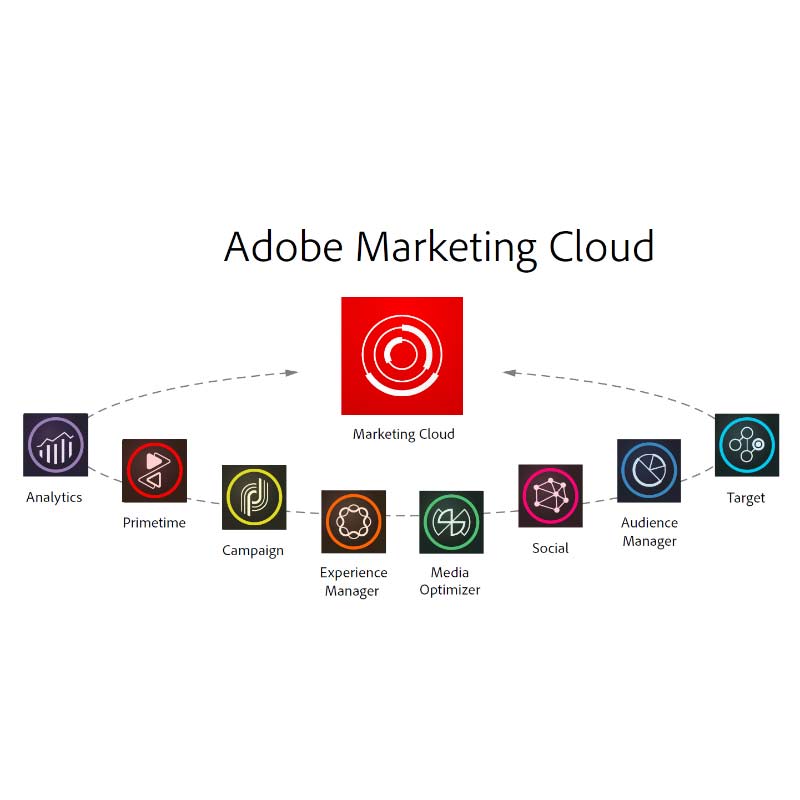
MUMBAI: HDFC Bank announced that it has selected Adobe Marketing Cloud platform to deliver personalized digital experiences to its 37 million customers. This multi-million dollar deal represents one of the biggest implementations of Adobe Campaign globally, and reinforces HDFC Bank’s commitment to taking the lead in providing a truly world-class digital experience for Indian customers.
In partnership with Adobe, HDFC Bank has developed a comprehensive email marketing solution based on Adobe Campaign that will span multiple outbound channels including email, SMS, social and mobile apps.
“The ongoing digital revolution has opened up an array of opportunities as well as challenges for companies across the world. This is especially true for the BFSI sector in India, where more and more customers are relying on the power of the internet for all their banking requirements. At HDFC Bank, we are making strategic investments in driving a company-wide digital transformation to deliver on the fast evolving needs of our customers today. The implementation of this solution provides us with a comprehensive view our customers’ engagements with our campaigns, allowing us to share relevant, personalised marketing content with them, which enhances the customers’ experience with us with a real time response. As one of India’s leading brands, it’s important to us to maintain the trust and relationship we have built with our customers by continuing to improve and innovate,” said HDFC Bank’s Kartik Jain.

As part of this partnership, HDFC Bank will replace its current engine for outbound campaigns with an all new solution based on Adobe Campaign that will help the Bank create multi-wave campaigns that will deliver an improved and personalized experience for its customers.
“In today’s digital era, consumers have a low tolerance for irrelevant or meaningless marketing material. A laser sharp focus on delivering the right message at the right time for customers is key to the success of any brand. We are excited about partnering with yet another industry leader and leading brand like HDFC Bank to drive their digital transformation agenda and help them engage with their customers in a multi-screen, digital world,” said Adobe south Asia MD Kulmeet Bawa.
Promoted by Housing Development Finance Corporation (HDFC), India’s leading housing finance company, HDFC Bank was incorporated in 1994 and is today one of the country’s premier banks providing a wide range of financial products and services to 37 million customers across India.







Brands
Nykaa eyes majority stake in Deepika Padukone’s 82°E brand
Deal could help scale premium label as Nykaa sharpens its beauty play
MUMBAI: Nykaa is in advanced discussions to acquire a majority stake in 82°E, the premium skincare label founded by Deepika Padukone, according to media reports.
The proposed deal signals Nykaa’s intent to deepen its House of Nykaa portfolio while giving 82°E the scale it has struggled to achieve independently. Padukone is expected to retain a minority stake if the transaction goes through.
For Nykaa, the play is both strategic and timely. With a customer base of over 42 million, the company is betting on its strong distribution, logistics, and repeat purchase ecosystem to revive the brand’s momentum. The two sides already share a working relationship, with Padukone serving as Nykaa’s global brand ambassador since September 2025.
Launched in late 2022, 82°E entered the market with a premium positioning but has faced headwinds. The brand reported revenue of Rs 14.7 crore in FY25, down 30 per cent year on year, alongside losses of Rs 12.26 crore. Industry observers have pointed to steep pricing, a somewhat diffused brand identity, and intense competition from digital-first labels as key challenges.
The potential acquisition also reflects a broader shift in India’s beauty and lifestyle space, where celebrity-led brands are increasingly partnering with larger corporates to unlock scale. Alia Bhatt’s Ed-a-Mamma, for instance, sold a majority stake to Reliance Retail, while Katrina Kaif’s Kay Beauty has emerged as a standout success within Nykaa’s portfolio, clocking Rs 132.4 crore in FY25 revenue.
Nykaa itself has been on a strong growth trajectory. Its parent, FSN E-Commerce Ventures, reported a 156 per cent jump in net profit to Rs 68 crore in the December 2025 quarter, with revenue reaching Rs 2,873 crore.
Nykaa has been steadily building its portfolio through acquisitions such as Dot & Key, Earth Rhythm and Nudge Wellness, signalling a clear push to own and scale homegrown brands.
If the 82°E deal materialises, it could mark a fresh chapter for the label, blending celebrity appeal with corporate muscle. For Nykaa, it is another calculated step in staying ahead in an increasingly crowded beauty aisle.






