MAM
Havas wins creative mandate for Dabur Honey

NEW DELHI: Dabur Honey has awarded its creative communication mandate to Havas Creative. Dabur Honey is India's largest branded honey maker and has contributed to the lives of many Indians for over three decades.
As part of the mandate, Havas will be handling the creative duties for Dabur Honey and all its extensions. The account was won following a rigorous multi-agency pitch. The business will be managed out of the agency's Delhi office.
The agency kickstarts the brand’s journey with a TVC that sends out a clear message – ‘Not every honey brand has the right to be called honey.’

The film aims to inculcate a habit of checking the authenticity and credibility of a product in the minds of the consumers before purchasing and stay watchful of fake products/imitations in the market. The film calls out to its loyal consumer and all those who have truly made Dabur Honey the No. 1 honey brand in the world, advising them to look carefully before they buy. The campaign has been conceptualized and executed by Havas Creative.
The film features an interesting exchange between two shoppers that ends with “Kissi ko bhi apna honey nahi bol sakte na (not every honey brand can be called honey)!”, thereby subtly highlighting that consumers can be rest assured they have bought real honey when they spot the Dabur honey logo on the bottle.
As the largest player in the branded honey market, Dabur is powered by an extensive sourcing network and practices stringent quality control measures, in line with this the campaign communicates the quality checks that the product undergoes and which make it the world’s No. 1 honey brand.
Dabur India category head Kunal Sharma said “We are excited to have Havas on board as our creative partner. Their understanding of our market and our consumers was impressive, and we found their work creatively very exciting. As we roll out our first communication with them, it further cements our decision. Dabur Honey is the world’s number one honey brand because our consumers are loyalists and have trusted us for many generations.”
Havas Group India CEO Rana Barua said “We are proud to have won the mandate for an iconic brand like Dabur Honey and all its extensions. This has been one of the biggest and most prestigious wins for the agency this year. Winning the mandate makes this piece of communication even more special. With our Havas integrated Village model, we will continue to create path-breaking work that makes a meaningful difference in the lives of its consumers. We look forward to further strengthening the brand’s legacy in the market”
Talking about the new mandate being awarded to Havas Creative and the campaign, Havas Creative national creative director Ravinder Siwach added “Dabur Honey is poised to break new grounds in its product offerings and we couldn’t be happier having been entrusted the journey ahead for one of Dabur India’s marque brands. In current times, consumers have become more health-conscious than before, which has led to an increase in many ‘me too’ imitations. The idea behind the film was to build awareness around the topic of purity and to advise consumers to be more vigilant before they make a purchase.”





MAM
Ameya Velankar steps down as Uber’s head of marketing for India & South Asia
Veteran marketer exits after more than seven years with the ride-hailing giant.
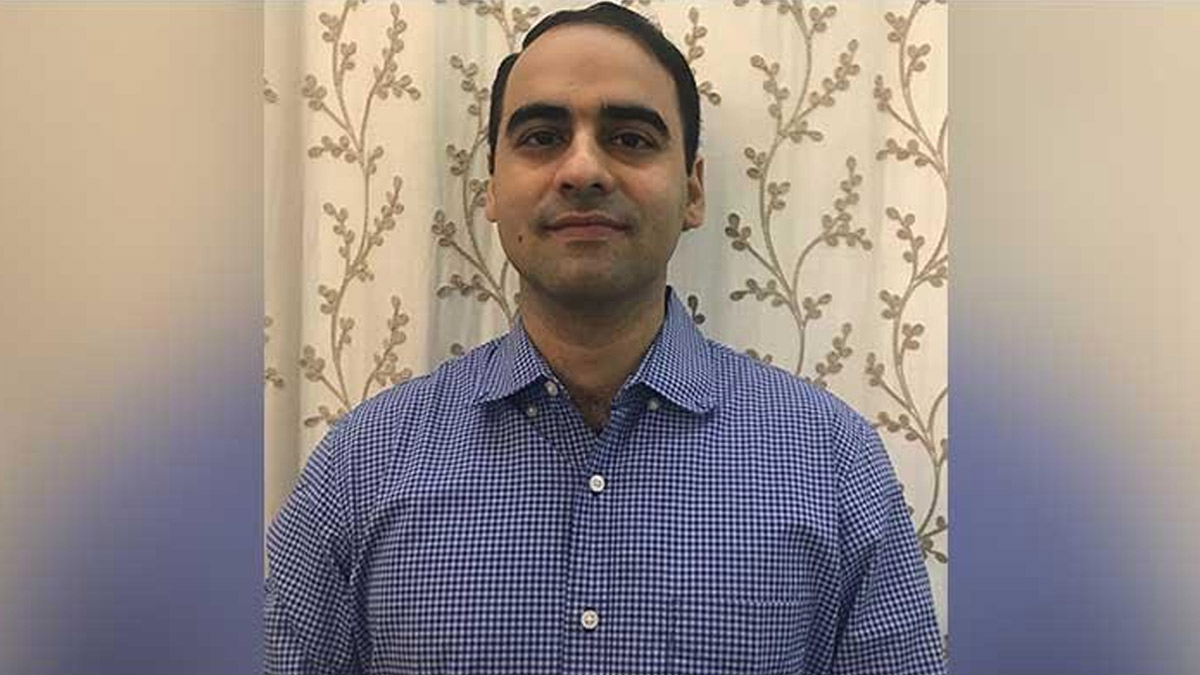
MUMBAI: After more than seven years of steering Uber through the bumpy roads of India’s mobility market, Ameya Velankar has decided to change lanes. Ameya Velankar has stepped down as Head of Marketing for India and South Asia, marking the end of a significant chapter at the ride-hailing company. He had been with Uber since 2019, taking on multiple roles in product and category marketing before rising to lead the marketing function for the region in 2021.
During his tenure, Velankar played a key role in strengthening Uber’s positioning in one of its most competitive and dynamic markets. He helped drive localised marketing strategies and scale adoption across key offerings such as Auto, Moto, Rentals and Intercity, tailoring global platforms to Indian consumer needs.
Prior to joining Uber, Velankar built his marketing expertise at leading consumer companies including SC Johnson and Marico, where he handled category and product leadership roles. His career began at RPG Enterprises.
Details of his next professional move have not been disclosed.
In a fast-evolving mobility landscape where brands constantly battle for attention, Ameya Velankar helped Uber stay relevant and resonant with millions of Indian users. As he moves on from the driver’s seat of marketing, the company will now look for fresh ideas to keep its wheels turning smoothly.






