MAM
Havas unveils Ava, its new human-led AI platform

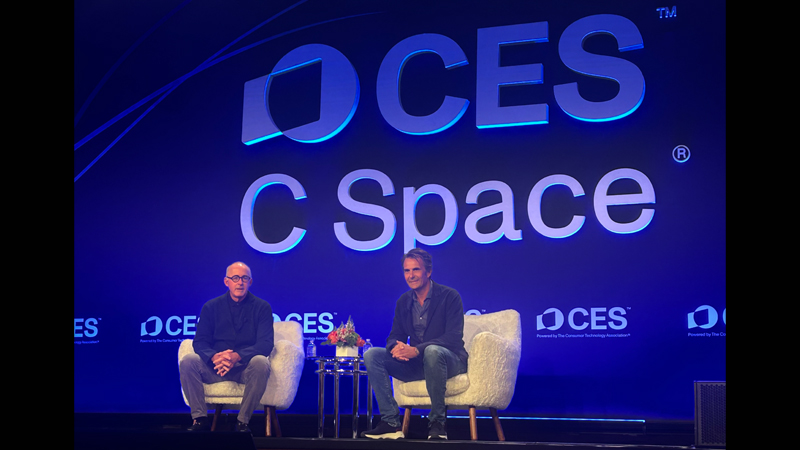
LAS VEGAS: Havas made a confident play at CES 2026, lifting the curtain on Ava, a global large language model portal designed to put artificial intelligence firmly in human hands.
Unveiled on the C Space stage by Havas chairman and CEO Yannick Bolloré alongside brand veteran Jim Stengel, Ava is Havas’ latest step in blending cutting-edge technology with creative instinct. The message was clear. AI should scale imagination, not sideline it.
Set to roll out from spring, Ava will offer Havas teams and, eventually, clients secure, centralised access to the world’s most advanced AI models, including GPT-5, Claude Opus 4.5 and Gemini 3. Rather than betting on a single brain, Ava lets users choose the right AI partner for the job, from strategy and insight to ideation and execution.

The name is symbolic. Ava draws from the heart of the Havas Village model, reflecting how the group connects diverse talent under one roof. In practice, it becomes a single gateway for insights, agents and proprietary intelligence, helping teams move faster from brief to breakthrough while staying safe, compliant and on brand.
Ava builds on the momentum of Converged.AI, Havas’ group-wide AI strategy launched in 2024. Backed by close to one billion euros in investment, including a further 400 million committed through 2027, the programme is designed to keep data flexible, decisions smarter and client solutions scalable.
Speaking at CES, Bolloré struck a balanced note on the future of advertising. Generative AI, he said, is not just a tech upgrade but a cultural shift. One that works best when guided by human judgement, empathy and creativity. AI literacy sits high on the agenda, with Havas committed to training and certifying every employee to use these tools responsibly.
“Technology amplifies human creativity, it doesn’t replace it,” Bolloré said. “Ava brings leading AI together in one secure portal, helping our teams and clients innovate with confidence.”
Beyond the announcement, Havas made its presence felt across Ces with an expanded base at Aria and a dedicated space within the storyteller environment. It was the only agency represented in this way, underlining its ambition to shape conversations where creativity, media and technology meet.
The group also showcased AI in action. Highlights included its partnership with Akkio to boost agentic capabilities, the Vermeer platform for brand-safe creative output at scale, and investment in Vurvey, an AI-powered research tool blending real and synthetic data within regulatory guardrails.
For those not in Las Vegas, Havas is sharing select insights and executive perspectives via its Superstream platform, offering a curated take on CES without the crowds or the noise.
At CES 2026, the takeaway was refreshingly human. In a world racing towards automation, Havas is betting that the smartest future is one where people stay firmly in the loop.




Brands
Devyani International names Sandeep Anand, Robinder Singh in key roles
Pizza Hut and Costa Coffee businesses see leadership refresh from April
MUMBAI: Devyani International has strengthened its senior leadership bench with a fresh set of appointments across its key brands, Pizza Hut and Costa Coffee, signalling a sharper focus on growth and brand momentum.
The company has appointed Sandeep Anand as chief marketing officer and business head for Pizza Hut. His appointment, approved by the board via a circular resolution on April 3, follows a recommendation by the Nomination and Remuneration Committee, as reported by CNBC-TV18. Anand will officially step into the role on April 6, 2026.
He takes over from Vijay Gogate, who currently serves as chief executive officer for Pizza Hut within the company’s operations. The move marks a strategic transition as the brand looks to sharpen its marketing and business playbook in a competitive quick service restaurant market.
Anand brings over two decades of experience across the food and FMCG sectors, with a strong track record in brand building and innovation. His career spans roles at major consumer-facing companies including Domino’s, Zydus Wellness, Zomato, GSK Consumer Healthcare, Reckitt and Ranbaxy, giving him a well-rounded perspective on both scale and agility.
Alongside this, Robinder Singh has been appointed business head for Costa Coffee and the company’s airport operations. He too will assume his new role on April 6, bringing more than 18 years of experience in operations, business expansion and customer experience transformation.
The twin appointments come at a time when Devyani International is doubling down on leadership depth to steer its portfolio through evolving consumer preferences and heightened competition. With fresh faces at the helm of two key verticals, the company appears set to brew up its next phase of growth with renewed energy.






