MAM
Harkness Screens joins the fight against COVID-19

MUMBAI: Harkness Screens recently announced that it would be starting a number of research and development projects into ways that they could support healthcare workers, social care workers and key workers; thereby using their unique skills and broad geographical footprint. With factories in the US, the UK, France, India and China, the effects of COVID-19 and the coronavirus have been felt by all branches of the Harkness tree. With going to the cinema and large gatherings off the agenda for the foreseeable future, Harkness Screens now shift to focus on how they can help those on the frontline best.
With 90 years’ experience working with screens surfaces, PVC having been the core material used for majority of this time, Harkness have the process and the skills and belief that they can instead provide durable and protective clothing and equipment for those on the frontline, fighting COVID-19. Harkness have prototype designs of medical curtains and heavy-duty PVC aprons using the PVC usually used to create a movie theatre’s silver screen. These could be rolled out into a number of different environments, such as the fast food, hotels, restaurants and supermarkets.
With a firm belief that Harkness Screens can offer much-needed protection and help in these difficult times, Mark Ashcroft, CEO of Harkness Screens, said: “For us, this pandemic could be felt at the tail end of last year when the onset of it in China meant that our factory remained closed from Chinese New Year to the end of March. As a result, when COVID-19 reached the other regions we operate in, we knew what to expect and were proactive in thinking of new ways to help. Our team across the world have been collaborating to think of products that could help those on the frontline. I have seen images of medical staff at drive through testing centres in the USA and the UK wearing aprons that are made from a material no thicker than that of a plastic bag you can get from a grocery store. They blow in the wind easily and expose people putting themselves in danger of contracting the disease.”

He further added, “These heavy-duty aprons made out of PVC would sit far stiller and would take much more than a breeze to disrupt them. We truly believe that we can help those on the frontline at the moment and hope that people take us up on our sincere offer to provide assistance in these unprecedented times.”
Chief Scientist and Director of R&D (research and development), Laurent Espitalier believes that all of Harkness’ ideas are well within the skillset and capabilities of Harkness staff all over the world. He said, “All of the concepts we have come up with use the same techniques and technology that we use every day in the manufacturing of cinema screens. Things like the medical curtains have a place in all critical industries, maintaining high rates of production and can be very easily produced by us. Speaking to my colleagues all over the world, who are in different stages of this pandemic, I am sure that Harkness Screens can offer help where it is most needed. The fact that we have such a wide global footprint means that we can help countries and provide them with high quality PVC products, because we have a wealth of knowledge in that material.”
Harkness Screens are also currently developing other ideas that could help commercial industries maintain high standards of health and safety, both during and post the COVID-19 pandemic.





Brands
Kingfisher signs three-year IPL partnership
Packaged water brand signs on as ‘good times partner’ for 2026–28 cycle
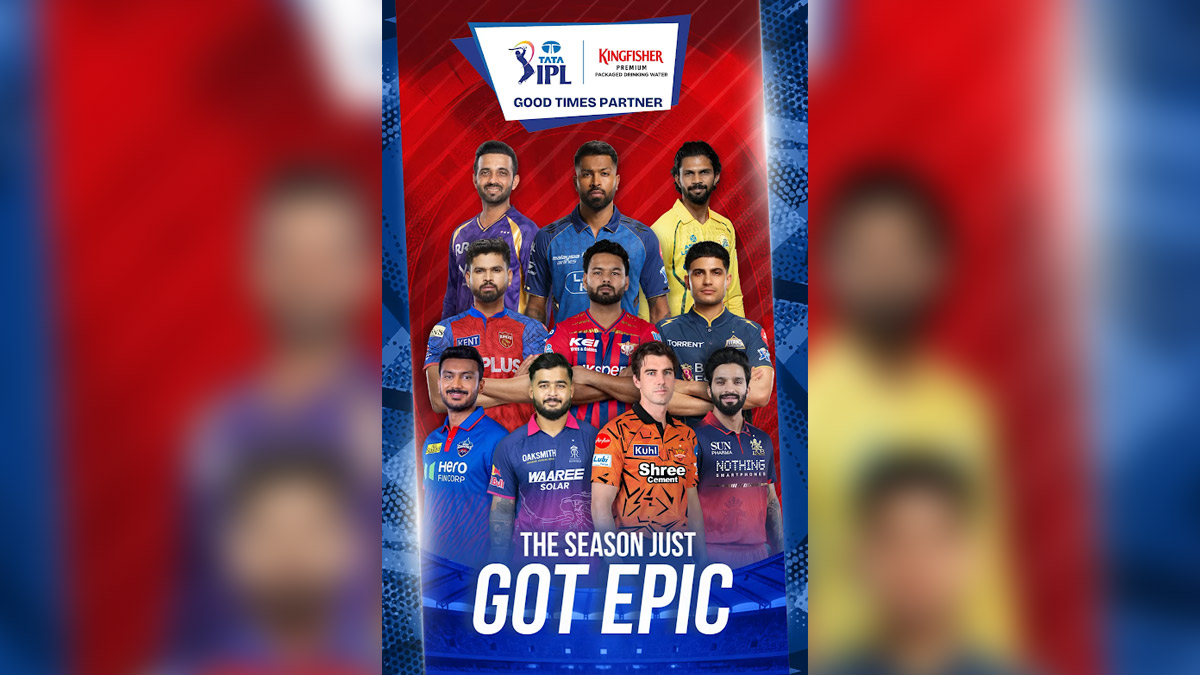
MUMBAI: Kingfisher Premium Packaged Drinking Water is betting big on cricket’s biggest stage, sealing a three-year partnership with the Board of Control for Cricket in India to sharpen fan engagement at the TATA Indian Premier League.
The brand, owned by United Breweries, will serve as the official “good times partner” for the men’s IPL from 2026 to 2028, extending a relationship that began with the Women’s Premier League. The move signals a broader push to embed itself deeper into live sport, with a focus on immersive, consumer-led experiences rather than conventional sponsorship visibility.
At the heart of the tie-up is a suite of fan-first activations spanning broadcast, stadiums and digital channels. These include the “Kingfisher Bird Cam”, offering a branded spider-cam perspective during live matches, and the “Good Times Zone”, an in-stadium entertainment hub during play-offs aimed at amplifying match-day buzz. The brand will also back IPL fan parks, elevate public screening experiences and run digital contests tied to key moments through the season.
Vikram Bahl, chief marketing officer, United Breweries, said cricket in India “is more than a sport, it is a shared cultural moment”, adding that the IPL brings that energy alive at scale. “For Kingfisher Premium Packaged Drinking Water, being present at the heart of these moments, in partnership with the BCCI, is a natural extension of what we stand for. Through this association, we aim to enrich how fans experience the game… making every match more immersive, social and memorable,” Bahl said.
Devajit Saikia, honorary secretary, BCCI, said the IPL “has always been at the forefront of redefining sports entertainment and fan engagement”. He added that the collaboration would fuse cricket fandom with “innovative fan experiences that extend beyond the stadium”, helping create memorable moments for audiences nationwide.
For United Breweries, part of the HEINEKEN group, the play is clear: move from passive branding to active participation in the fan journey—on screens, in stands and across social spaces. With millions tuning in and turning up each season, the IPL remains the country’s most potent marketing theatre. The question now is whether “good times” can translate into lasting brand recall in a market where visibility is easy, but engagement is hard-won.








