MAM
Gupshup hires marketing leader Salim Ali as chief marketing officer

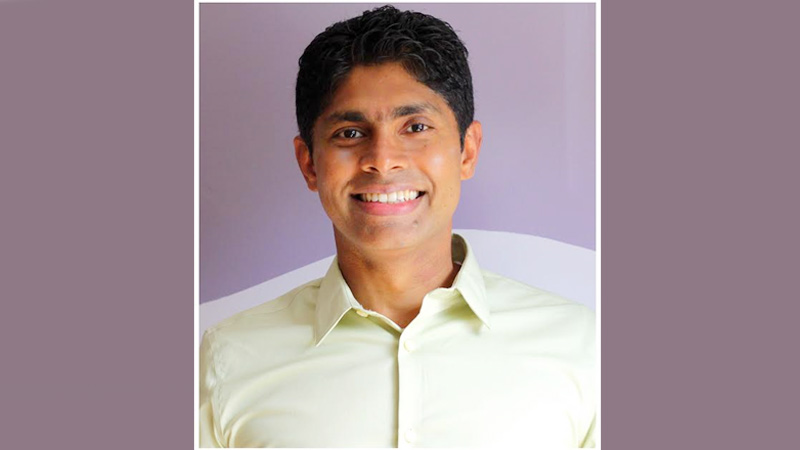
Mumbai: Gupshup, the leading Conversation Cloud, announced the appointment of Salim Ali as chief marketing officer (CMO). Based in Silicon Valley, Salim will lead full stack marketing across the entire value chain, and across all routes to market. He comes with close to three decades of experience and will be supporting Gupshup’s global growth and expansion with an expansive suite of solutions that comprise the Gupshup Conversation Cloud.
Having led large and globally dispersed teams, Salim brings deep marketing experience, building and scaling business lines across large enterprises and startups. In his previous role, Salim was the chief marketing officer at WordPress VIP, where he was running all things marketing from amplifying the WordPress brand voice, product marketing, new demand to industry and customer marketing. Before WordPress VIP, he held senior roles at the likes of SAP, Avalara, and Veritas Technologies, managing global teams across North America, LatAm, UK/EU, MENA, and APJ Markets.
At Gupshup, he will be at the helm of crafting a compelling and inspiring brand and platform story for the company’s key audience cohorts, scaling global demand generation, and amplifying customer marketing efforts by building out and expanding key GTM capabilities. This includes industry marketing, value messaging, ROI-based storytelling, and marketing operations- necessary for global coverage and accelerated growth.

“I am excited to welcome Salim to Gupshup as we further strengthen our very capable marketing leadership. His established expertise in accelerating enterprise digital experiences across global markets will be instrumental in propelling our growth. I am confident that he’ll fit in well with our culture and help take marketing to the next level, driving great impact with customers and investors alike”, said Gupshup CEO & co-founder Beerud Sheth.
Ali said, “I’m thrilled to join Gupshup at this stage of global growth. It’s an exciting phase for us as brands across the globe are investing in direct, contextual and immediate conversation capabilities to accelerate marketing, sales and CS imperatives. The 45,000+ brands powered by Gupshup is a sneak peek into how 1:1 conversations at scale is the inevitable future.”
Salim holds an MBA from the Kellogg School of Management at Northwestern, and an M.S in Computer Science from Louisiana State University. He is an ardent movie buff with equal love for Hollywood and Bollywood creations.




MAM
Beacon Group appoints Dr Rajesh Patel as Group CEO
36-year healthcare veteran to lead Beacon Diagnostics, Vector Biotek, Biogeny.
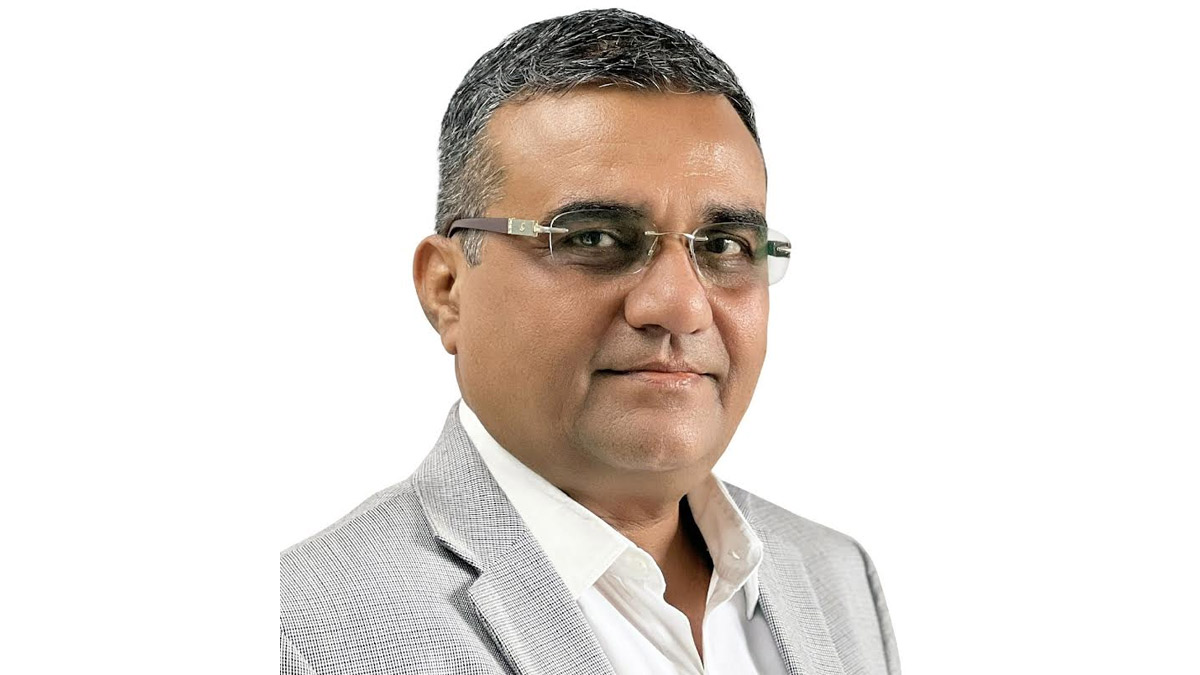
MUMBAI: A new chief, a fresh diagnosis and a sharper prescription for growth. Beacon Group has appointed Dr Rajesh Patel as its Group Chief Executive Officer, effective April 1, 2026, signalling a decisive push to scale its presence in the diagnostics and IVD space. Patel steps into the role with 36 years of experience across the healthcare and diagnostics industry, bringing a career shaped by leadership roles spanning sales, marketing, business development and operational strategy. His mandate is both expansive and precise: to steer the group’s overall strategic direction while tightening coordination across its three core entities Beacon Diagnostics, Vector Biotek and Biogeny Diagnostics.
In practical terms, that means driving cross-company synergies, accelerating market expansion and strengthening organisational capability areas increasingly critical as diagnostic players compete for scale in a fragmented yet rapidly evolving healthcare ecosystem. The group is positioning itself to capture unmet demand across chain laboratories, key accounts and standalone labs, segments that remain underserved despite growing diagnostic needs.
The appointment comes at a time when the In Vitro Diagnostics (IVD) sector in India is entering a more competitive and innovation-led phase, with companies focusing not just on product pipelines but also on service delivery, integration and customer-centric models. Beacon’s leadership appears to be betting that Patel’s execution-focused approach can help translate ambition into operational momentum.
Welcoming the appointment, Chairman Dr D K Joshi described Patel’s induction as a strategic move aligned with the group’s long-term vision, emphasising the role of leadership depth in navigating the next phase of growth.
For Beacon Group, the message is clear, in a sector where precision matters, leadership is the new differentiator—and this appointment is intended to set the tone for what comes next.






