MAM
Guest Column: Invest NOW in Indian TV industry


As per PWC 20th Annual Global CEO survey, top 5 concerns for entertainment and Media CEOs worldwide are : Changing consumer behaviour, availability of key skills, volatile energy costs, uncertain economic growth and speed of technological change. Despite the concerns as above, nearly 35%global Entertainment and Media CEOs are confident about improvement in global economic growth and in 12-month revenue prospects.
In an absolute contrarian play-out case of India, almost all these factors are weighing in favour of the growth of M&E industry in India. There is therefore every reason for investing in the emerging great Indian M&E story.
Micahel Porter’s five forces analysis is a framework for analyzing the level of competition within an industry and business strategy development. It draws upon industrial organization (IO) economics to derive five forces that determine the competitive intensity and therefore the attractiveness of an industry.Porters Five Forces Analysis throws up an overall high degree of attractiveness for the M&E industry in India:


Competitive rivalry
With the M&E industry being highly fragmented with no single enterprise having large enough share to influence the entire sector along with high fixed costs & highly perishable products, the risk factor here at best is medium.
Threat of new entrants
With involvement of high sunk costs, high capital requirements and access to distribution difficult, at best the risk factor here is low.
Substitute Products
Once again risk factor here is low as Film industry, print media and internet and significant sporting events like World Cup, T20 etc & other cultural events
Bargaining Power of suppliers
Since the number of suppliers is very high which leads to the low bargaining power with them and with an ever increasing number of content providers, risk factor once again is low.
Bargaining Power of customers
Increased globalisation along with consumers’ loyalty towards one channel being less owing to a variety of alternative sources of entertainment being available, this factor can at best have a medium risk attached to it.
Conclusion
In its annual sector forecast for 2017-2021 survey undertaken by PWC across 54 countries, M&E sector is expected to grow at a CAGR of 4.2% which is lower than the projection for the average GDP growth. Lower than the average GDP growth will be for the first time in global markets signalling that the sector may be plateauing in many of these countries.
Unlike such sectoral shrinkage in global markets, in India, M&E sector projected to grow at near 10.5% and TV at 11% plus is far above the projected economy GDP growth rate.
The right time to invest in Indian M&E industry and in Indian TV industry is therefore right now.
 |
(Piyush Sharma, a global tech, media and entrepreneurial leader, created the successful foray of Zee Entertainment in India and globally under the ‘Living’ brand. The views expressed here are of the writer’s and Indiantelevision.com may not subscribe to them.) |





MAM
Ameya Velankar steps down as Uber’s head of marketing for India & South Asia
Veteran marketer exits after more than seven years with the ride-hailing giant.
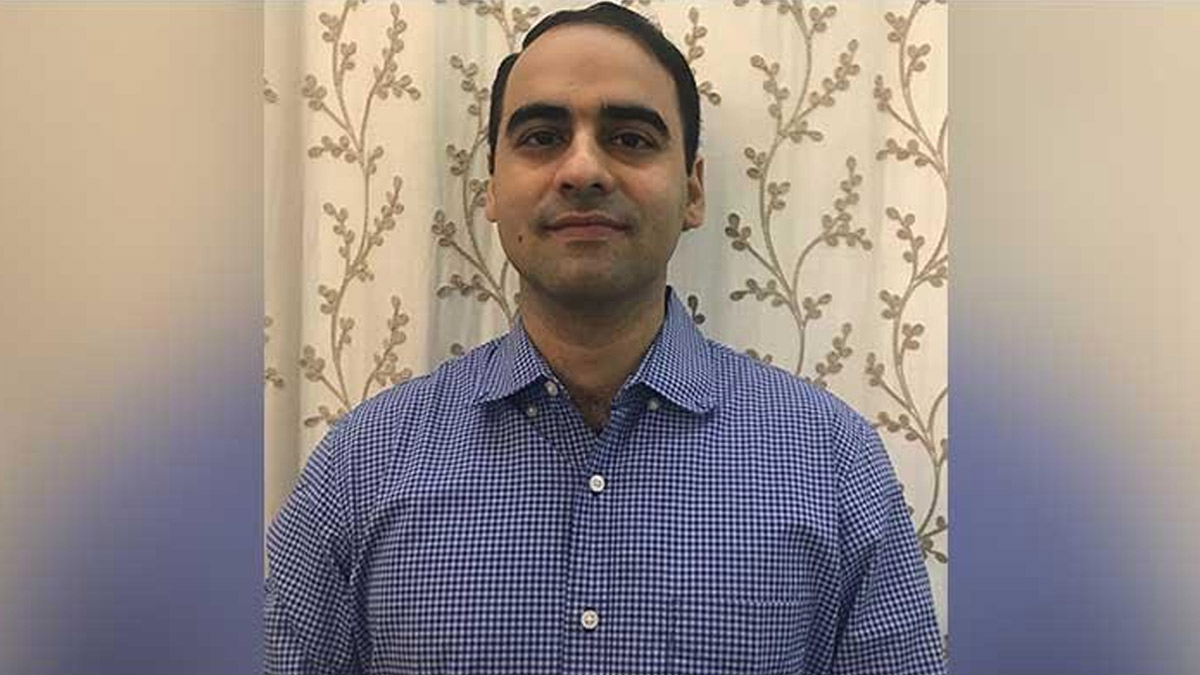
MUMBAI: After more than seven years of steering Uber through the bumpy roads of India’s mobility market, Ameya Velankar has decided to change lanes. Ameya Velankar has stepped down as Head of Marketing for India and South Asia, marking the end of a significant chapter at the ride-hailing company. He had been with Uber since 2019, taking on multiple roles in product and category marketing before rising to lead the marketing function for the region in 2021.
During his tenure, Velankar played a key role in strengthening Uber’s positioning in one of its most competitive and dynamic markets. He helped drive localised marketing strategies and scale adoption across key offerings such as Auto, Moto, Rentals and Intercity, tailoring global platforms to Indian consumer needs.
Prior to joining Uber, Velankar built his marketing expertise at leading consumer companies including SC Johnson and Marico, where he handled category and product leadership roles. His career began at RPG Enterprises.
Details of his next professional move have not been disclosed.
In a fast-evolving mobility landscape where brands constantly battle for attention, Ameya Velankar helped Uber stay relevant and resonant with millions of Indian users. As he moves on from the driver’s seat of marketing, the company will now look for fresh ideas to keep its wheels turning smoothly.






