MAM
Guest Column: Dear Me…Be a good loser!

I failed often, failed bitterly, had my fair share of ups and downs. I had my apprehensions and my faults. I share here the positive convictions I have gained. May be they hold some wisdom for the millennials of today too as they venture for their first inclines.
A line in a poem by Czeslow Milosz that’s always stuck with me: “Love means to learn to look at yourself/ The way one looks at distant things/ For you are only one thing among many.” The key to happiness, the poem suggests, is to understand that you need to become less self-obsessed – so that you can better relate to the world around you.
I was fortunate to rise to the job of a CEO within 11 years of take-off.

24 years since I started and as an athlete at the peak of his game today, here are 7 things I would want my younger self to take care of.
1. Seize the moment. Carpe Diem. I would volunteer for the next responsibility and rise to the occasion. I would not make ‘best’ the enemy of ‘better’. No work is too small. I would relish the opportunity to work. If you’re not progressing, you’re regressing; so, keep moving forward. The key to success in any field or endeavor is to keep moving forward. In the block-buster Indian movie Baahubali, the Hero gives the dark horse a piece of advice – “Zindagi Ek Baar Sher banane ka mauka sabko zaroor deti hai” (Life gives you the chance to become a Hero at least once). This one moment must be seized. Also as goes the popular Hindi saying “Behta paani nirmala” – translated into English which is “Rolling Stones gather no moss”.
2. Take care of myself. Your body is the greatest instrument you will ever have. I would keep it in fit condition. You are beyond your body. The quality and power of your mind will determine how you well you would fare in the wake of challenges. I would train my mind. The importance of constant upgradation of your intellect cannot be emphasised enough.
3. Kill my ego. Adapt to the world. You need them. They don’t. Simple. Adapt to the situation or the challenge. Not even a whiff of entitlement. Please. Half of my problems is me. The other half is the circumstances. I would find the best combination.
4. Choose to be happy. I would not be rigid about my wants. I would awake to the truth that I can change my wants. Happiness does not depend on anything but me. Wants are changeable.
5. Save money. I would start early to create wealth by saving money. A dollar yesterday is bigger than one today. Money grows. The power of the exponential function is one of the most misunderstood!
6. Be a good loser. I would rise every time I fall. You only fail if you do not get up. I would fail fast, fail often, fail uninhibitedly and fail – not quit – till I succeed. And again… A progressive mentality doesn’t mean that you’ll never experience major setbacks, or even utter failure–which can deliver vital lessons and invaluable experience. Additionally, reflecting on how far you’ve come can provide necessary motivation. Remember, there are no shortcuts. True success is as much about hard work as about resilience–the ability to keep getting up when you’re tempted to throw in the towel. Never give up. Ever.
7. Find my spiritual center. I would involve myself in spirituality much earlier than I did. To know how to live better, be content and spend life so that it is worthwhile.
Some of the above are convictions because they invariably stood me in good stead. Some of them I did not practise but would be wise to – were I to do it again! Happy Living.
 |
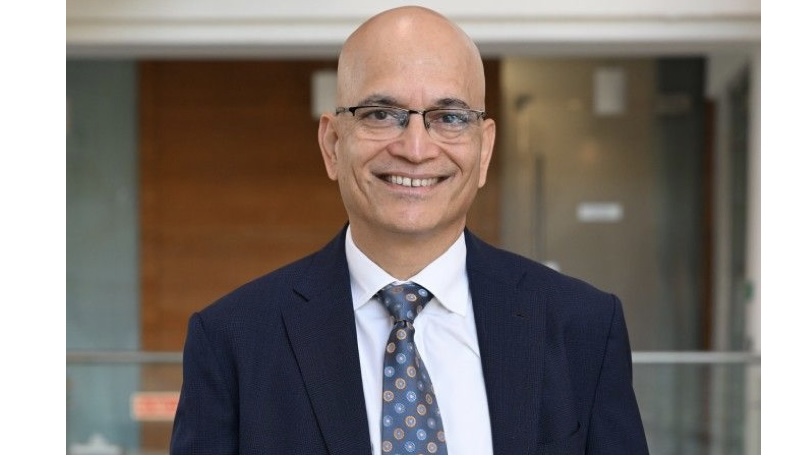
(Piyush Sharma, a global tech, media and entrepreneurial leader, created the successful foray of Zee Entertainment in India and globally under the ‘Living’ brand. The views expressed here are of the writer’s and Indiantelevision.com may not subscribe to them.) |





MAM
Ameya Velankar steps down as Uber’s head of marketing for India & South Asia
Veteran marketer exits after more than seven years with the ride-hailing giant.
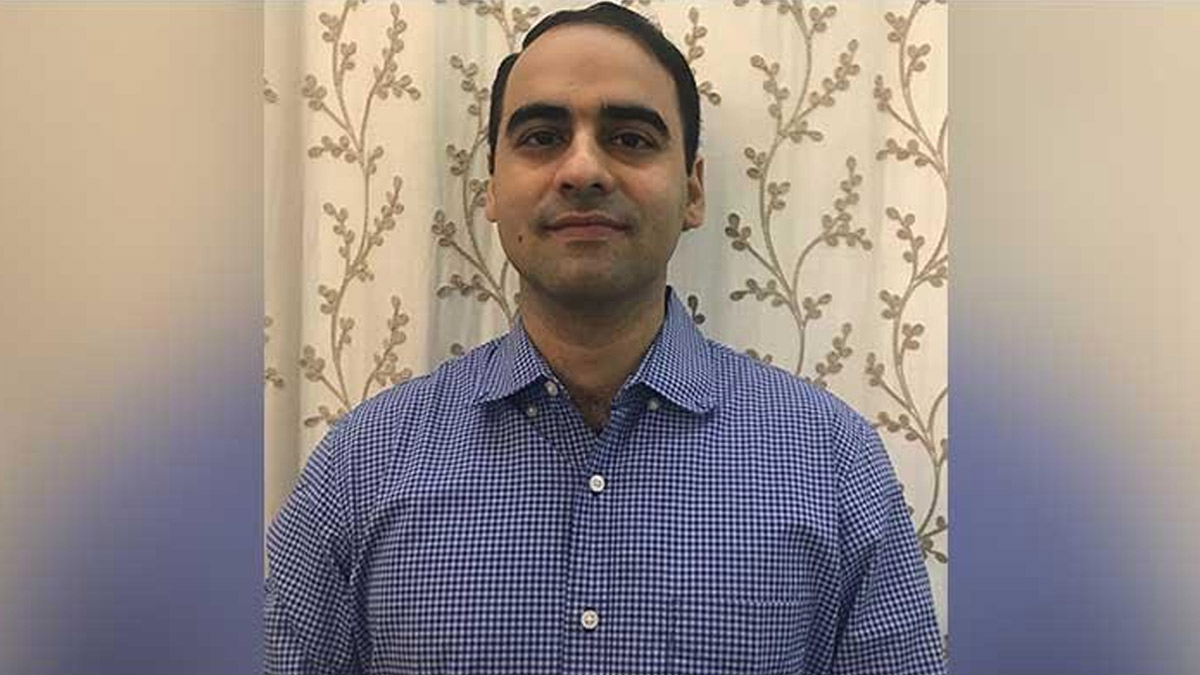
MUMBAI: After more than seven years of steering Uber through the bumpy roads of India’s mobility market, Ameya Velankar has decided to change lanes. Ameya Velankar has stepped down as Head of Marketing for India and South Asia, marking the end of a significant chapter at the ride-hailing company. He had been with Uber since 2019, taking on multiple roles in product and category marketing before rising to lead the marketing function for the region in 2021.
During his tenure, Velankar played a key role in strengthening Uber’s positioning in one of its most competitive and dynamic markets. He helped drive localised marketing strategies and scale adoption across key offerings such as Auto, Moto, Rentals and Intercity, tailoring global platforms to Indian consumer needs.
Prior to joining Uber, Velankar built his marketing expertise at leading consumer companies including SC Johnson and Marico, where he handled category and product leadership roles. His career began at RPG Enterprises.
Details of his next professional move have not been disclosed.
In a fast-evolving mobility landscape where brands constantly battle for attention, Ameya Velankar helped Uber stay relevant and resonant with millions of Indian users. As he moves on from the driver’s seat of marketing, the company will now look for fresh ideas to keep its wheels turning smoothly.






