Digital
Guest Article: Navigating tomorrow – The rise of artificial intelligence in leadership


Mumbai: In an era marked by rapid technological advancements, the integration of artificial intelligence (AI) into various facets of our lives is becoming increasingly prevalent. One of the most intriguing and transformative areas where AI is making a significant impact is in the realm of leadership. As AI technologies continue to evolve, leaders are presented with both unprecedented opportunities and unique challenges in harnessing the potential of intelligent machines.
The rise of AI in leadership
The traditional image of a leader conjures visions of a person at the helm, making critical decisions based on experience, intuition, and emotional intelligence. However, the landscape is shifting as AI becomes an integral part of organisational structures. AI is not replacing leaders but augmenting their capabilities, providing data-driven insights and automating routine tasks to allow leaders to focus on more strategic aspects of their roles.

Data-driven decision making
One of the primary contributions of AI to leadership is its ability to process vast amounts of data quickly and accurately. Leaders can leverage AI algorithms to analyse market trends, consumer behaviour, and internal operations. This data-driven approach empowers leaders to make more informed decisions, identify opportunities, and mitigate risks more effectively. AI doesn’t replace human intuition but complements it by providing a robust foundation of evidence on which leaders can base their choices.
Enhanced productivity and efficiency
AI is adept at handling routine and repetitive tasks, freeing up valuable time for leaders to focus on tasks that require creativity, strategic thinking, and emotional intelligence. From automating administrative functions to streamlining complex workflows, AI can enhance overall productivity and efficiency within an organisation. This allows leaders to dedicate more time to building relationships, fostering innovation, and crafting a compelling vision for the future.
Leadership development through AI
AI is not only a tool for current leaders but also a valuable resource in nurturing the leaders of tomorrow. Machine learning algorithms can analyse leadership styles, competencies, and behaviours, providing tailored insights for individual professional development. This personalised approach helps aspiring leaders understand their strengths and areas for improvement, fostering continuous learning and growth.
Cultural transformation and inclusivity
AI-driven analytics can also play a pivotal role in shaping organisational culture. By analysing communication patterns, sentiment, and employee engagement data, AI can provide leaders with real-time insights into the pulse of the organisation. This information enables proactive interventions to enhance employee well-being, address concerns, and foster a more inclusive workplace culture.
Challenges and ethical considerations
While the integration of AI in leadership brings about numerous benefits, it also presents ethical considerations and challenges. Issues related to bias in AI algorithms, transparency, and privacy must be carefully addressed. Leaders need to ensure that AI technologies are deployed ethically and align with the organisation’s values. Additionally, there is the concern of job displacement as routine tasks become automated. Leaders must navigate these challenges with a keen awareness of the social and ethical implications of AI adoption.
The human touch in AI-augmented leadership
Despite the increasing role of AI in leadership, the human touch remains irreplaceable. Emotional intelligence, empathy, and the ability to inspire and motivate are qualities that distinguish human leaders. AI can provide valuable insights and support decision-making, but the emotional and interpersonal aspects of leadership require the nuanced understanding that only humans can provide.
Building trust in AI
Building trust in AI systems is paramount for successful integration. Leaders must communicate transparently about the role of AI, its limitations, and the ethical frameworks in place. Establishing trust among employees, stakeholders, and the wider community is crucial for the acceptance and effective implementation of AI technologies.
Preparing leaders for the future
As the role of leaders continues to evolve in the age of AI, there is a growing need for leadership development programs that incorporate AI literacy. Leaders should understand how AI works, its potential applications, and the ethical considerations associated with its use. This knowledge equips leaders to make informed decisions about AI implementation and ensures they remain at the forefront of shaping the future of leadership.
Conclusion: The synergy of human leadership and AI
The rise of AI in leadership heralds a new era of possibilities, where human leaders and intelligent machines collaborate synergistically. The integration of AI empowers leaders with unprecedented access to data, insights, and efficiency. However, the essence of leadership—the ability to inspire, guide, and connect with people—remains distinctly human. Successful leaders in the AI-driven future will be those who adeptly balance the benefits of technology with the enduring qualities of leadership that make a lasting impact on individuals and organisations alike.
This article has been authored by Shisham Digital CMO Ankoor Dasguupta.




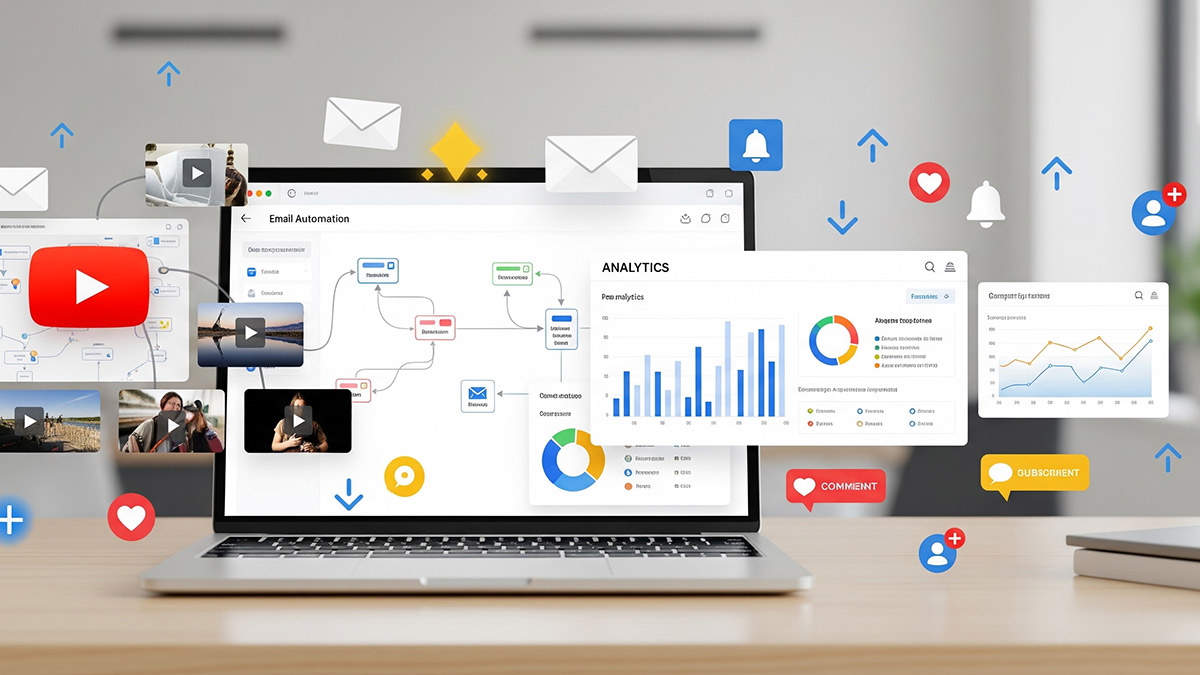
Introduction
In the modern digital landscape, businesses are constantly seeking innovative ways to reach their audience, build relationships, and drive conversions. Two of the most powerful tools in digital marketing today are email automation and YouTube marketing. These strategies not only help brands engage with their audience but also provide measurable results that can significantly impact business growth. Platforms like ExamCollection offer valuable insights and resources for mastering these techniques. In this article, we will explore how email automation and YouTube marketing can transform your digital strategy and help you achieve long-term success.
The Power of Email Marketing Automation
Email marketing remains one of the most effective channels for communication and conversion. However, manually managing email campaigns can be time-consuming and inefficient. This is where marketing automation comes into play. Automation tools allow businesses to send personalized messages based on user behavior, preferences, and engagement patterns. This not only improves efficiency but also enhances the customer experience.
Benefits of Marketing Automation
Marketing automation provides several advantages, including increased productivity, improved targeting, and better customer retention. By automating repetitive tasks, businesses can focus on strategy and creativity. Additionally, automation enables marketers to segment their audience and deliver highly relevant content, which leads to higher open rates and conversions. It also provides valuable analytics that help optimize campaigns for better performance.
How to Master Email Automation
To master email automation, businesses need to understand their audience and create targeted campaigns. This involves setting up workflows, designing engaging email templates, and analyzing performance metrics. Tools like CRM systems and automation platforms can help streamline the process. Learning from expert guides and resources can significantly improve your skills and results.
The Rise of YouTube Marketing
YouTube has become one of the most influential platforms for digital marketing. With billions of users worldwide, it offers businesses an فرصة to reach a massive audience. Video content is highly engaging and can convey messages more effectively than text or images. As a result, many brands are investing in YouTube marketing to build their online presence and connect with their audience.
Key Strategies for YouTube Success
Successful YouTube marketing requires a well-planned strategy. This includes creating high-quality content, optimizing videos for search, and engaging with viewers. Consistency is also crucial, as regular uploads help build a loyal audience. Additionally, using analytics tools can help track performance and identify areas for improvement.
Explore more: https://www.examcollection.com/blog/master-youtube-marketing-with-these-10-powerful-steps/
Combining Email and YouTube Marketing
Integrating email automation with YouTube marketing can create a powerful synergy. For example, businesses can use email campaigns to promote new videos, share exclusive content, and drive traffic to their YouTube channel. Similarly, YouTube videos can encourage viewers to subscribe to email lists, creating a continuous cycle of engagement. This integrated approach can significantly enhance marketing effectiveness.
The Role of Data and Analytics
Data plays a crucial role in both email and YouTube marketing. By analyzing user behavior and engagement metrics, businesses can make informed decisions and optimize their strategies. Metrics such as open rates, click-through rates, watch time, and subscriber growth provide valuable insights into campaign performance. Using these insights, marketers can refine their approach and achieve better results.
Challenges and How to Overcome Them
While email automation and YouTube marketing offer numerous benefits, they also come with challenges. These include content creation, audience engagement, and staying updated with changing algorithms. To overcome these challenges, businesses need to invest in continuous learning and adapt to new trends. Leveraging reliable resources and expert guidance can make a significant difference.
Future Trends in Digital Marketing
The future of digital marketing is likely to be shaped by advancements in artificial intelligence, personalization, and interactive content. Automation tools will become more sophisticated, enabling even more personalized experiences. Video content will continue to dominate, with platforms like YouTube playing a central role in marketing strategies. Businesses that stay ahead of these trends will have a competitive advantage.
FAQ
1. What is email marketing automation?
Email marketing automation involves using software to send targeted and personalized emails based on user behavior and preferences.
2. Why is YouTube important for marketing?
YouTube provides a platform to reach a large audience and engage users through video content.
3. Can small businesses benefit from these strategies?
Yes, both email automation and YouTube marketing are highly scalable and suitable for businesses of all sizes.
4. How can I improve my email open rates?
By creating compelling subject lines, segmenting your audience, and delivering relevant content.
5. What tools are used for YouTube marketing?
Tools like video editing software, analytics platforms, and SEO tools are commonly used.
Conclusion
Digital marketing is evolving rapidly, and businesses must adapt to stay competitive. Email automation and YouTube marketing are two powerful strategies that can drive significant growth when implemented effectively. Email automation allows businesses to deliver personalized and timely messages, improving customer engagement and retention. On the other hand, YouTube marketing provides a platform to connect with a vast audience through engaging video content. By combining these strategies, businesses can create a comprehensive marketing approach that maximizes reach and impact. Platforms like ExamCollection offer valuable resources that help marketers understand and implement these techniques effectively. The integration of data and analytics further enhances the effectiveness of these strategies, enabling businesses to make informed decisions and optimize their campaigns. However, success in digital marketing requires continuous learning, creativity, and adaptability. As technology continues to advance, new opportunities and challenges will emerge. Businesses that stay updated with the latest trends and leverage the right tools will be well-positioned for success. Ultimately, mastering email automation and YouTube marketing can lead to increased brand visibility, higher engagement, and improved conversion rates. By investing time and effort into these strategies, businesses can achieve sustainable growth and long-term success in the competitive digital landscape.






