MAM
GroupM cos Maxus & MEC merged into new global network, digital-first media services expanded

MUMBAI: GroupM, the world’s leading media investment group, has announced a portfolio restructure to improve service and delivery to clients.
GroupM is committing to the expansion of Essence, its digital-first agency, by adding traditional media capabilities and a larger geographic footprint to the agency’s existing media and creative credentials. In time, Essence will also lead several key GroupM client relationships as part of this restructure.
GroupM is also merging the global operations and teams of its agencies MEC and Maxus into a new, billion dollar revenue, media, content and technology agency under the leadership of MEC’s CEO Tim Castree.

Maxus will continue to operate as an agency brand in India with the support of the newly formed global agency as well as the GroupM network.
GroupM’s portfolio will now comprise three successful global media agency networks — Mindshare, MediaCom, and the new company – each with more than one billion dollars in annual revenues, plus an innovative digital-first agency, Essence. GroupM also plans new investments across all of its agencies and its [m]PLATFORM data and technology capabilities.
“We’re committed to improving our service to clients. These moves will give us greater focus, help us innovate, and improve our speed of delivery,” said Kelly Clark, Global CEO, GroupM.
Since Clark became global CEO in October 2016, GroupM has made a number of organizational changes. Clark recently appointed Lindsay Pattison as GroupM’s Chief Transformation Officer to lead a range of transformation initiatives. GroupM acquired Essence in November 2015.
“The leadership team at Essence is excited about the opportunities this creates for our clients and our people,” said Christian Juhl, CEO, Essence. “Our mission is to make advertising more valuable to the world; with this infusion of talent, capabilities and markets, we can do this now on a bigger stage.” Clark named Castree CEO of MEC in November 2016.
“Maxus and MEC share common values and ambitions. Both networks have a strong local market presence and entrepreneurial drive. Together, we believe we can create an exciting new media, content and technology agency which we look forward to introducing soon,” said Castree.
“We’ve clearly signaled our ambition to transform, and we mean business,” said Pattison. “This allows us to more meaningfully invest in each agency’s future – retaining and attracting the best talent with inspiring and rewarding workplaces, creating differentiated cultures and approaches, and sharing in a focus on helping clients win.”







MAM
De Beers launches ‘A Diamond Is Forever’ centenary book
Visual retrospective traces 100 years of iconic slogan and cultural impact.
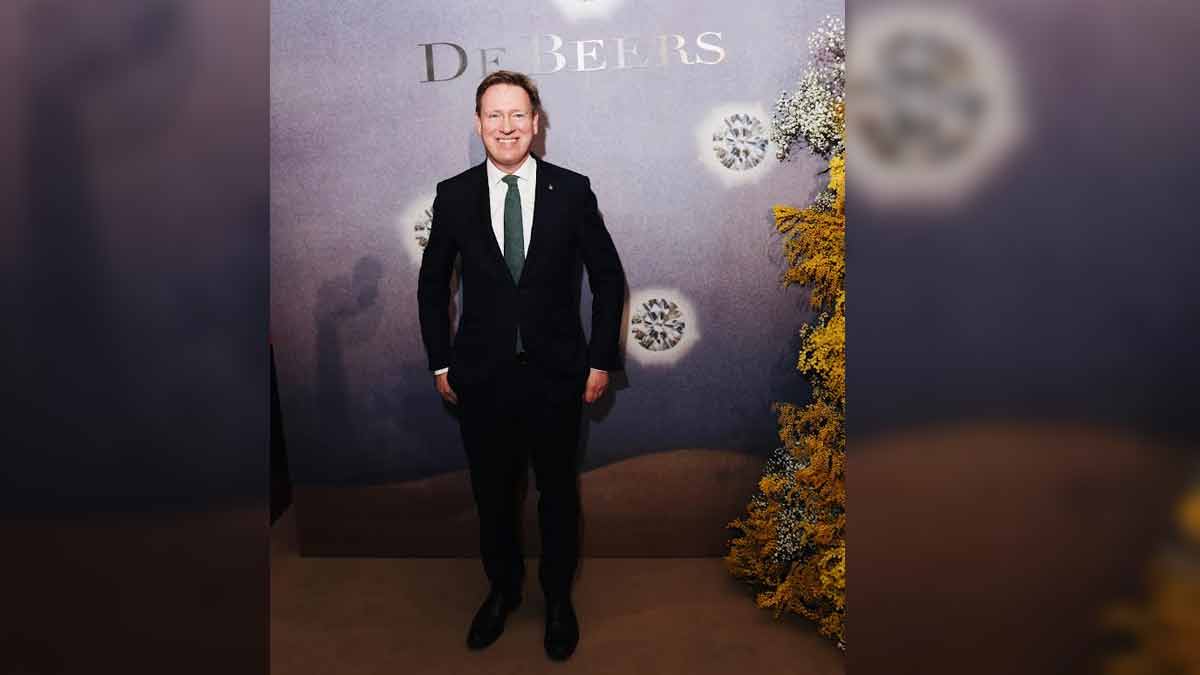
MUMBAI: De Beers just dropped a century’s worth of sparkle between two covers because when a four-word line becomes forever, even the book needs a forever title. De Beers Group has released A Diamond Is Forever: The Making of a Cultural Icon 1926–2026, a landmark visual retrospective celebrating 100 years of shaping the modern perception of natural diamonds. The book traces how the brand transformed diamonds from elite heirlooms into universal symbols of love, commitment and personal achievement, with rare archival material, campaign highlights and cultural commentary.
At its core is the legendary 1947 slogan “A Diamond Is Forever,” penned by N.W. Ayer copywriter Frances Gerety. The four words redefined diamonds as eternal promises, earning the title of the 20th century’s greatest advertising slogan from Advertising Age in 1999. The book explores how this idea and others like the “Two Months’ Salary” guideline and the “Right Hand Ring” influenced social rituals, female independence and consumer behaviour worldwide, including in India, where diamonds shifted from gold-centric traditions to emotionally resonant milestones.
Beyond marketing, it showcases collaborations with artists like Pablo Picasso, Salvador Dalí and Raoul Dufy, alongside icons such as Marilyn Monroe and Elizabeth Taylor. Later campaigns, including the 1990s “Shadows” series set to Karl Jenkins’ Palladio, reinforced diamonds as timeless and unique. The narrative also addresses today’s focus on provenance, sustainability and ethical stewardship, positioning natural diamonds as symbols of both enduring love and responsible luxury.
The book arrives as De Beers marks a century of innovation in luxury marketing, from the Great Depression to the era of conscious consumption, offering a rare window into one of advertising’s most enduring brand stories.
In a world where trends fade fast, De Beers didn’t just sell diamonds, it sold forever, and now it’s bound the proof in pages that will outlast even the hardest carat.