MAM
Ground Zero Consulting unveils new brand identity


Mumbai: In a strategic move to promote Sustainability Communications, Ground Zero Consulting is excited to announce a significant transformation after being originally established in 2021 as a data research agency. The company has now dedicated itself to address the global challenges arising from the adverse effects of rampant Climate Change, thereby emerging as India’s first pure-play Climate-focussed and Sustainability Communications agency in this critical space.
Headquartered in New Delhi, Ground Zero Consulting aspires to redefine the landscape of climate and sustainability communications. The agency will advocate pro-environment and sustainable business practices among a diverse set of clienteles, including private and public stakeholders that also comprise governmental entities.
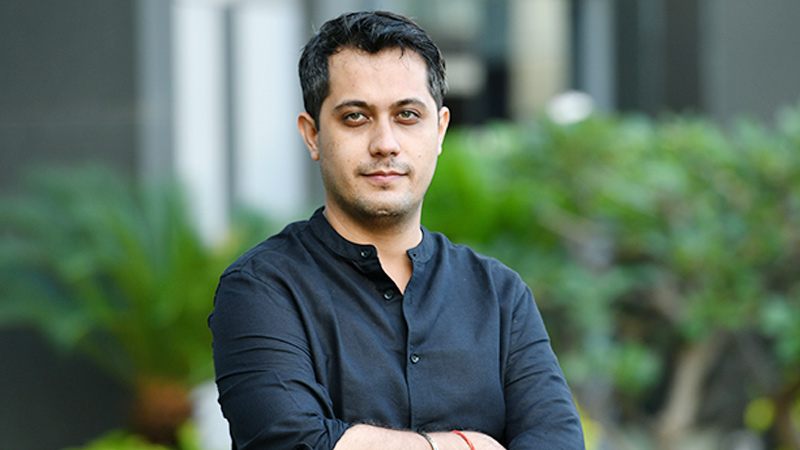
Ground Zero Consulting founder & managing editor Rahul Tekwani commented on the evolution, stating, “As a firm, we observed a growing awareness towards Climate Change when undertaking various research projects for both government and corporate sectors. It became evident that the issue is being taken seriously at both governmental and corporate levels. Over the past 12-15 months, we have diligently worked towards this transformation, witnessing the unfolding dynamics of Climate Change both domestically and globally.”

“We further anticipate a significant shift towards sustainability across various industries. There is a need to emphasize and raise widespread awareness at all levels, in addition to substantial investments by the Government in initiatives like Mission LiFE as part of the Net Zero vision. This underscores the need for a comprehensive approach in addressing climate-related challenges,” Tekwani added.
Ground Zero Consulting’s new suite of services includes Communication Strategy development, Sustainability Audits, Sustainable Branding, Global Outreach Programs, Memberships, Collaborations with associations and industry bodies, and Research and Content Creation. The agency is particularly excited about its global outreach initiative, bringing experienced communicators from developed markets in Climate Change to India. The firm’s plans to collaborate with various academia and universities are also underway.
Ground Zero Consulting will continue its operations from existing offices in New Delhi and Mumbai as the firm gears-up to make fresh announcements regarding its leadership team in the near-term. This strategic move positions Ground Zero Consulting at the forefront of the Climate and Sustainability Communications landscape, reflecting a commitment to a greener and more sustainable future.




MAM
WPP appoints Estée Lauder’s Anne-Isabelle Choueiri as chief transformation officer
Former Estée Lauder executive to lead operations, technology and culture overhaul under WPP’s three-year growth plan

LONDON: WPP has appointed Anne-Isabelle Choueiri as chief transformation officer in a newly created role tasked with delivering the group’s Elevate28 strategy.
Choueiri joins from The Estée Lauder Companies, where she led enterprise-wide strategic initiatives, including the “One ELC” operating model and major upgrades to enterprise marketing, data and analytics capabilities. She also led the redesign of enterprise technology teams and served on the company’s AI taskforce, driving AI strategy, adoption and value realisation across the business.
At WPP, she will be responsible for designing, implementing and embedding the operating model behind Elevate28, the company’s three-year growth plan unveiled in February 2026. She will lead efforts to improve innovation, efficiency and integration across WPP’s client offerings, with a focus on delivering agile, outcome-driven solutions and measurable growth.
Choueiri will oversee organisational transformation across the group, working closely with product and enterprise technology teams to deploy AI, data and technology to build new capabilities and improve operational performance. She will also work with the people function to embed cultural change, strengthen an agile performance mindset and support talent development across the organisation.
Before joining Estée Lauder, she held senior roles across consulting and digital agencies, including at Accenture, Masaï (a Bain & Company spin-off), and Kearney, with experience spanning strategy, data and digital marketing transformation.
Cindy Rose, chief executive officer of WPP, said Choueiri brings a strong track record of leading large-scale transformation across operations, technology and culture, adding that her appointment will help accelerate the group’s next phase of growth under Elevate28.
Choueiri said WPP’s strategy represents an ambitious opportunity to reshape how the company operates and delivers for clients, adding that she looks forward to building integrated solutions and fostering a culture of innovation and change.
She will be based in New York and will join WPP’s executive committee.







