MAM
Godrej Yummiez & IRCTC bring Yummiez Millet Patty to passenger trains

Mumbai: As 2023 is being celebrated as the International Year of Millets, Godrej Yummiez, a leading brand of frozen ready-to-cook products from Godrej Tyson Foods Ltd (GTFL), and Indian Railway Catering and Tourism Corporation (IRCTC), collaborated to bring millet patty in passenger trains. Introduced earlier this year, Godrej Yummiez Millet Patty received an overwhelming response from households who appreciated the nutritious and tasty patty variant made from millets like Jowar (Sorgum) and Bajra (Pearl Millet). Taking the success ahead, through the collaboration between Godrej Yummiez and IRCTC, the millet patty is now served during breakfast on Rajdhani and August Kranti trains enroute Mumbai – Delhi – Mumbai.
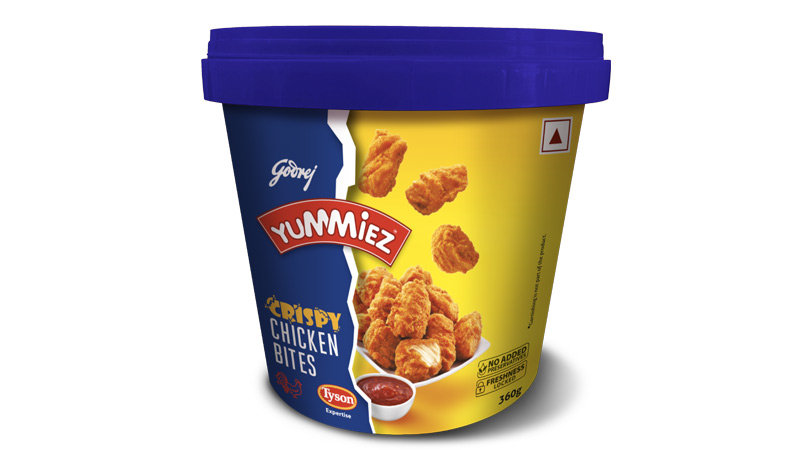
Godrej Yummiez developed the millet patty as an innovative snack option. The snack is made using individual quick freeze (IQF) technology to help keep it fresh with no preservatives. With high fiber content and vitamins of millet blended with a flavorful mix of herbs and spices, these patties are sure to make snacking tasty as well as nutritious.
Rajdhani and August Kranti trains stand as iconic legacies within the Indian railway network, celebrated for their exceptional service and remarkable food offerings. The partnership between Godrej Yummiez and IRCTC holds the intent to elevate the adoption of millets, promoting their significance even in the most massive railways network. This pioneering collaboration is already underway as a pilot program on Mumbai – Delhi – Mumbai routes of Rajdhani and August Kranti trains. This initiative caters to thousands of passengers traveling between Maharashtra, Gujarat, Rajasthan, and Delhi.

Godrej Tyson Foods Ltd CEO Abhay Parnerkar said, “Till recently, the adoption of millets was low due to the perception that they are not tasty and are not easy to cook. This has changed drastically and now every household is embracing the goodness of millets. We supported this adoption by bringing together the nutrition of millets in a ready-to-cook convenient format and launching them in a mass-accepted ‘patty’ variant. Godrej Yummiez Millet Patty is a preservative-free snack that symbolizes our commitment to innovation, nutrition, and convenience.”
He further added, “We are extremely pleased to further extend the delectable Godrej Yummiez millet patty to passengers aboard the Rajdhani and August Kranti trains. IRCTC is the most prestigious entity having one of the biggest catering operations in trains across the country. Our exclusive partnership with IRCTC combines their extensive reach and expertise in railway catering with Godrej Yummiez’ s culinary excellence, resulting in an exceptional food experience of millets.”
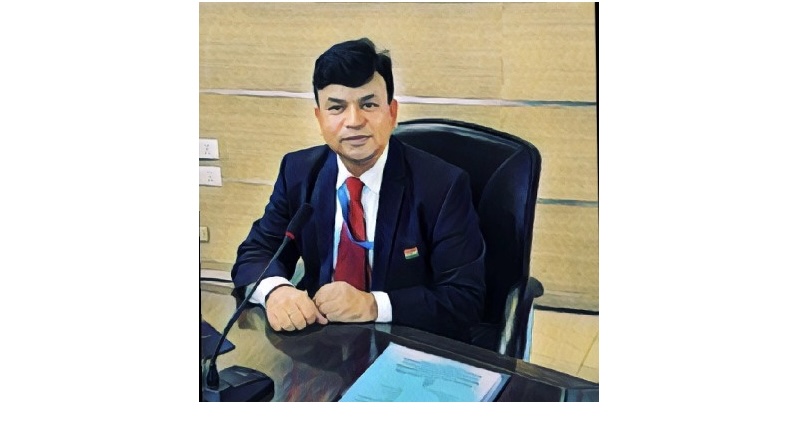
Indian Railway Catering and Tourism Corporation (Western Zone) group general manager Rahul Himalian said, “Being the International Year of Millets, we are constantly evaluating ways to add millets to our food menu merging both nutrition and taste. At IRCTC, we always pledge to provide passengers with quality and tasty food spread. Godrej Yummiez Millet patty on Rajdhani and August Kranti trains taken onboard on a pilot basis reinforces IRCTC’s dedication to offer passengers interesting and delectable millet-based food options. We are proud to introduce this product as a pilot as it supports the vision of mainstreaming millets through IRCTC’s catering operations across the massive Indian railways’ network. We tried and tested the product before serving it to our passengers. We are anticipating positive acceptance of Godrej Yummiez Millet Patty which is a perfect snack that is nutritious and convenient ready-to-cook item.”
Chef Varun Inamdar said, “Millets have always been seen as a bland grain, but that’s starting to change. Even though millets are often overlooked, they are incredibly nutritious and versatile grains that everyone should consume. Millets are a good source of iron, magnesium, phosphorus, and zinc. In the past, people may have found cooking millets more cumbersome. But now, there are various convenient ways to cook and consume the super-grain. From millet-based porridge to millet salads, and even baked goods, there are now different ways to enjoy millet which is tasty yet nutritious. One can now even consume millet in the form of patties with Godrej Yummiez Millet Patty. It is a great way to get your daily dose of millets. Moreover, it’s easy, affordable and convenient to store as well.”
Today, the Godrej Yummiez portfolio consists of more than 50 veg and non-veg products. Godrej Yummiez Millet Patty is available in supermarkets and leading e-commerce retail outlets across India at Rs. 180 in packs of 370 grams. Yummiez Millet Patty is made from excellent quality ingredients and is ready to cook. It can be deep-fried, air-fried or shallow-fried and served hot.

MAM
Ameya Velankar steps down as Uber’s head of marketing for India & South Asia
Veteran marketer exits after more than seven years with the ride-hailing giant.
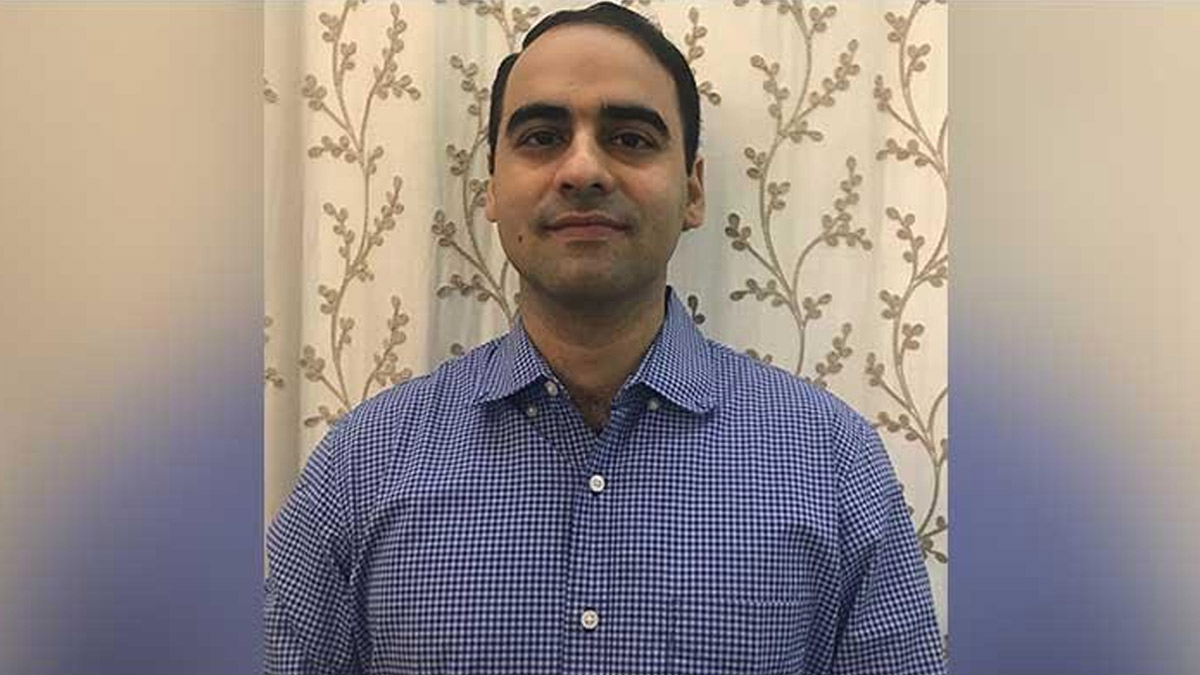
MUMBAI: After more than seven years of steering Uber through the bumpy roads of India’s mobility market, Ameya Velankar has decided to change lanes. Ameya Velankar has stepped down as Head of Marketing for India and South Asia, marking the end of a significant chapter at the ride-hailing company. He had been with Uber since 2019, taking on multiple roles in product and category marketing before rising to lead the marketing function for the region in 2021.
During his tenure, Velankar played a key role in strengthening Uber’s positioning in one of its most competitive and dynamic markets. He helped drive localised marketing strategies and scale adoption across key offerings such as Auto, Moto, Rentals and Intercity, tailoring global platforms to Indian consumer needs.
Prior to joining Uber, Velankar built his marketing expertise at leading consumer companies including SC Johnson and Marico, where he handled category and product leadership roles. His career began at RPG Enterprises.
Details of his next professional move have not been disclosed.
In a fast-evolving mobility landscape where brands constantly battle for attention, Ameya Velankar helped Uber stay relevant and resonant with millions of Indian users. As he moves on from the driver’s seat of marketing, the company will now look for fresh ideas to keep its wheels turning smoothly.






