Brands
Godrej backs Indian handlooms with washing machine technology

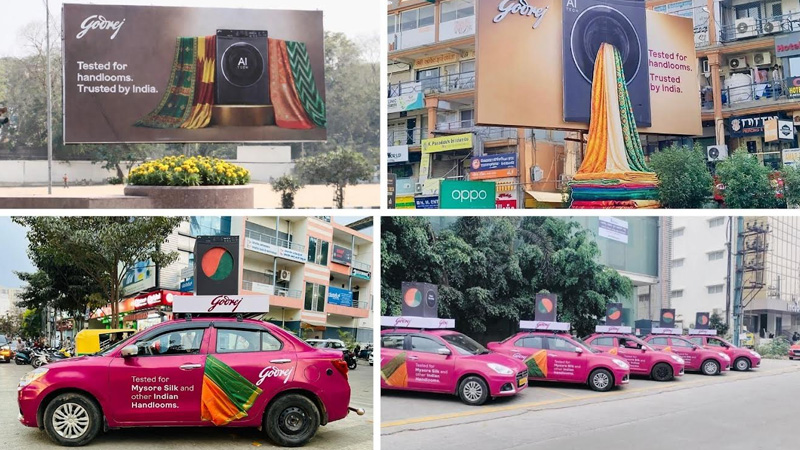
MUMBAI: This Republic Day, Godrej brought modern washing technology to the care of Indian handlooms.
The appliances business of Godrej Enterprises Group rolled out its ‘Tested for Handlooms’ initiative, blending AI-powered laundry technology with centuries-old textile traditions. The idea was simple yet quietly radical: make caring for handloom fabrics easy enough for everyday life, so they could be worn more often, not saved for special occasions.
India’s handloom story stretches across states and centuries. From Kerala’s Kasavu and Assam’s Muga silk to Paithani, Bandhani and Pochampally ikat, these fabrics are cultural heirlooms, some even recognised by Unesco. Yet many remained trapped in wardrobes, sidelined by the fear of damage and the hassle of dry cleaning.

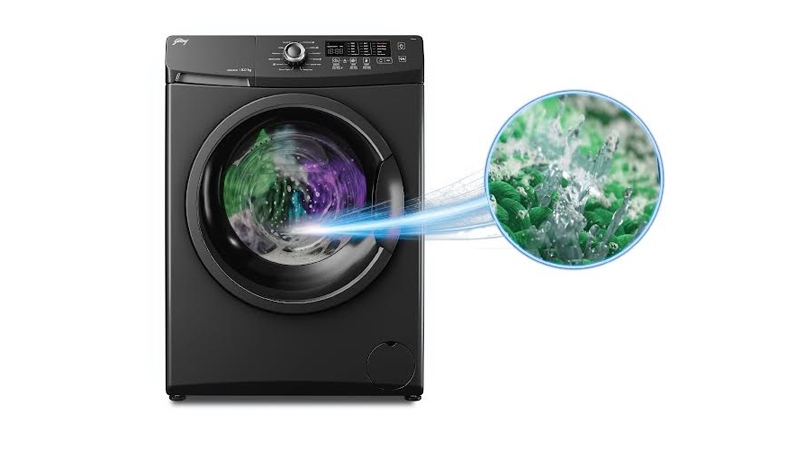
Godrej set out to change that perception. Its advanced front-load washing machines were tested on 25 handloom fabrics from across the country, including Banarasi silk, Patola, Jamdani and ikat. Using a gentle wash programme, the machines successfully cleaned each fabric for up to 25 washes, with performance assessed not only visually but also under 40x microscopic magnification to check fibre strength and wear.
In short, the machines passed the handloom test.
Godrej Enterprises Group business head of the appliances division Kamal Nandi, said the initiative sat at the intersection of heritage and progress. When technology respected tradition, he noted, it became easier to preserve what mattered while moving forward.
Head of marketing for the appliances business Swati Rathi, added that the campaign reflected Godrej’s long-standing focus on solutions designed for Indian homes and habits. By removing the anxiety around maintenance, the brand aimed to help consumers feel confident wearing handlooms more frequently.
The message was carried beyond showrooms through a striking multi-city outdoor campaign. One installation featured oversized handloom fabrics flowing out of a front-load washing machine, turning a familiar appliance into a cultural canvas. Branded cabs with local handloom textiles peeking out of their doors added a tactile, street-level touch.
Actress Dia Mirza, known for her advocacy of conscious and sustainable living, fronted the social media outreach. A digital film, influencer storytelling and in-store displays completed the mix, creating a campaign that felt as much about pride as it did about products.
In a market obsessed with the new, Godrej’s bet was refreshingly old-fashioned: take something timeless, treat it with care and give it a reason to be part of everyday life again.





Brands
MS Dhoni joins Cars24’s Crashfree India as Goodwill Ambassador
Cricketing legend lends his voice to the fight against road fatalities in India.
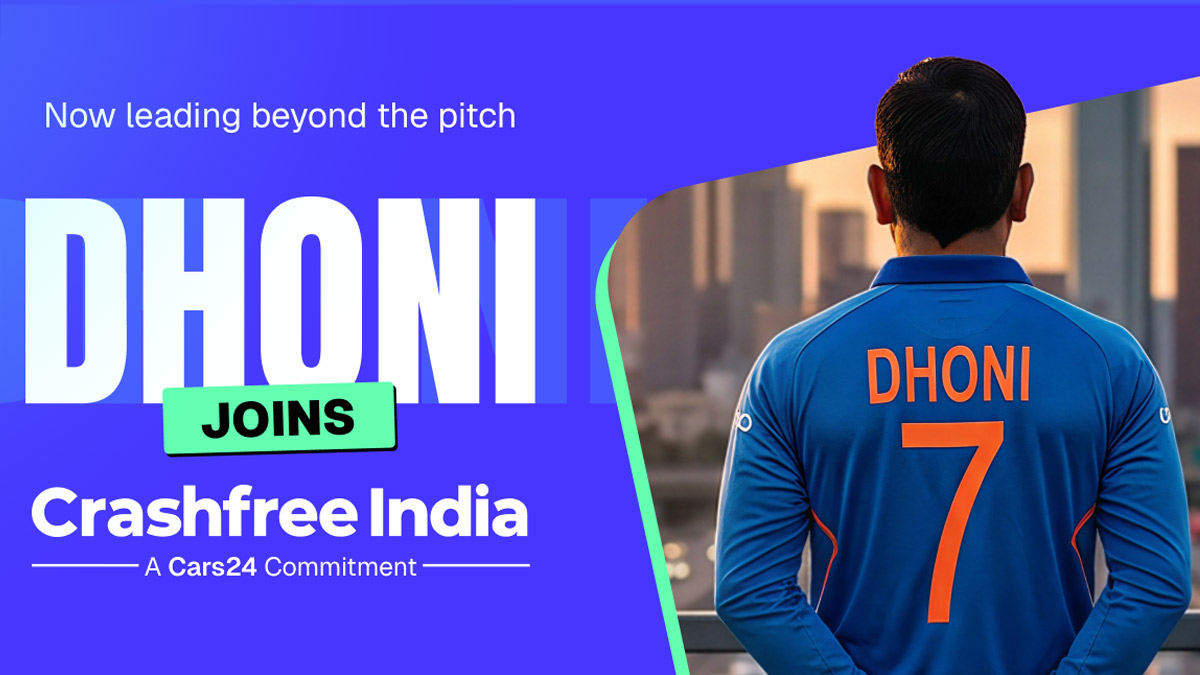
MUMBAI: MS Dhoni has traded his cricket whites for a new kind of captaincy, one that aims to save lives on India’s roads. The former India captain has been appointed Goodwill Ambassador for Crashfree India, Cars24’s national road safety initiative. The move brings one of the country’s most trusted and disciplined public figures to a cause that desperately needs both credibility and urgency.
India continues to record the highest number of traffic fatalities globally. In 2024 alone, 1,80,000 people lost their lives on Indian roads, one every three minutes. The country has roughly 1% of the world’s vehicles but accounts for 11 per cent of global road deaths. Shockingly, 66 per cent of those killed were between 18 and 34 years old, the most productive age group, and nearly 10,000 were school students. Seven in ten fatalities were linked to overspeeding.
Dhoni, known for his calm judgment under pressure, did not mince words when speaking about the issue. “A vehicle gives you freedom, but it also gives you responsibility,” he said. “On our roads, too many people still see safety as a rule to follow only when someone is watching. That mindset has cost us far too much.”
He added: “We already know what is going wrong. We know how many lives are being lost. What we need now is not more excuses. We need more responsibility, more discipline, and more respect for life.”
For Cars24, the association goes beyond a celebrity endorsement. Founder and CEO Vikram Chopra described Dhoni’s involvement as a game-changer: “His understanding of Indian roads is grounded in lived experience. He holds us to a higher standard and his involvement challenges us to push this mission further.”
Crashfree India aims to shift the national conversation on road safety from reaction to prevention, from accepting deaths as routine to treating them as the urgent failure they are. With Dhoni on board, the initiative gains a powerful, trusted voice that transcends statistics and connects directly with millions of Indians.
In a country where dangerous driving is too often mistaken for confidence, Dhoni’s message is refreshingly clear: true strength lies in control, discipline, and respect for life. When one of India’s most respected captains decides to lead this fight, the conversation suddenly becomes much harder to ignore.
The roads just got a new captain. And this time, the goal is not to win a trophy but to save lives.







