MAM
Go natural!


NEW DELHI: Veet, one of the leaders in depilatory products, has recently launched a new “Naturals” hair removal cream range. Enriched with 100 per cent natural extracts and formulated with mild and refreshing, nature-inspired fragrances, the new product is a premium and naturally enhanced solution for getting smooth and glowing skin.
The range will be available in two variants – with papaya extracts for normal-dry skin and with camellia seed oil extracts for sensitive skin. And considering India to be an important market, the range has been first launched in India, before an international roll-out across countries.
A 360-degree marketing campaign to promote the new range has been launched led with a new TVC starring the brand ambassador of Veet and Bollywood’s reigning actress – Katrina Kaif. In line with the premium beauty codes owned by Veet, the commercial reaches out to savvy women looking for a naturally enhanced hair removal experience.

The TVC challenges the realms of possibilities by transporting her into an imaginary world of dreams, where nature magically surrounds her and grants her the goodness of its special ingredients, making her skin smooth and glowing, gently.
Talking about the new range, RB India managing director Akhil Chandra said, “Innovation forms the core of our DNA and being the market leader, we believe it is our responsibility to deliver better solutions to our customers. Our new Veet Naturals range combines Veet’s expertise at hair removal with the goodness of 100 per cent natural extracts, leaving skin smooth and glowing. Plus, this breakthrough innovation is infused with refreshing, nature-inspired fragrances and formulated with a superior technology that ensures a pleasant hair removal experience like never before. We have a robust 360 degree marketing campaign panning across print, digital, and TV, led by our new TVC starring our brand ambassador, Katrina Kaif.”
The new range is available in two pack sizes of 25gms and 60 gms, priced at Rs 60 and Rs 100 respectively.







MAM
Ameya Velankar steps down as Uber’s head of marketing for India & South Asia
Veteran marketer exits after more than seven years with the ride-hailing giant.
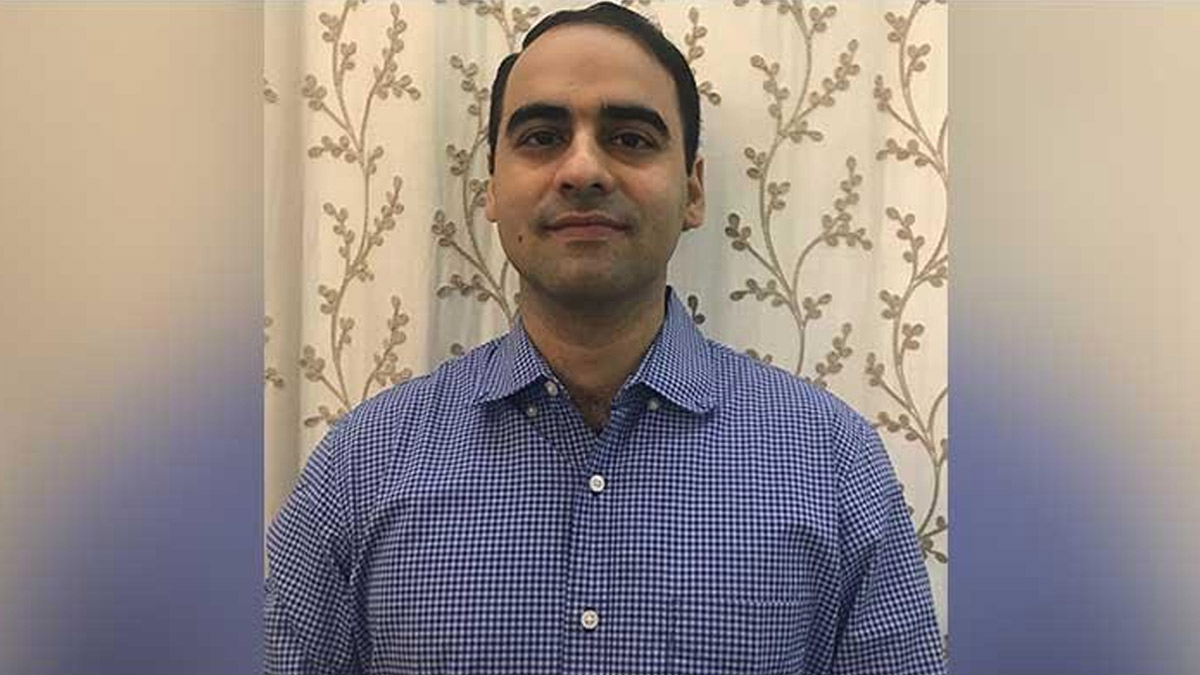
MUMBAI: After more than seven years of steering Uber through the bumpy roads of India’s mobility market, Ameya Velankar has decided to change lanes. Ameya Velankar has stepped down as Head of Marketing for India and South Asia, marking the end of a significant chapter at the ride-hailing company. He had been with Uber since 2019, taking on multiple roles in product and category marketing before rising to lead the marketing function for the region in 2021.
During his tenure, Velankar played a key role in strengthening Uber’s positioning in one of its most competitive and dynamic markets. He helped drive localised marketing strategies and scale adoption across key offerings such as Auto, Moto, Rentals and Intercity, tailoring global platforms to Indian consumer needs.
Prior to joining Uber, Velankar built his marketing expertise at leading consumer companies including SC Johnson and Marico, where he handled category and product leadership roles. His career began at RPG Enterprises.
Details of his next professional move have not been disclosed.
In a fast-evolving mobility landscape where brands constantly battle for attention, Ameya Velankar helped Uber stay relevant and resonant with millions of Indian users. As he moves on from the driver’s seat of marketing, the company will now look for fresh ideas to keep its wheels turning smoothly.






