MAM
Global ad market to dip 7% this year; India impact lower: IPG Magna


NEW DELHI: After battling the worst impact of global lockdown ensued by Covid2019 in the current year, the global economy will embrace a positive future in 2021 fuelling the marketing budgets and advertising spending, predicts the recently released IPG Magna forecast. MAGNA predicts global ad spend to grow by 6.1 per cent to $573 billion, $9 billion smaller than its pre-Covid2019 level. EMEA region is expected to grow by 7.1 per cent, APAC by 8.1 per cent, LATAM by 6.7 per cent, and NA by 4.0 per cent.
MAGNA EVP global market intelligence and author of the report Vincent Létang said, “Beyond the short-term V-shaped recession/recovery impact on the economy and the advertising market, the Covid2019 crisis will have global and long-term effects on society, business models, consumption habits, mobility and media usage, all factors pointing to a more subdued economic growth and advertising spend than previously forecast for the 2022-2024 period. MAGNA thus reduces its global advertising growth forecast for these three years, from +4.5 per cent per year to +3.5 per cent per year. The global ad market will reach $647 billion by 2021 compared to $745 billion in our previous long-term scenario, a 14 per cent decrease.”
As per the forecast, Covid2019 is going to have a sizeable impact on the global advertising market, dipping the ad revenues by seven per cent in 2020. While, EMEA and Latin America will be experiencing the worst downturn, with total advertising revenues down by 10 per cent, among the worst downturns predicted by MAGNA in 2020 Japan and Spain (both -14 per cent), France (-13 per cent) and Italy (-15 per cent). India (+2 per cent), China (-6 per cent) and the US market (-4 per cent) will be less dramatically affected, it highlighted.

“Media owners’ advertising revenues will decrease by $42 billion in 2020, from $582 billion to $540 billion, as advertising spending shrinks due to the severe economic recession triggered by the Covid2019 pandemic, as GDP is expected to contract between -5 per cent and -12 per cent across the world’s largest markets. Global advertising revenues will decrease by an estimated -7 per cent, as the heavy, double-digit decline of linear ad sales (linear TV, print, linear radio, OOH, cinema), -16 per cent to $238 billion, will be mitigated by the stability of digital formats: +1% to $302 billion,” read the forecast.
Digital formats advertising sales are expected to be flat, recording just a per cent hike, touching $302 billion as a second-half recovery will offset the first-half decline.
Digital formats benefit from increased digital media usage during the lockdown, an acceleration of e-commerce that will likely outlive the lockdown, and a boost to lower-funnel marketing tools that is classic in recession times.
“Search will remain the largest digital advertising formats ($142 billion) but global sales will stagnate (-1 per cent). Social media and digital ad formats will slow down from previous years but still grow single-digit this year (both +8 per cent) while the revenues of static banner ads will fall by -11 per cent as the Covid2019 crisis adds to the increasing restrictions on data-based targeting,” highlights the forecast.


MAM
Ameya Velankar steps down as Uber’s head of marketing for India & South Asia
Veteran marketer exits after more than seven years with the ride-hailing giant.
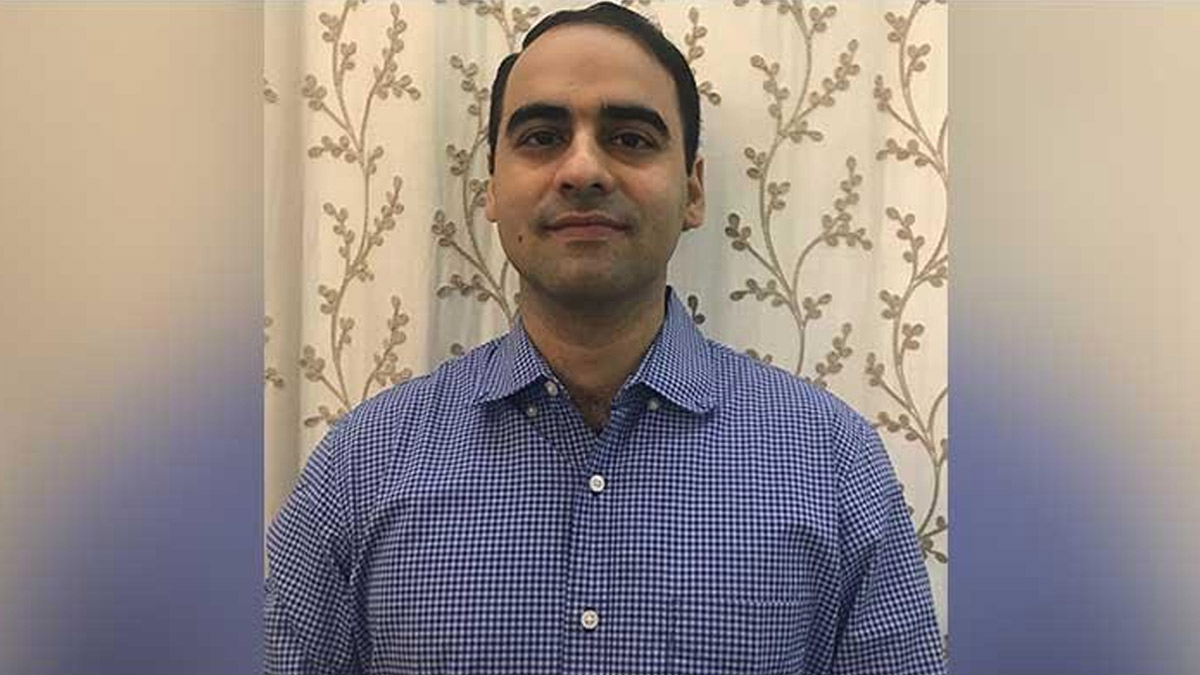
MUMBAI: After more than seven years of steering Uber through the bumpy roads of India’s mobility market, Ameya Velankar has decided to change lanes. Ameya Velankar has stepped down as Head of Marketing for India and South Asia, marking the end of a significant chapter at the ride-hailing company. He had been with Uber since 2019, taking on multiple roles in product and category marketing before rising to lead the marketing function for the region in 2021.
During his tenure, Velankar played a key role in strengthening Uber’s positioning in one of its most competitive and dynamic markets. He helped drive localised marketing strategies and scale adoption across key offerings such as Auto, Moto, Rentals and Intercity, tailoring global platforms to Indian consumer needs.
Prior to joining Uber, Velankar built his marketing expertise at leading consumer companies including SC Johnson and Marico, where he handled category and product leadership roles. His career began at RPG Enterprises.
Details of his next professional move have not been disclosed.
In a fast-evolving mobility landscape where brands constantly battle for attention, Ameya Velankar helped Uber stay relevant and resonant with millions of Indian users. As he moves on from the driver’s seat of marketing, the company will now look for fresh ideas to keep its wheels turning smoothly.






