MAM
Generation gap & parenting dilemmas uncovered: The Big Small Talk EP4 live


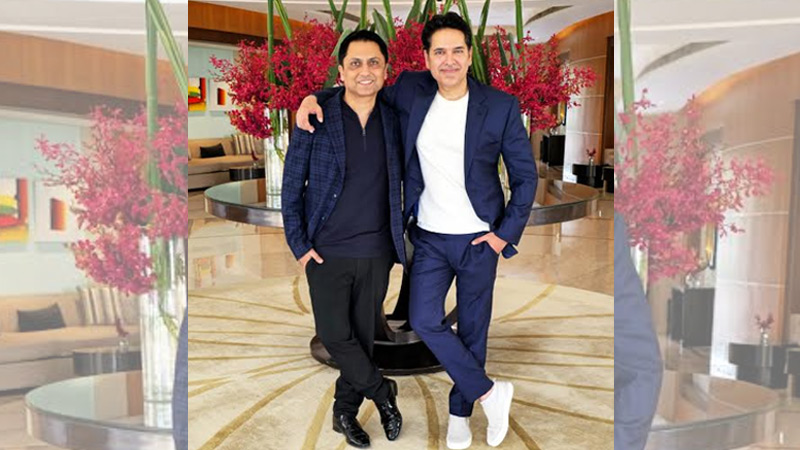
Mumbai: After the resounding acclaim received for their thought-provoking discussions in previous episodes, The Big Small Talk is thrilled to unveil its fourth installment, delving into the complexities of inter-generational gaps and the challenges of modern parenting. Anuj Sawhney, renowned for his transition from Bollywood to the helm of Swiss Military Worldwide, reunites with his long-time friend Manav Subodh, the visionary founder of 1M1B – One Million for One Billion. Together, they embark on a journey to unravel the nuances of contemporary family dynamics, promising yet another enlightening dialogue for their dedicated audience.
Generation gaps and parenting dilemmas

In this episode, Anuj and Manav engage in a profound exploration of the dynamics underlying generational gaps and the intricate challenges of modern-day parenting. They delve into the notion that parents often inadvertently widen the divide between themselves and their children by imposing their expectations, thus creating a palpable distance. The discussion also highlights the contradictory nature of parenting, where parents may inadvertently confuse their children by oscillating between advocating for independence and questioning their choices. The concept of the “Sandwich Generation” is introduced, shedding light on the struggles faced by millennials caught between two conflicting sets of values.
Few highlight discussions:
1 Parents are the gap creators: We create the distance within generations by actioning expectations from our children.
2 Contradicting parenting: Confusing the child by contradicting your parenting conversations by telling the kids to manage their life and then cross-questioning the very practicality of the choices made by them!
3 ‘Sandwich generations’: aka Millennials who are stuck in between the two value systems!
4 Childhood wounds and parenting: Wounded as parents in the past and those wounds interfere in our parenting decisions.
5 Gender biases in parenting that is a very sad yet unsaid truth within the Indian society that is extremely hushed reality.
6 Parental aggression and the effects they have on kids – sensitising yourself as a parent to their emotions and aligning your parenting accordingly.
The guests on this show:
1 Dilip Ramchandran – creative head & a professional drummer
2 Dr. Arun Thareja – ENT & endoscopic surgeon & superbiker
3 Aunja Pandey – influencer, social media strategist & poet
4 Rashida Cutlerywala – social influencer & event organiser
5 Diva Utkarsha – young achiever & social activist
Anuj Sawhney remarked, “Parenting isn’t just about nurturing; it’s about understanding the generational dynamics we inadvertently create. Our discussion on ‘Parents as Gap Creators’ sheds light on this crucial aspect of family dynamics, urging us to reflect on how our actions shape the relationships within our families and across generations since time immemorial.”
Manav Subodh emphasised that, “Gender biases in parenting are a harsh reality that often goes unspoken. It’s time to confront this issue and create a more equitable environment for our children to thrive, fostering an atmosphere of inclusivity and respect within our homes and communities.”
Listeners can anticipate insightful contributions from our special guests, Dr Arun Thareja & Dilip Ramachandran, who share their personal experiences navigating these complexities of the generational gap.
Dr Arun Thareja commented “Joining The Big Small Talk provided me with a platform to delve deeper into existing family dynamics, offering guidance on how we can navigate these challenges and cultivate stronger connections within our families. It’s crucial for us to recognize the unique experiences and perspectives of each generation, fostering an environment of mutual respect and understanding.”
Dilip Ramachandran shared his perspective, stating, “As a father and a musician, I’ve had the privilege of experiencing the intricate dynamics of generational differences within my own family. Through my journey, I’ve come to understand the importance of open communication and empathy in bridging these gaps.”

Brands
Adobe CEO Shantanu Narayen to step down after 18 years in role
Board begins CEO search as Narayen prepares to move to chair role
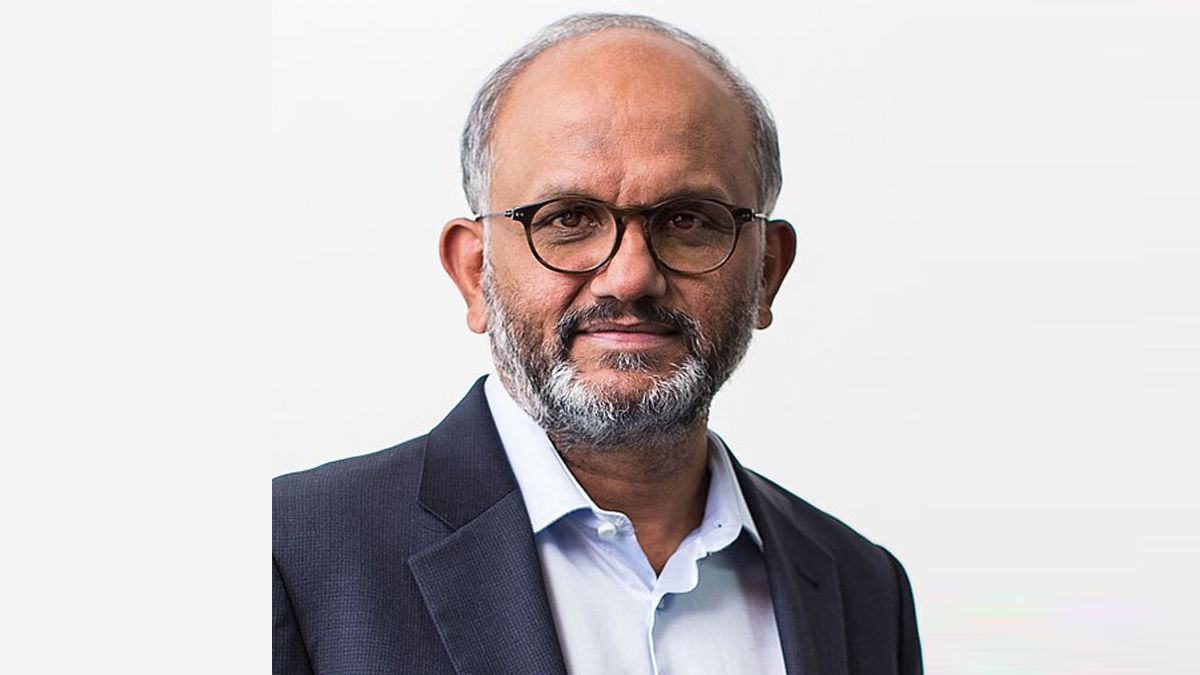
SAN JOSE: After nearly two decades at the helm, Adobe’s long-serving chief executive Shantanu Narayen is preparing to pass the baton.
The company announced that Narayen will transition from his role as chief executive officer once a successor is appointed, ending an 18-year run that reshaped Adobe from a boxed software seller into a global cloud and AI powerhouse. He will remain chair of the board following the leadership transition.
Adobe’s board has formed a special committee to oversee the succession process, led by lead independent director Frank Calderoni. The committee will evaluate both internal and external candidates.
“Shantanu’s leadership has been instrumental in Adobe’s transformation and in positioning the company for the AI-driven era,” Calderoni said in a statement. “As we begin the next phase of succession planning, our focus is on identifying the right leader for the company’s next chapter while ensuring a smooth transition.”
In a note to employees, Narayen described the moment not as a farewell but as a pause for reflection after a long journey with the company.
“I love Adobe and the privilege of leading it has been the greatest honour of my career,” he wrote, adding that he will continue to work closely with the board over the coming months to ensure a seamless leadership change.
Tributes from the technology industry quickly followed the announcement. Microsoft chairman and chief executive officer Satya Nadella congratulated Narayen on what he described as a “legendary run” at Adobe.
“Congrats Shantanu, on a legendary run at Adobe! You’ve built one of the most important software companies in the world, and expanded what’s possible for creators, entrepreneurs, and brands everywhere,” Nadella wrote on LinkedIn.
“What has always stood out to me is the empathy you’ve brought to the creative process and the example you’ve set as a leader. Grateful for your friendship, mentorship, and for all you’ve done for Adobe and for our industry.”
Narayen’s career at Adobe spans nearly three decades. He joined the company in 1998 as vice president and rose steadily through the ranks before becoming chief executive officer in December 2007.
During that time, he orchestrated one of the most significant reinventions in the software industry. In 2013, Adobe made the bold decision to abandon traditional boxed software sales and move its flagship creative tools such as Photoshop to a subscription-based Creative Cloud model. The shift initially rattled investors but ultimately transformed Adobe into a predictable recurring revenue business and a case study in digital reinvention.
Narayen also pushed Adobe beyond creative tools into the world of marketing technology and data-driven customer experience, spearheading acquisitions such as Omniture and Marketo. Those moves helped build Adobe’s digital experience division and broaden its reach far beyond designers and photographers.
The numbers tell the story of that transformation. When Narayen took over in 2007, Adobe generated roughly $3 billion in annual revenue. Today the company reports more than $25 billion. Over the same period, its workforce expanded from around 3,000 employees to more than 30,000.
In recent years, Narayen has steered Adobe into the generative AI era with the launch of Adobe Firefly, aiming to keep the company ahead in a rapidly evolving creative technology landscape.
Born in Hyderabad in 1963, Narayen studied electronics and communication engineering at Osmania University before moving to the United States for a master’s degree in computer science from Bowling Green State University. He later earned an MBA from the Haas School of Business at the University of California, Berkeley.
Widely regarded as one of Silicon Valley’s most steady and effective leaders, Narayen has earned multiple honours during his career, including India’s Padma Shri in 2019.
For Adobe, the upcoming leadership change marks the end of a defining chapter. For Narayen, however, the story is far from finished. As he told employees, the company’s next era of creativity, powered by AI and new digital workflows, is only just beginning.