Digital
Gautam Sinha, former CEO of Times Internet launches his new venture SimpleO

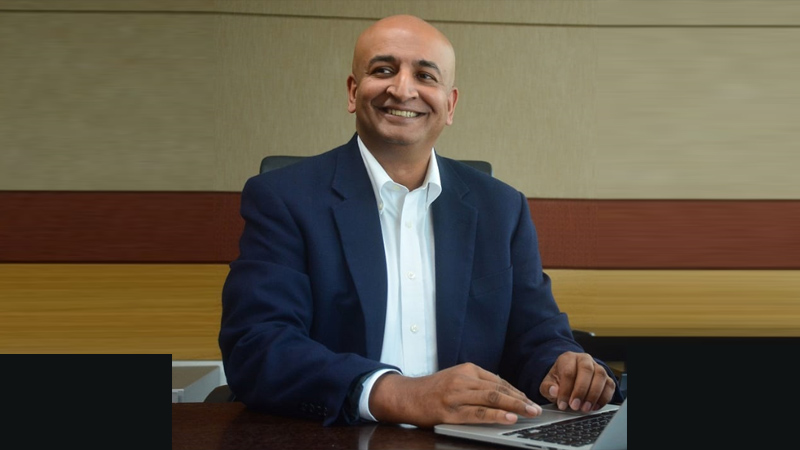
Mumbai: Gautam Sinha, the former – CEO of Times Internet has embarked on a new entrepreneurial journey with the launch of SimpleO.ai. With SimpleO.ai (short for Simple Office), Gautam and his team are on a mission to simplify the enterprise using AI, starting with the management of contracts and the risks, obligations, SLA’s, audits, compliance, and governance associated with them.
Gautam is a global executive with over 35 years of rich experience including a wealth of startup and industry expertise. Prior to confounding SimpleO, Gautam was the CEO of Times Internet Ltd., the digital arm of The Times of India Group, where he drove the strategy, vision, and execution for all the internet, mobile and telecommunication properties of the group. With iconic brands like Times of India, Economic Times, Gaana, Mx, Magicbricks, TLabs, Dineout, Cricbuzz, Gradeup under the flagship of Times Internet, his contribution to the internet economy of India is well acknowledged.
Prior to Times Internet Ltd., Gautam was the chief operating officer of CashEdge Inc., a company based out of New York and California working in payments and wealth management, where he worked since 2001 building and leading the company from startup to profitability. Prior to CashEdge, he held senior management positions at Sevant, Aspect Communications, at the Neural Applications Corporation, and as a scientist at the ministry of defense in India (DRDO).

Reflecting on his new venture Gautam Sinha, said, “I used to have a personal pain point around management of contracts. I used to sign many contracts on any average day, and with that used to take risks, obligations, SLA’s, governance, and audit commitments on behalf of the organization. However, there were no end-to-end smart/AI tools to automatically dashboard and manage the risks, obligations, SLA’s, audits, compliance, and governance around the tens of thousands of signed contracts. Even the process of creating, negotiating, and executing contracts was very tedious and time consuming. With the maturing of GenAI, we saw an opportunity to radically simplify the entire lifecycle and manageability of contracts by building a legal-grade GenAI product suite. SimpleO strives to infuse simplicity into the core of corporate operations, offering an innovative solution for the efficient and effective management of contract lifecycles. We believe that tackling this challenge will contribute to the overall efficiency and success of organizations, allowing them to focus on what matters the most.”
SimpleO.ai is backed by successful investors and entrepreneurs in US and India, Satyan Gajwani, Sahil Barua, Mohit Tandon, Mukesh Singh and Vetri Vellore.





Digital
The Indian Express appoints Nandagopal Rajan as CEO Digital & Shobhit Singhal as chief technology and product officer
Longtime editor steps up to lead next phase of growth and storytelling
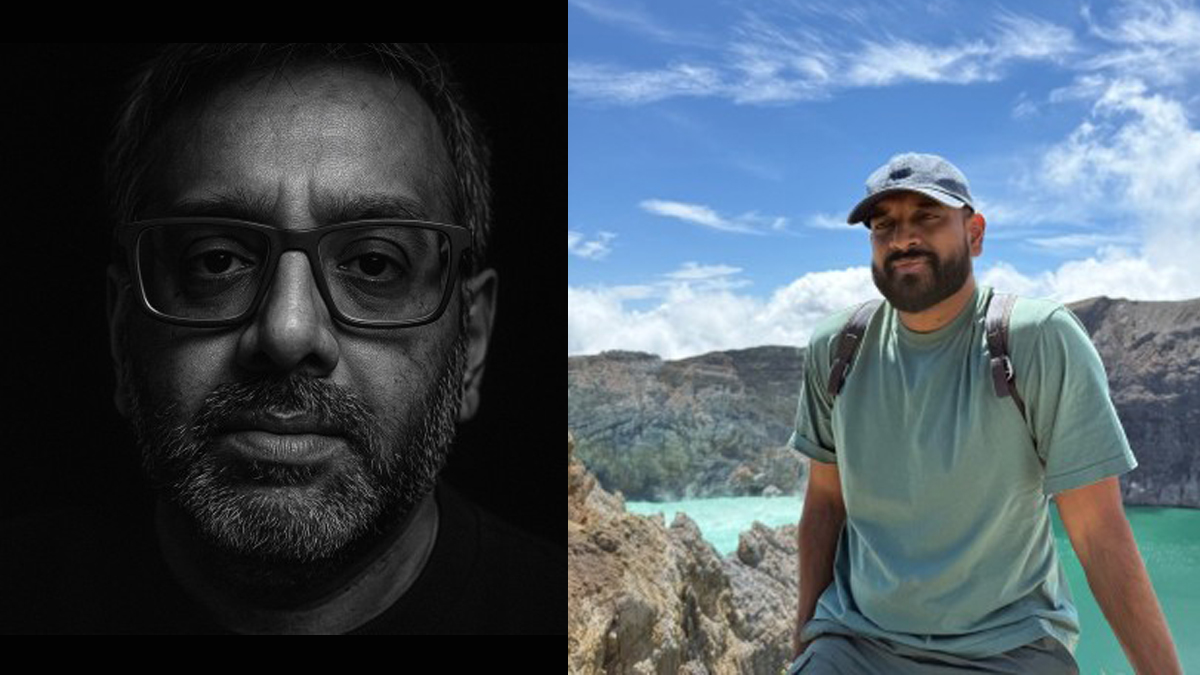
NEW DELHI: The The Indian Express has announced a major leadership reshuffle in its digital division, naming veteran journalist Nandagopal Rajan as chief executive officer (Digital), while also bringing in Shobhit Singhal as chief technology and product officer.
Rajan, who has been with the organisation for over a decade, steps into the role after serving as chief operating officer and earlier as editor of new media. His journey with the company dates back to 2013, when the digital team was a compact setup. Today, it has expanded into a multi-city operation with over 500 employees, reflecting the rapid evolution of the publisher’s online presence.
In a note announcing his new role, Rajan said, “Stepping into the role of CEO of The Indian Express Digital, I am very aware that it is not about a title. It is about responsibility to the vision, to the belief that we must always be content-led, and to every reader who expects credible journalism from us.”
He also acknowledged the contributions of leadership figures such as Anant Goenka and George Varghese, while crediting Sanjay Sindhwani for building a strong foundation for future growth.
In parallel, the company has appointed Shobhit Singhal to lead its consumer product and technology functions, overseeing engineering, design, marketing, growth and subscriptions. Singhal brings extensive experience across digital product ecosystems, having previously worked with platforms such as Disney+ Hotstar and Moloco, and also serving on advisory initiatives with Google.
Singhal’s mandate will focus on strengthening user experience and scaling the publication’s digital offerings, as competition intensifies across India’s online news and media landscape.
The dual appointments signal a sharper focus on technology-led storytelling and product innovation at The Indian Express, as it continues to expand its digital footprint.
With seasoned newsroom leadership and a product-first strategy now aligned, the organisation appears set to push into its next phase of digital growth while staying rooted in its editorial core.






