MAM
‘Forever in our kitchens & hearts’: Brands eulogise MDH Uncle

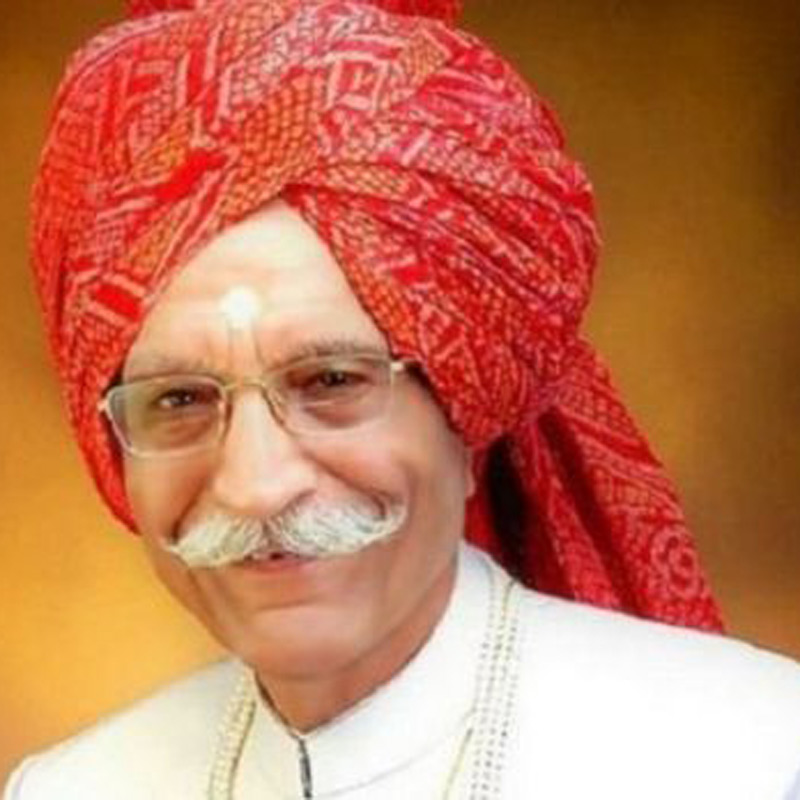
New Delhi: It’s a sad day for the Indian business community with the passing of 'Mahashay’ Dharampal Gulati, owner and CEO of spice brand MDH (Mahashian Di Hatti), as well as the most recognisable grandpa on national television.
He was known by many monikers: 'king of spices', ‘masala king’, ‘MDH uncle’ and there is hardly anyone in India who would have not heard the memorable jingle for the brand created under his tenure – ‘Asli Masale Sach Sach, MDH MDH’.
He was undergoing treatment in Delhi for the last three weeks.

From a small shop in Karol Bagh, late Mahashay Dharampal Gulati built MDH into one of India's leading spice brands, valued at around Rs 1,000 crore. He officially established his company in 1959. At present, MDH Spices, which reportedly manufactures nearly 50 different varieties of spices, has 15 factories across the country and sells its products all over the globe.
He will always be regarded as an iconic entrepreneur and will continue to inspire generations ahead.
Multiple brands across categories came forward to pay tribute to this iconic leader:- Pepsico
Policybazaar
India's favourite MDH Uncle, Mahashay Dharampal Gulati, will always be remembered as the King of Masalas. May his soul rest in peace.#MDH #RIP #PolicyBazaar #AapKiSideHai pic.twitter.com/ldsOD9phSB
— Policybazaar (@policybazaar) December 3, 2020
Ceat
Age was indeed just a number for you. Thank You for adding flavors to our life and always inspiring us. RIP #DharampalGulati #mdhmasala #MDH pic.twitter.com/4SHifBj7Xu
— CEAT TYRES (@CEATtyres) December 3, 2020
Indigo
RIP Mahashay Dharampal Gulati, the longest-reigning king of our kitchens. #mdhmasale #mdhmasala #MDHRIPधर्मपाल #RIP pic.twitter.com/KrKz9Bgj3H
— IndiGo (@IndiGo6E) December 3, 2020
Badshah Masala
With complete & utmost respect, we mourn the loss of the eminent personality in the Masala Industry, the owner of MDH Masala, Mahashay Dharampal Gulati. We sincerely offer our deepest condolences for the huge loss to our industry and customers of all Masala brands. pic.twitter.com/09b9FwOBf4
— Badshah Masala (@Badshahmasala) December 3, 2020
EaseMyTrip
An end of an incredible journey. Om Shanti
.
.
.
.
.
.#EMT #EaseMyTrip #DharmpalGulati #MDHMDH #MDH #endofanera #RIP #MDH #mdhmasale pic.twitter.com/gTBWc11Zyc— EaseMyTrip.com (@EaseMyTrip) December 3, 2020




MAM
One Hand Clap acquires Agenseed to enter distribution space
Creative agency expands into full-stack services with strategic buyout.
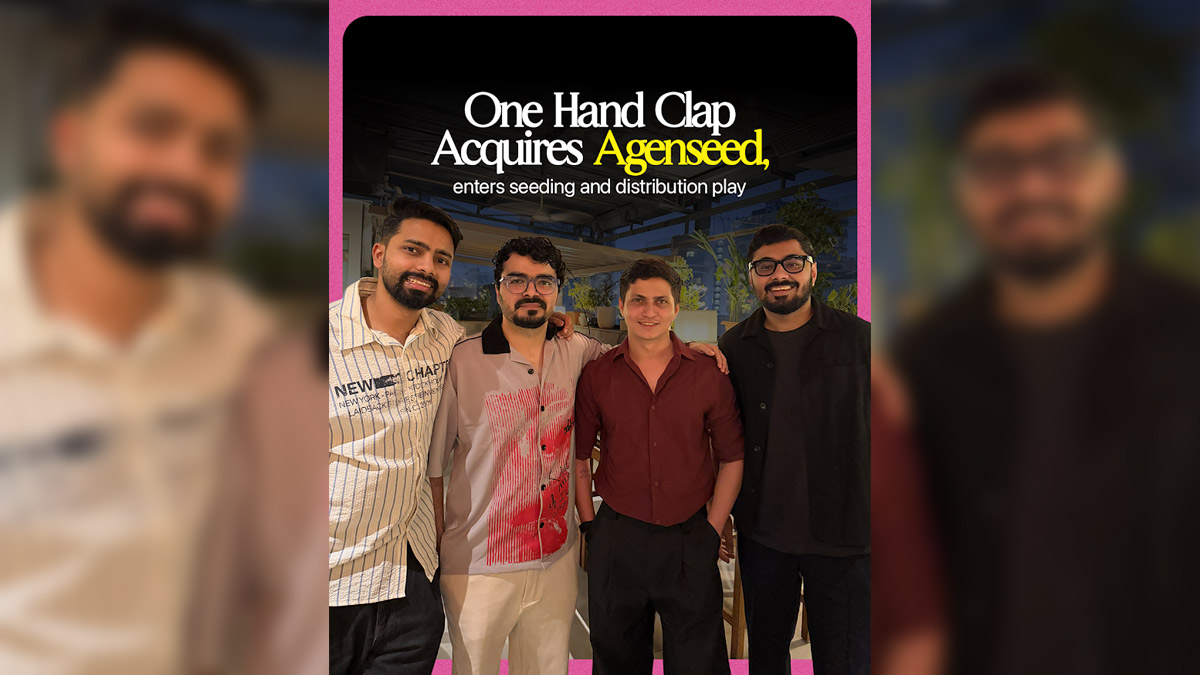
MUMBAI: One Hand Clap has decided to stop just clapping for great ideas now it wants to make sure they actually travel. The leading new-age creative agency and production house has acquired Agenseed, a seeding and distribution firm, marking its formal entry into the distribution segment. The move is aimed at expanding its role across the entire marketing value chain and unlocking new growth opportunities.
One Hand Clap expects the new distribution vertical to contribute up to 15 per cent of its overall revenues over the next 12–18 months, signalling a clear strategic shift beyond pure creative services.
Agenseed, founded by Monish Hardasani and Akram Malik, will function as the agency’s dedicated distribution arm. This acquisition strengthens One Hand Clap’s position as it aims to become a full-stack creative and distribution company in India’s rapidly growing digital advertising market.
With over 90 million posts shared daily on Instagram and brands allocating 25–35 per cent of their digital budgets to distribution and creator-led reach, amplification has become critical to campaign success. By integrating distribution early into the creative process, the agency hopes to help campaigns gain stronger cultural traction and momentum.
One Hand Clap founder Aakash Shah said, “The future of advertising is not just about executing great ideas, but about placing them intelligently. By owning both storytelling and distribution, we can drive greater impact for brands while opening up new revenue streams.”
Agenseed co-founder Monish Hardasani added, “The future belongs to ideas designed to travel. This partnership allows us to integrate distribution thinking at the source.”
Founded in 2019 by former AIB leaders Aakash Shah and Naveed Manakkodan, One Hand Clap has worked with major brands including Swiggy, Google, Netflix India, Crocs, Duolingo, CRED, Bumble, BGMI and Chetak. The agency also secured investment from Zerodha co-founder Nikhil Kamath last year.
In an increasingly fragmented attention economy, this acquisition reflects a broader industry shift where agencies are building end-to-end capabilities to stay competitive. One Hand Clap is clearly clapping louder and ensuring its ideas now reach much further.






