MAM
Fifa Women’s World Cup sets new TV viewing records


MUMBAI: Soccer’s governing body Fifa has announced that the Women’s World Cup Germany 2011 has set a new benchmark for the sport after viewers around the world tuned in en masse and smashed several TV audience records along the way.
This was particularly notable in the host nation Germany, the defending champions twice over, as well as in the countries of the two finalists, the USA and Japan.
The four games featuring the German team all gained average audiences of more than 14 million, with their final three matches attracting averages of over 16 million viewers nationwide – by far the highest audiences on record for Fifa Women’s World Cup matches in Germany.
An average audience of over 17 million people watched Germany bow out to Japan, representing nearly a quarter of the German population.
To put these figures into context, an average German audience of 15.5 million watched the recent Klitschko v. Haye World Championship boxing match in Hamburg, Germany, and an average of 14.8 million watched Germany v. Serbia at the 2010 Fifa World Cup South Africa.
The German audiences for the Fifa Women’s World Cup are also the highest audiences for any sporting programme in the market since the final in 2010.
Fifa TV director Niclas Ericson said, “These are solid figures on their own, but when you put them into context with other major sports events they emphatically underline that the FIFA Women’s World Cup was an exceptionally popular spectacle for TV viewers.”
In the US, an average audience of over 14.1 million watched the final between the US and Japan.
ESPN delivered the large majority of the audience, reporting an average of close to 13.5 million and a peak audience during the penalty shoot-out of over 21.1 million. This is ESPN’s highest-ever audience for a football match and ranks as the second-highest audience for a daytime telecast in US cable history (behind the 2011 Rose Bowl). These audiences were also over three times higher than the US average audience for the final round of golf’s Open Championship on Sunday, as well as nearly 10 per cent higher than the audience for baseball’s All Star Game last week.
Newly crowned world champions Japan also achieved record audiences at home for the final despite the match airing in the early hours of Monday morning. An average audience of 10.4 million watched Japan beat the USA, while a peak audience of over 15 million witnessed the penalty shoot-out. This audience is more than three times higher than the previous record for a women’s football match in Japan set by the semi-final last week, and it is more than 50 per cent higher than the audience in Japan for the final of the 2010 Fifa World Cup South Africa. This also compares favourably to Japanese audiences for other major sporting events, including The Masters golf tournament.
In France, a record audience was set for the France v. USA match, with an average audience of over 2.3 million tuning in. This is more than double the previous record for a women’s football match in the market, which had been set for the France v. England quarter-final earlier in the tournament. The audience in France peaked at nearly 3.3 million towards the end of the France v. USA match.







MAM
Beacon Group appoints Dr Rajesh Patel as Group CEO
36-year healthcare veteran to lead Beacon Diagnostics, Vector Biotek, Biogeny.
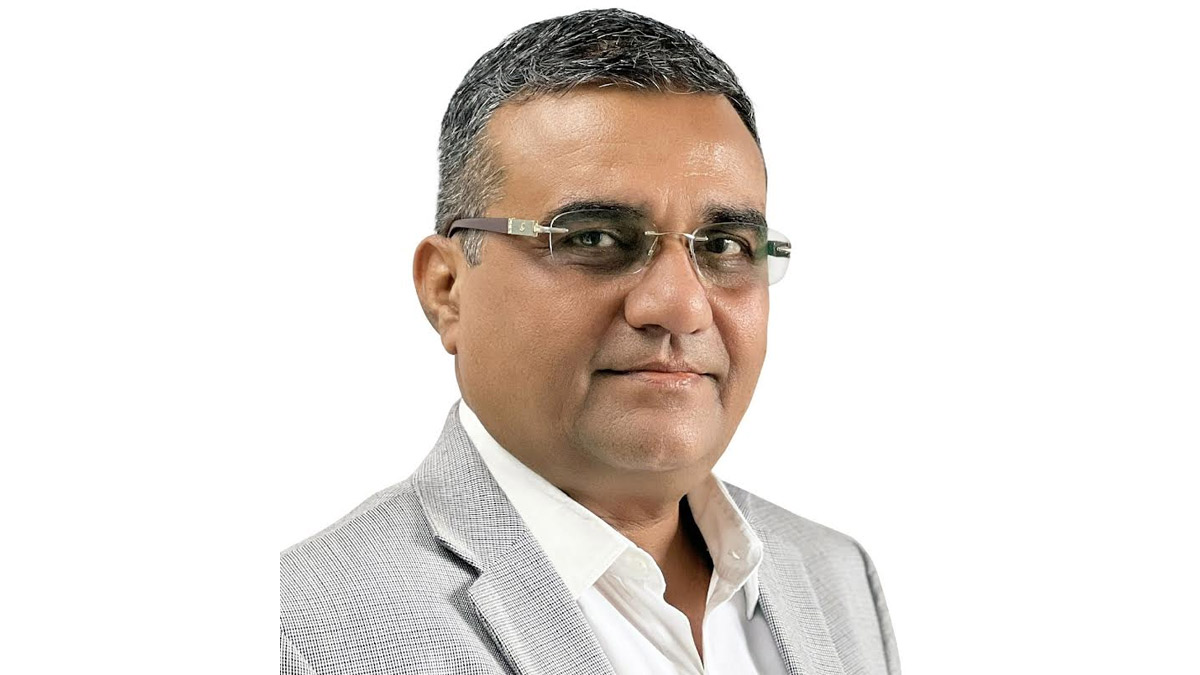
MUMBAI: A new chief, a fresh diagnosis and a sharper prescription for growth. Beacon Group has appointed Dr Rajesh Patel as its Group Chief Executive Officer, effective April 1, 2026, signalling a decisive push to scale its presence in the diagnostics and IVD space. Patel steps into the role with 36 years of experience across the healthcare and diagnostics industry, bringing a career shaped by leadership roles spanning sales, marketing, business development and operational strategy. His mandate is both expansive and precise: to steer the group’s overall strategic direction while tightening coordination across its three core entities Beacon Diagnostics, Vector Biotek and Biogeny Diagnostics.
In practical terms, that means driving cross-company synergies, accelerating market expansion and strengthening organisational capability areas increasingly critical as diagnostic players compete for scale in a fragmented yet rapidly evolving healthcare ecosystem. The group is positioning itself to capture unmet demand across chain laboratories, key accounts and standalone labs, segments that remain underserved despite growing diagnostic needs.
The appointment comes at a time when the In Vitro Diagnostics (IVD) sector in India is entering a more competitive and innovation-led phase, with companies focusing not just on product pipelines but also on service delivery, integration and customer-centric models. Beacon’s leadership appears to be betting that Patel’s execution-focused approach can help translate ambition into operational momentum.

Welcoming the appointment, Chairman Dr D K Joshi described Patel’s induction as a strategic move aligned with the group’s long-term vision, emphasising the role of leadership depth in navigating the next phase of growth.
For Beacon Group, the message is clear, in a sector where precision matters, leadership is the new differentiator—and this appointment is intended to set the tone for what comes next.






