MAM
Fevicol launches in Egypt

MUMBAI: Fevicol has announced that it has entered yet another overseas market – Egypt. The adhesive brand is already being exported to over 15 countries like – UAE, South Africa, Vietnam, Bangladesh, Sri Lanka, Bahrain, Kuwait, Qatar, Oman, Congo, Mozambique, Saudi Arabia, Angola to name a few.
Additionally, plans are also underway to launch the brand in Pakistan, Indonesia and Myanmar.

Fevicol has announced its Egypt launch through an outdoor advertisement in Mumbai, the visual of which, carries the image of a sphinx with a broken nose that is sealed with Fevicol.
In the early 90s, the Fevicol brand emerged as a market leader in its category in India. Despite this, the sales figures remained stagnant. It is at this point in the life of Fevicol that the company decided to invest in marketing the brand.
The return on Pidilite’s investment in marketing this brand paid off well, demonstrating sales growth of over 55 per cent vs. average market growth rate of 10 per cent. At present Fevicol enjoys 70 per cent of the market share.
Through its marketing initiatives, the Fevicol brand succeeded in establishing a distinctive position for Fevicol vis a vis unbranded products. The big idea, ‘Fevicol is Bonding’, was an idea that has been communicated largely through advertising, which was created by O&M. The “Huddle” image of the Indian Cricket team and TV commercials like ‘Haisha” are examples of execution of this idea that clearly state, “Some bonds are as unbreakable as the Fevicol bond.”
Once ‘Fevicol is bonding’ was established as a brand association, the task at hand was to retain existing customers, generate repeat sales and grow the market share. While the first step in the advertising was to move towards making brand associations, the second phase of this evolution was to extend and own the underlying values of these associations. Creative executions like the ‘Egg’ and ‘Cliffhanger’ TVCs worked successfully to meet these objectives.



Brands
Emami names Dhruv Aggarwal as chief growth officer
Former Bain partner steps in as FMCG firm sharpens growth playbook
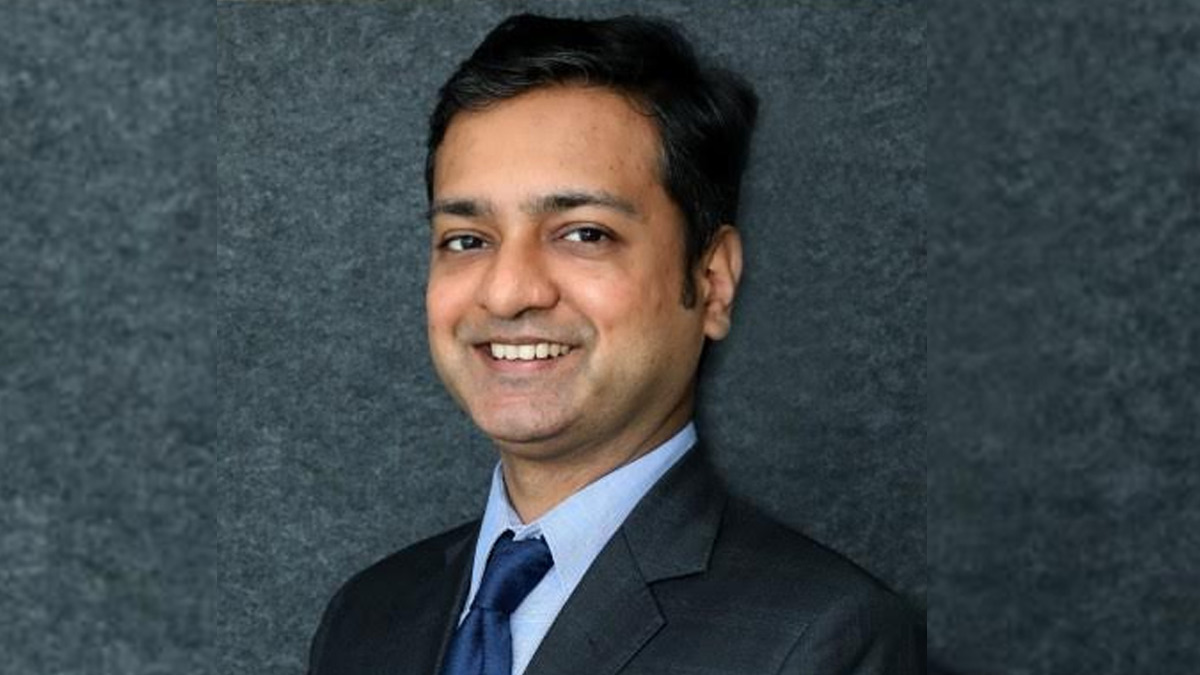
MUMBAI: Emami Limited has appointed Dhruv Aggarwal as its chief growth officer, effective 25 March 2026, following the resignation of Giriraj Bagri.
Aggarwal joins the FMCG major from Bain & Company, where he most recently served as partner. With over two decades of experience across consulting and strategy, he brings a global perspective shaped by work across India, the US, the UK and Germany.
During his tenure at Bain, Aggarwal advised consumer, retail and media companies on large-scale transformations, business turnarounds and growth strategies. He was also closely involved with India’s startup ecosystem, guiding early-stage ventures on scaling and digital expansion, while supporting private equity and venture capital firms on investment decisions.
His earlier stints include a brief role at Barclays Capital and operational experience at Jindal Power, giving him a mix of financial and industry exposure.
Academically, Aggarwal holds an MBA from Indian Institute of Management Bangalore and has also been associated with University of Illinois Urbana-Champaign as a PhD candidate and teaching assistant.
The appointment comes at a time when Emami Limited is looking to sharpen its growth strategy in a competitive consumer market. With a seasoned strategist now at the helm of growth, the company appears set to double down on transformation and expansion in the months ahead.








