MAM
Factors That Influence the Cost of Bike Insurance Policy


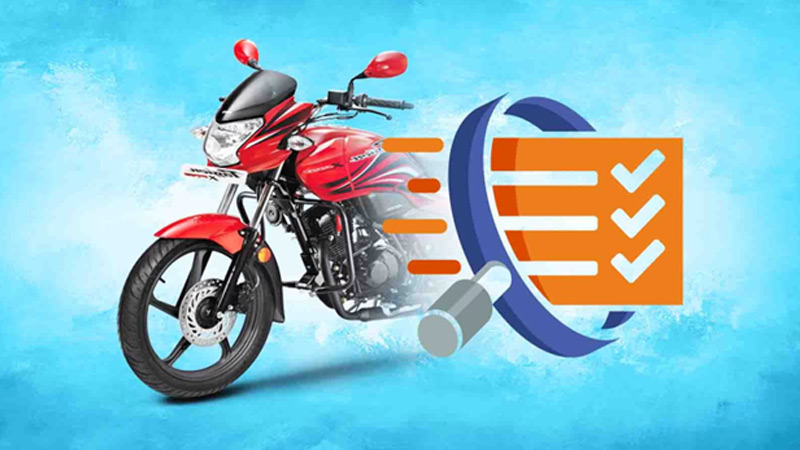
The number of two-wheelers on Indian roadways has increased street traffic, raising the chances of an accident. To reduce these risks, the Indian government has made it essential for every automobile owner to get insurance. As a bike owner, you must invest in goodbike insurance coverage to not just stay protected but also comply with the law (Motor Vehicles Act) and not face any monetary penalties.
In this article, our main focus will be the aspects/factors that influence the cost of your two-wheeler insurance policy. But before that, let’s first discuss why getting a bike insurance policy is crucial. Keep reading!
Why is Bike Insurance Important?
Accidents are unpredictable while you are driving a vehicle. Accidents happen unexpectedly when driving. Because of this unpredictability, having insurance for yourself and anybody else who may be affected by the vehicle you drive is critical. Regarding bike insurance coverage, it protects you in two ways — against legal liabilities and financial losses caused by bike-related accidents.

Now, two main types of bike insurance policies are available in India – third-party liability and comprehensive bike insurance. Out of these, the liability plan is mandatory. The comprehensive plan provides extensive coverage, including mandatory coverage. As a result, regardless of the plan you choose, you will receive the mandatory cover.
What are the Factors That Affect the Two-Wheeler Insurance Costs?
1. The Make and Model of Two-Wheeler
Your bike’s brand and model significantly impact the premium value of your insurance. A sports or expensive bike will have a higher insurance premium than a standard scooter or geared two-wheeler. This is because replacement and repair components are readily accessible for standard bike models. However, repairs for luxury or sports bikes would be expensive, hence expensive premiums.
2. Type of Coverage
Bike insurance policies are primarily of two types – third-party insurance and comprehensive insurance. Third-party insurance covers damages only associated with a third party involved in an accident.
A comprehensive policy will include third-party and other incidents, including natural calamities, theft, fire explosions, malicious acts, burglaries, terrorist attacks, etc. Since comprehensive policies offer more, the bike insurance policy costs of those policies are relatively on the higher side.
3. Insured Declared Value
Your two-wheeler’s value depreciates as your vehicle ages. Depreciation also affects the insured declared value or IDV of the motorcycle, which reduces yearly. You can, however, boost the bike’s IDV by paying a greater price for two-wheeler insurance at the time of renewal.
4. Age of Bike and Riding History
The older your bike is, the less expensive the premium. Newer models have a larger probability of being stolen. Also, replacement components for later versions are significantly more expensive. Furthermore, modern bikes have a higher market value than older ones, which raises the IDV. Given all of this, the premiums for new two-wheelers have increased.
Furthermore, how you maintain and use your bike affects the premiums. For example, your rates will increase if you spend more time on the road.
5. Engine Capacity or Cubic Capacity (cc)
The engine capacity of your bike or two-wheeler indicates the volume of the cylinders in the engine. The larger the engine, the higher its cc and power will be, and the higher the cost of maintenance. This ultimately leads to a higher premium charge for bikes with a higher cc and reduced costs for bikes with a lower cc.
6. Add-on Covers
These are additional features to add to your existing bike insurance policy (comprehensive bike insurance policy) costs. Examples include zero depreciation, roadside assistance, engine protection, etc. These add-ons give you more coverage than your standard insurance policy. The insurance for your bike price increases with these add-ons.
7. No-claim Bonus
NCB is a discount (in %) offered by insurance companies to their policyholders who do not file a claim in a given year. Your NCB discount increases with each subsequent claim-free year and is an excellent means to reduce two-wheeler insurance costs. Under NCB, one can avail of a 50% discount on bike insurance premiums.
8. Anti-theft Devices
It is important to install anti-theft devices, as they help protect your bike from theft and lower any risk for the insurance provider. The insurer will reward you for reducing their risk or liabilities by offering discounts on premiums and bike insurance renewal prices.
9. Modification in Bike
Although modifying your bike’s components might improve its appearance, the cost of your bike insurance coverage will increase to cover the expenses of these parts. Your premium payout will rise in proportion to the alterations you make to your car.
10. Gap in the Renewal Process
In an unforeseen tragedy, a lapse or gap in bike insurance renewal will result in financial loss. Thus, set a reminder to complete the bike insurance renewal procedure. Typically, your insurer will allow a 30-day grace period to renew the coverage. If you miss the renewal date, you must purchase new insurance coverage. This new policy’s rate may be higher because you are no longer eligible for the NCB.
How to Calculate Premium Using Bike Insurance Calculator?
The bike insurance calculator helps owners estimate and calculate the premium amount and the coverage their two-wheeler requires. It helps them make an informed choice about bike insurance.
Thus, taking note of the factors that influence the cost (of bike insurance) and entering them into a bike insurance calculator is the most effective approach to modifying the cost of a bike insurance policy. Using the online calculator for different plans will show you the approximate cost of the policy and provide you with a pricing list for bike insurance. You can then use the bike insurance price list to finalise the policy.
Final Words
You can lower your insurance premiums even if the factors above could impact the cost of your bike insurance policy. For example, you can purchase only the necessary add-ons, install anti-theft devices, and refrain from filing claims until necessary. Moreover, an online application called a two-wheeler insurance premium calculator or bike insurance premium calculator may be used to determine the insurance premium amount.




Brands
GUEST COLUMN: Beyond layoffs, India emerges as creative-tech hub
Shift in hiring and AI-led workflows is reshaping global media and marketing
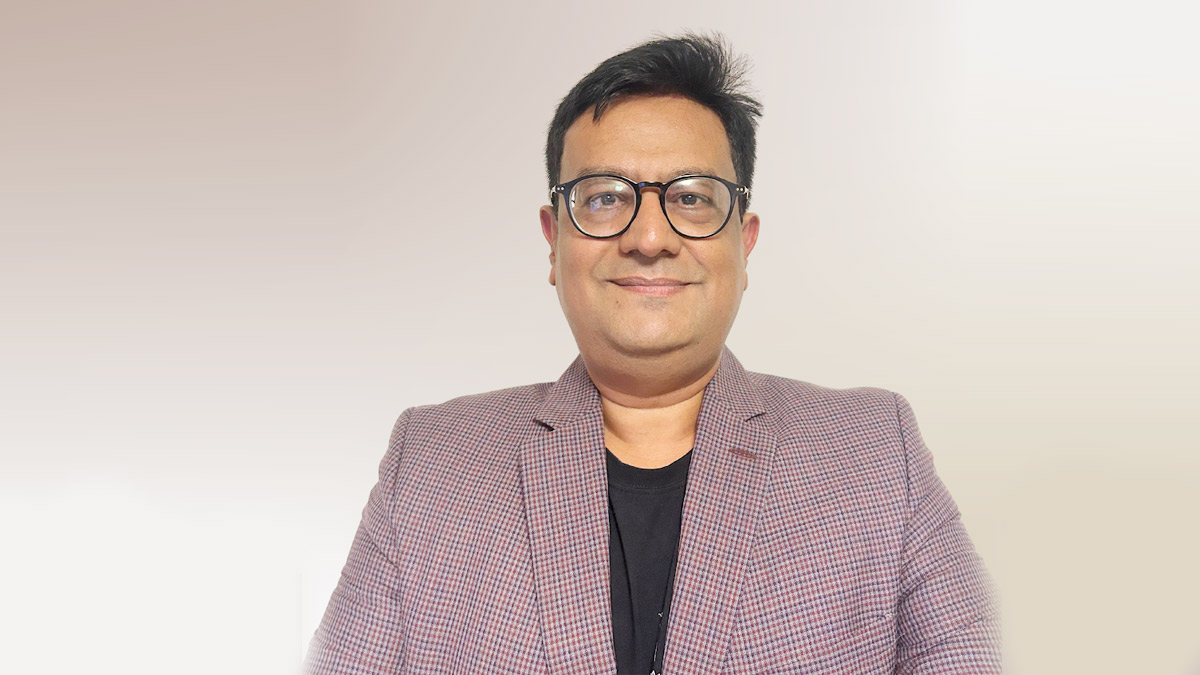
MUMBAI:The global narrative around layoffs in media and technology may suggest contraction, but a deeper transformation is reshaping how creative and tech capabilities are built and deployed. For Sanjil Zaveri, general manager – India at Brandtech+, this shift is less about decline and more about redistribution, one that is positioning India at the centre of a new global operating model. In this piece, Zaveri explores how integrated workflows, AI-powered production, and evolving talent demands are redefining the creative-tech ecosystem, why India is emerging as a strategic hub for global content and innovation, and what this means for the future of media, marketing, and talent.
The global headlines around layoffs in technology and media continue to dominate industry conversations. From platform restructuring to reduced marketing spends, the narrative suggests a slowdown across the creative and digital ecosystem.
But beneath these headlines, a different shift is underway, one that is quietly redefining how creative and technology work is delivered globally.
Hiring is not disappearing; it is being redistributed. And India is increasingly at the centre of this transition.
A structural shift in the creative-tech ecosystem
The media and marketing landscape is undergoing a fundamental reset. Brands today are moving away from fragmented agency models and siloed teams toward more integrated, agile structures.
Creative, technology, and media are no longer operating in isolation. Campaigns are now built through connected workflows, where ideation, production, and optimisation happen simultaneously.
This shift is forcing organisations to rethink where and how teams are built. Increasingly, the focus is on capability, speed, and scalability, rather than geography alone.
India’s emergence as a creative-tech hub
India’s role in this evolving ecosystem has expanded significantly.
Traditionally positioned as a backend execution market, India is now playing a far more central role in global campaign delivery. Teams based here contribute not just to production, but also to strategy, content development, and performance optimisation.
This is particularly relevant in a market where content velocity has increased dramatically. With the rise of digital platforms, OTT, and always-on marketing, brands require high volumes of creative assets without compromising on quality.
Industry insights from Ernst & Young point to India’s growing strength as a global content hub, while NASSCOM continues to highlight the scale and depth of the country’s digital talent pool. Together, these factors create a compelling case for India as a foundation for more efficient, integrated content ecosystems serving global markets.
A global company’s perspective on India
At Brandtech+, this shift is already shaping how we operate.
As a global organisation working across creative, marketing, and technology, our talent strategy is increasingly driven by capability rather than location. India has therefore become a key market for both scale and strategic talent.
In the first quarter of this year, we have significantly accelerated hiring in India across creative, technology, and operations roles, moving well ahead of plan and continuing to build strong momentum. We are actively hiring across multiple functions, with India playing a central role in delivering integrated creativetech solutions for global brands.
These signals reflect a broader change in how global companies view India, not as a delivery centre, but as a hub for connected creative, data, and technology capabilities.
“While much of the global narrative is centred on contraction, what we are seeing in India is a different kind of growth,” says Sanjil Zaveri. “As a global company, we are investing in talent that can work across creative, data, and technology, because that is where the future of marketing is headed.”
AI and the new content economy
Artificial intelligence is playing a critical role in enabling this transformation.
In today’s media environment, the demand for content has scaled exponentially. Brands are expected to create, adapt, and optimise creative assets across multiple platforms in real time. The scale of this demand would be difficult to sustain through traditional production models alone.
AI is helping make this possible.
Rather than replacing roles, AI is streamlining workflows, automating repetitive tasks, accelerating production timelines, and enabling faster experimentation. This allows creative and strategy teams to focus on higher-value outputs.
“AI removes the mundane and elevates the meaningful,” says Zaveri. “It allows teams to focus on ideas and storytelling, while technology drives efficiency.”
For media platforms and advertisers, this is redefining how campaigns are built, moving from linear production cycles to continuous, data-driven content creation.
What this means for media talent
For professionals across media, advertising, and digital, this shift is redefining skill requirements.
The traditional boundaries between creative, media planning, and technology are blurring. Content creators are expected to understand performance metrics. Media professionals are working more closely with data, platforms, and automation. Collaboration across disciplines is becoming a core skill.
This is creating demand for hybrid talent, professionals who can operate across disciplines and adapt to rapidly changing workflows.
India’s talent ecosystem is particularly well suited to this environment. With strong capabilities across content, design, engineering, and analytics, the market offers a unique combination of scale and versatility.
Importantly, global exposure is no longer tied to relocation. Professionals in India are increasingly working on international brands and campaigns, collaborating with teams across markets in real time.
Looking ahead: India at the centre of the reset
What we are witnessing today is not a temporary phase; it is a structural reset in the global creative-tech ecosystem.
Layoffs may continue to shape short-term narratives, but they do not capture where long-term growth is being built. That growth lies in new operating models, integrated workflows, and markets that can deliver both scale and innovation.
India is firmly at the centre of this transformation.
As global media and marketing organisations continue to evolve, India’s role will only become more critical, not as a support market, but as a strategic hub for content, creativity, and technology-led innovation.
The future of creative-tech will be defined by collaboration, speed, and adaptability. And increasingly, it will be shaped from India.
Note: The views expressed in this article are solely the author’s and do not necessarily reflect our own.






