MAM
Eventually, IPL 2020 scored big with advertisers, sponsors

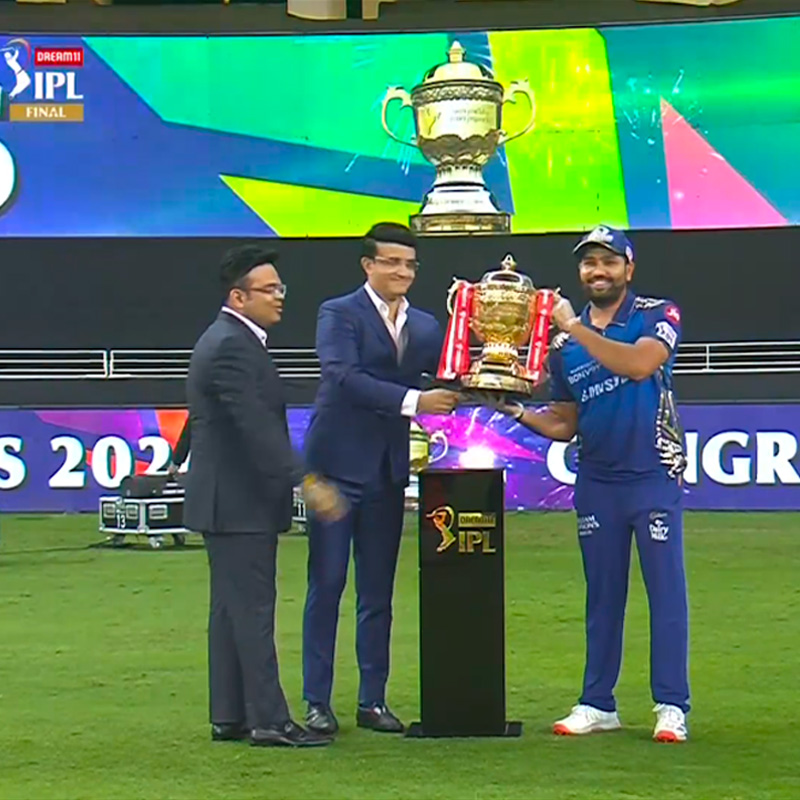
NEW DELHI: When IPL 2020 began in September, there was a lot of speculation in the industry about its capability to churn out the spectacular revenues like every year. The sponsorship rates had gone down by as much as 25 per cent, and it was highly uncertain that the advertisers, who were still reeling from the financial disaster that Covid-2019 turned out to be, would be willing to spend the big bucks on advertising. However, broadcast partner Star was pretty positive that it would manage to surpass its previous year’s revenue records and clock sales of more than Rs 2000-crore that it managed to churn in 2019. And as it panned out, it was not just Mumbai Indians captain Rohit Sharma who held the trophy aloft after an easy win against the Delhi Capitals in the finals last evening, but the broadcaster also had some big wins in its kitty.
The Media Ant Co-founder Samir Chaudhary stated that IPL 2020 turned out to be a big property for the broadcaster with viewership numbers attaining new highs in IPL 2020. His expectation is that Star will pocket higher revenues than in the previous season.
Havas Media Group India national head – buying R. Venkatasubramanian agreed, estimating the jump to be around 10-12 per cent (TV + digital) over last year.

“They sold most of the inventory well before the start of the tournament. As per my knowledge, they must have sold only three to five per cent inventory during the tournament and the sticker prices were 10-15 per cent more than what was offered initially,” pointed out Venkatasubramanian.
The initial rates ranged between 10 and 15 lakhs per 10 second, as Indiantelevision.com had reported earlier. There were five co-presenting sponsors for Dream11 IPL 2020 on Star Sports – Dream 11, Phone Pe, Amazon, Vodafone Idea and Byju’s; 13 associate sponsors: Mondelez, ITC Foods, Polycab, Diageo, P&G, Coca-cola, Hero, KP Group, Facebook, Daily Hunt, Samsung, Cred and AMFI. Beyond the live game – Byju’s was the sponsor for the pre-and-post-game live show – Byju’s Cricket Live.
The categories of advertisers included BFSI, edtech, online gaming, online shopping, home décor, mobile handsets, consumer durables, FMCG, auto, apparel amongst others. Internet and digital-based business like fantasy sports, edtech, e-commerce, and online gaming, also got good traction.
As confirmed by a Star Sports spokesperson, IPL 2020 had 18 sponsors and a total of 110 advertisers on board, which is the highest number of partners and advertisers in the history of the IPL, since it began in 2008. Most of the inventory was sold in advance.
IPL 2020 performed exceptionally well in terms of viewership as well. As per BARC data, for television, IPL 2020 has seen an increased engagement and affinity, reflected through the higher number of games watched. IPL 2019 had 326 billion minutes consumption. That mark had been surpassed in this year’s IPL when just 50 out of the 60 games had been played.
Additionally, the season recorded the most games watched by an average viewer for any 60-game IPL season and the highest engagement for any IPL ever on the back of regionalisation with Hindi and southern language feeds (Telugu, Tamil and Kannada).
“The viewership has increased 18-19 per cent compared to last year (till the sixth week of the tournament) and mostly IPL 2020 will finish with 15-18 per cent higher viewership compared to IPL 2019,” Venkatasubramanian highlighted.
That will be more power to the game of cricket. And the love that its fans give it.






If you are shortlisted for a few of the best CBSE schools in Mumbai, you are probably noticing a clear shift in what “good schooling” looks like today. Strong marks still matter, but so do safety systems, student wellbeing, and learning spaces that feel current and purposeful. The most trusted campuses are not choosing one priority over another. They are building a school experience where academics, safety, and modern facilities work together, day after day.
Academic Rigour Without Burnout
In many of the best CBSE schools in Mumbai, academic strength is built through clarity, consistency, and better teaching design, not endless pressure. You will often see a stronger focus on concept-building, application, and regular feedback to help children feel less lost or rushed.
Conceptual Learning That Feels Relevant
CBSE naturally rewards conceptual understanding, especially in STEM-heavy subjects, and schools are improving how they teach those fundamentals using more visual and hands-on approaches. Modern classrooms, well-planned labs, and reading spaces make it easier for students to connect theory with real understanding.
- Teachers explain concepts with models, demonstrations, and real-life examples, not only textbook reading
- Assessments include problem-solving and explanation-based answers, not only memory checks
- Structured academic support exists for students who need extra help, without labelling or shame
- Co-curricular learning is scheduled sensibly, so it supports academics rather than competing with them
Safety as a System, Not a Promise
Parents in Mumbai are rightly cautious. Traffic, large campuses, crowded neighbourhoods, and long commutes can increase risk if a school is casual about safety. Strong schools treat safety as a set of systems with accountability, not as a marketing line.
Compliance, Preparedness, and Child Protection
For CBSE-affiliated schools, safety expectations are not optional. CBSE’s affiliation norms direct schools to follow Supreme Court guidance, the national school safety policy, child protection safety manuals, and the National Building Code, along with strict requirements for building, fire, water, hygiene, transport precautions, and supervised cyber safety.
- Controlled entry and verified visitor processes
- Regular evacuation drills and clearly displayed emergency routes
- Trained staff in supervision in high-movement areas such as corridors, playgrounds, and activity blocks
- Transport systems designed for visibility and tracking, including GPS-enabled buses in many premium setups
- Clear digital safety rules in computer labs with adult supervision, not open access
Modern Facilities That Actually Support Learning
Facilities matter only when they improve learning and the day-to-day student experience. The strongest campuses invest in spaces that support teaching quality, student curiosity, and balanced development, rather than only impressing during a tour.
Learning Spaces Built for Understanding
Digitally enabled classrooms, well-equipped laboratories, and functional libraries can improve how children learn, especially when teaching is designed around exploration and clarity rather than rote completion.
Sports and Creative Spaces That Build Confidence
A balanced CBSE school environment in Mumbai often includes sports courts, outdoor grounds, and dedicated rooms for music or activities, as these spaces foster discipline, teamwork, and self-expression.
What Parents Can Observe During a Campus Visit
A campus visit becomes far more useful when you look beyond brochures and ask how things run on a typical school day.
- Ask how the school tracks learning progress and supports students who are struggling
- Observe whether classrooms feel active and engaging, or silent and purely lecture-driven
- Check how entry and dispersal are managed during peak crowd times
- Ask how transport safety is monitored and how incidents are escalated to parents
- Look for visible safety signage, staff presence, and clear supervision routines
Closing Thoughts
The best CBSE schools in Mumbai are moving towards a more complete definition of school quality: strong academics taught with clarity, safety managed through systems and accountability, and facilities that genuinely support learning and growth. Many top CBSE schools in Hyderabad are also pushing towards concept-based learning, stronger safety routines, and upgraded learning spaces.






