Brands
European spirits maker bets big on India’s thirsty elite

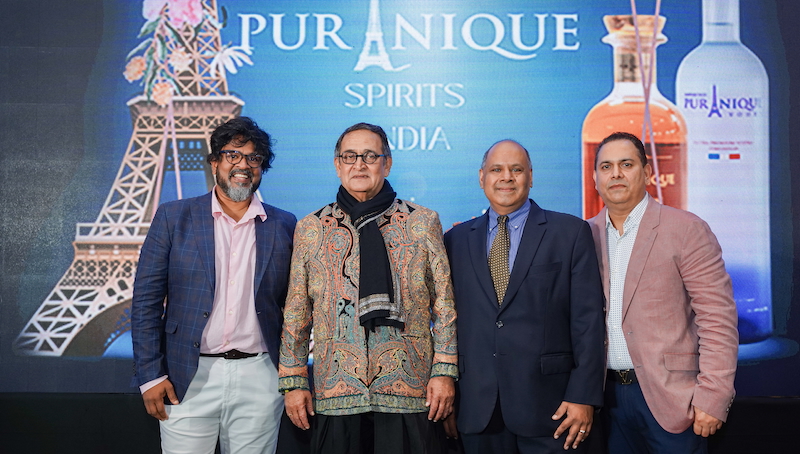
MUMBAI: India’s premium spirits market has a new player with continental ambitions. Puranique Spirits launched its Indian operations in Mumbai on 7 October with nine-times-distilled vodka and VSOP cognac, betting that the country’s growing appetite for luxury tipples will fuel rapid expansion. By the end of 2026, the company plans to offer 24 premium products across five categories.
The timing is strategic. India’s premium spirits segment is booming as disposable incomes rise and younger drinkers trade up from domestic brands. Puranique, which draws from distilleries in Cognac, France and the Scottish Highlands, hopes to ride that wave with products already sold in 18 countries. The company claims two decades of European distilling pedigree, producing award-winning cognac, armagnacs, liqueurs, gin, rum, absinthe and akvavit.
“India is at the heart of the global premium spirits growth story,” said Puranique Spirits India promoter & chief executive Anoop Mohan at the Taj Lands End launch event. He framed the expansion as a “cultural bridge” between European craftsmanship and Indian taste, name-checking deepening UK-India trade ties for good measure.

Puranique Spirits chairman Rahul Puranik struck a more measured note. “Bringing them to India feels like a natural progression in our journey,” he said, adding that the full portfolio rollout would create a “complete premium spirits ecosystem.”
Country head for India, Viren Moholkar promised “authenticity and unmatched quality” across 24 offerings spanning cognac, gin, rum, vodka and artisan craft spirits.
The company also unveiled veteran actor and filmmaker Mahesh Manjrekar as brand ambassador. Manjrekar delivered the expected platitudes about heritage, craftsmanship and refinement, declaring Puranique a brand that “doesn’t just create beverages, it creates experiences.”
Whether Indian consumers agree depends on pricing, distribution and whether European pedigree translates into repeat purchases.
India’s premium spirits market is crowded and unforgiving. International brands jostle for shelf space whilst domestic players like Diageo’s McDowell’s and Pernod Ricard’s Imperial Blue dominate volume. Puranique’s challenge is carving out enough premium territory to justify an ambitious 24-product pipeline within 16 months. The company’s European heritage may open doors, but execution—and taste—will determine whether it stays for the long haul.







Brands
Jubilant Foodworks to end Dunkin’ franchise in India
Pizza chain operator will not renew agreement when it expires at end of 2026.
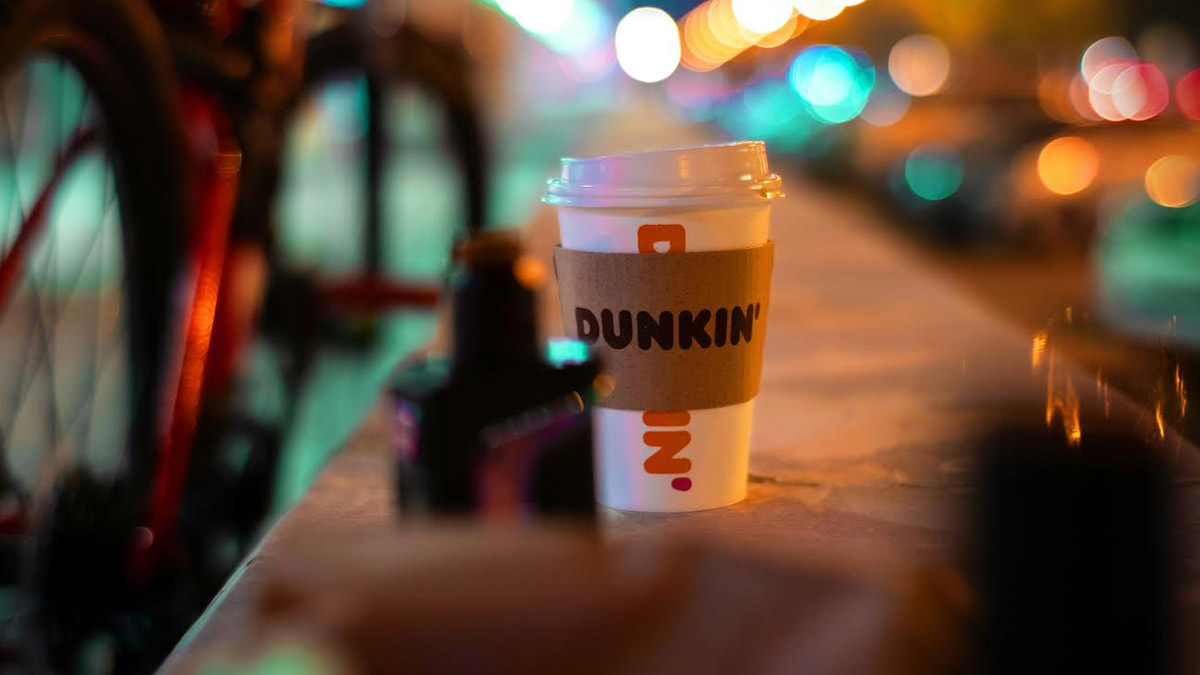
MUMBAI: When the doughnuts stop turning and the coffee goes cold, even a global giant like Dunkin’ can find the Indian market a tough brew to crack. Jubilant Foodworks has decided not to renew its franchise agreement with Dunkin’ when the pact expires on 31 December 2026, according to a Reuters report. The operator, best known for running Domino’s outlets in India, said it would evaluate options for its existing Dunkin’ stores, including a potential sale or transfer of franchise rights, in consultation with the US-based brand.
The decision follows years of underperformance in a market where local tastes and intense competition have made it difficult for international coffee-and-doughnut formats to gain traction. Jubilant, which has increasingly focused on its core pizza business and newer bets like Popeyes, indicated that the exit would not materially affect its financial or operational position.
Dunkin’ accounted for just 0.61 per cent of Jubilant’s revenue in the fiscal year ending 2025 and recorded a loss of approximately Rs 191 million, according to a regulatory filing. The company operated 27 outlets as of December 2025, having shuttered seven stores over the preceding year.
The retreat comes even as Jubilant’s broader business shows signs of momentum. The company reported a 65 per cent rise in quarterly profit for the October to December period, reaching Rs 70.9 crore, up from Rs 42.91 crore a year earlier.
For Jubilant, the exit reflects a sharpening strategic focus. For Dunkin’, it marks another setback in a market that has proven resistant to imported café concepts without significant localisation.
In the cut-throat world of Indian quick-service restaurants, sometimes the sweetest deals are the ones you quietly walk away from leaving more room for the brands that truly rise to the occasion.