MAM
Ethinos Digital Marketing names Pavan Kumar as chief data officer


NEW DELHI: Ethinos Digital Marketing (Ethinos) has named Pavan Kumar as its chief data officer.
Real-time analytics, digital strategy and consumer applications specialist Kumar brings in his decade-long experience in analytics, ML/AI, automation and customer life cycle management, along with other expertise in tools, techniques, technology, and delivery processes. He is also a machine learning, deep neural networks and transfer learning enthusiast. Most recently, he served as AVP at ‘Teletext India Limited’, where he worked on building automated insights and ML data pipeline Prior to this, he has worked on real-time, omnichannel engagement automation tools with decisive analytical systems as VP –solutions.
He will oversee the data management strategy at Ethinos. Kumar will align various initiatives, enable data analytics and data science capabilities across to support enforcement and policymaking, whilst also ensuring to support data management excellence to internal data, audits, evaluation and processing as a whole.

Ethinos Digital Marketing JMD Brijesh Munyal commented, “Data and analytics is the foundation of everything we do and plays a vital role in our success. We are incredibly excited to bring Pavan on board, he brings with him a wealth of experience and hands-on expertise in implementing data strategies. He and our existing expert team together will enable us to transform the perception of the ground through the convergence of data and technology.”
Kumar commented, “I am delighted to be joining Ethinos at this exciting time for the company and internet economy. I am looking forward to use my expertise in data management, analytics, and ML/AI while also enhancing data security.”





MAM
WPP appoints Estée Lauder’s Anne-Isabelle Choueiri as chief transformation officer
Former Estée Lauder executive to lead operations, technology and culture overhaul under WPP’s three-year growth plan
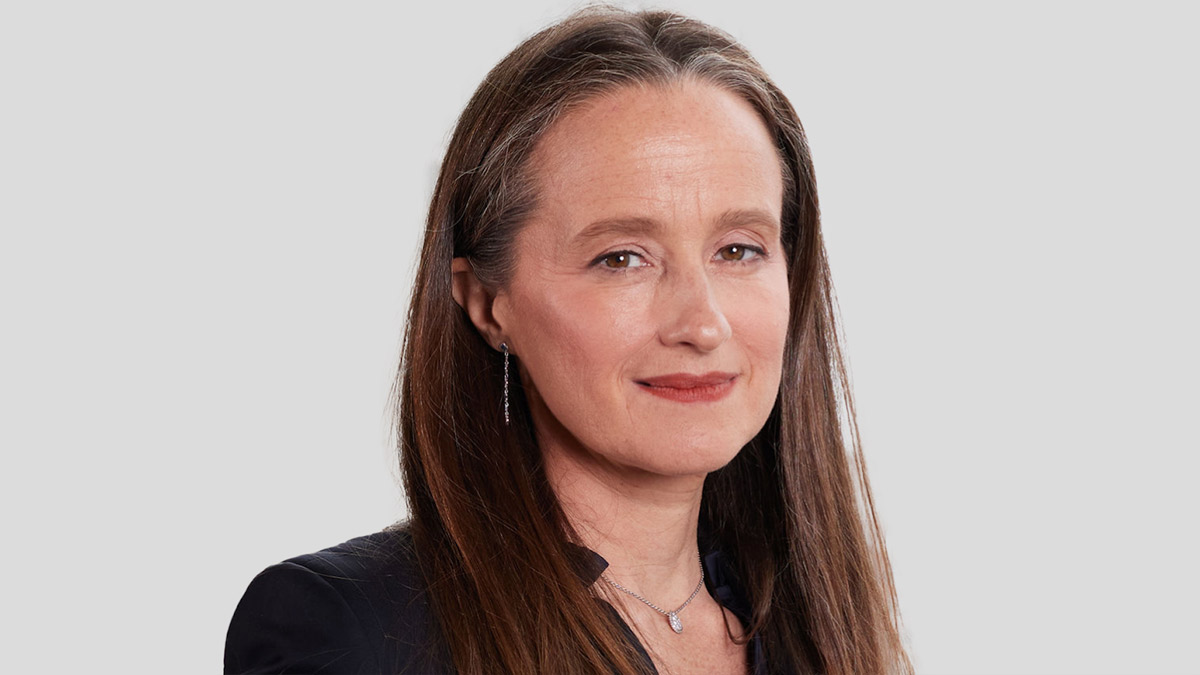
LONDON: WPP has appointed Anne-Isabelle Choueiri as chief transformation officer in a newly created role tasked with delivering the group’s Elevate28 strategy.
Choueiri joins from The Estée Lauder Companies, where she led enterprise-wide strategic initiatives, including the “One ELC” operating model and major upgrades to enterprise marketing, data and analytics capabilities. She also led the redesign of enterprise technology teams and served on the company’s AI taskforce, driving AI strategy, adoption and value realisation across the business.
At WPP, she will be responsible for designing, implementing and embedding the operating model behind Elevate28, the company’s three-year growth plan unveiled in February 2026. She will lead efforts to improve innovation, efficiency and integration across WPP’s client offerings, with a focus on delivering agile, outcome-driven solutions and measurable growth.
Choueiri will oversee organisational transformation across the group, working closely with product and enterprise technology teams to deploy AI, data and technology to build new capabilities and improve operational performance. She will also work with the people function to embed cultural change, strengthen an agile performance mindset and support talent development across the organisation.
Before joining Estée Lauder, she held senior roles across consulting and digital agencies, including at Accenture, Masaï (a Bain & Company spin-off), and Kearney, with experience spanning strategy, data and digital marketing transformation.
Cindy Rose, chief executive officer of WPP, said Choueiri brings a strong track record of leading large-scale transformation across operations, technology and culture, adding that her appointment will help accelerate the group’s next phase of growth under Elevate28.
Choueiri said WPP’s strategy represents an ambitious opportunity to reshape how the company operates and delivers for clients, adding that she looks forward to building integrated solutions and fostering a culture of innovation and change.
She will be based in New York and will join WPP’s executive committee.







