MAM
ENO unveils new TVC ‘Ab Acidity Kyu Sehna Jab ENO Hain Na’

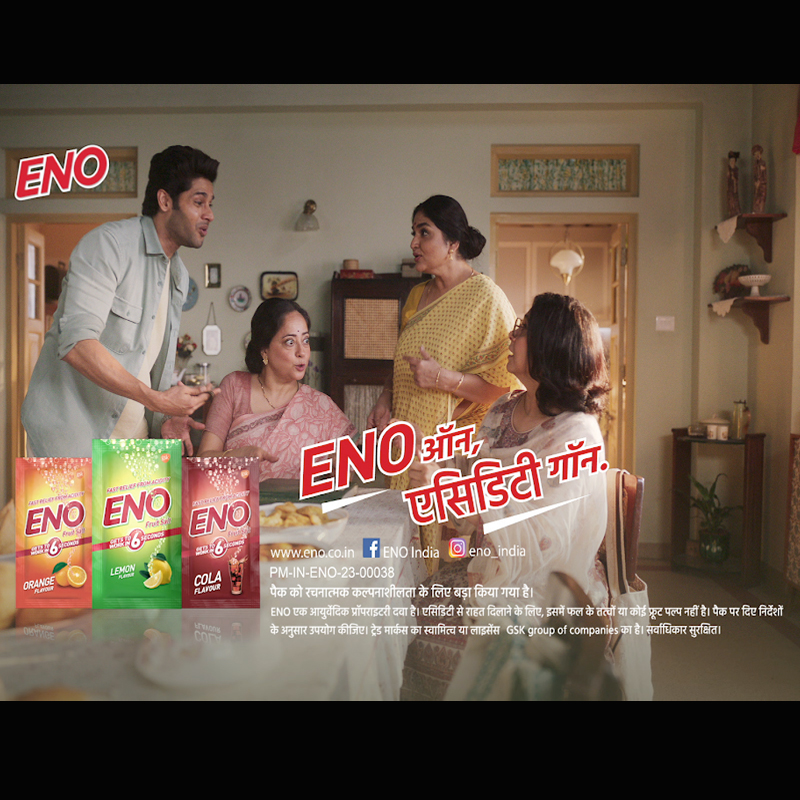
Mumbai: Eno, India’s antacid brand by Haleon (erstwhile GSK Consumer Healthcare) has launched its new TVC “Ab Acidity Kyu Sehna Jab ENO Hain Na”. The TVC captures how people often opt for home remedies for acidity issues even though it takes time to provide relief. Through the latest commercial the messaging is focused on choosing ENO as the first remedy for acidity relief vs. Home remedies which generally take time and thereby prolonging the suffering. The TVC is released nation-wide in 10 Major languages such as Hindi, Bengali, Assamese, Oriya, Marathi, Gujarati, Punjabi, Telugu, Tamil, and Kannada.
The TV commercial depicts a fun family gathering where the protagonist, pampered with different foods like Samosa and Pakoda by his aunts. The protagonist suddenly experiences acidity when his aunts are seen suggesting some home remedies to manage acidity even though generally they take time to provide relief. The mother of the protagonist challenges his prolonged suffering and instead offers ENO as a better solution because it gets to work in just six seconds.
Eno has roped in renowned TV actors for the advertisement to showcase a daily family situation, which will surely strike a chord with the audience for relatability and will help in brand recall value. Television industry veterans Sheeba Chadda is seen playing the role of Maasi and Supriya Pilgaonkar as the Bua of the protagonist.

Conceptualised by creative agency Ogilvy, the TVC has been shot by Hemant Bhandari, an acclaimed director, and co-founder of Chrome Pictures, known for producing award winning TV advertisements and feature films.
Commenting on the launch, Haleon BU marketing lead (Indian Subcontinent) Anurita Chopra said, “For generations, Indians have relied on home remedies, sometimes enduring prolonged discomfort as a necessary evil. However, ENO provides fast and effective relief, allowing consumers to enjoy their food, family moments, and fun without hindrance. We are confident that this new commercial will be well-received by our audience, as we eagerly welcome new consumers to our brand.”
Echoing this sentiment, Haleon ISC category lead for digestive health Kishlay Seth emphasised, “Our latest TV commercial highlights how acidity is a common issue in every household and it can lead to hindrance in enjoying family moments. With our new messaging ‘Ab Acidity Kyu Sehna Jab ENO Hai na, the film reassures the faith of customers in ENO to provide rapid relief from acidity ensuring a swift recovery, so you can bounce back and keep enjoying life.”
Speaking on the occasion, Ogilvy India (North) CCO Ritu Sharda said, “Food is our love language. However, this indulgence often leads to acidity. And as Indians, we tend to tolerate this discomfort, considering it normal. With this new campaign, starring well-known actors Sheeba Chadhha, Supriya Pilgaonkar, as an endearing pair of Maasi and Bua pampering Abhimanyu Dassani with food, ENO aims to change that perception: “Ab Acidity Kyu Sehna, Jab ENO hain Na!”
The new TVC by ENO, “Ab Acidity Kyu Sehna Jab ENO Hain Na,” will be broadcasted pan-India across various television channels, ensuring its reach to a wide audience. Additionally, it will be supported by a comprehensive digital and social media campaign to engage with consumers on digital platforms.

Brands
Vodafone Idea elevates Vineeth Jayendranath as VP, marketing head Mumbai
Telecom marketer takes charge of Mumbai circle with growth and brand focus
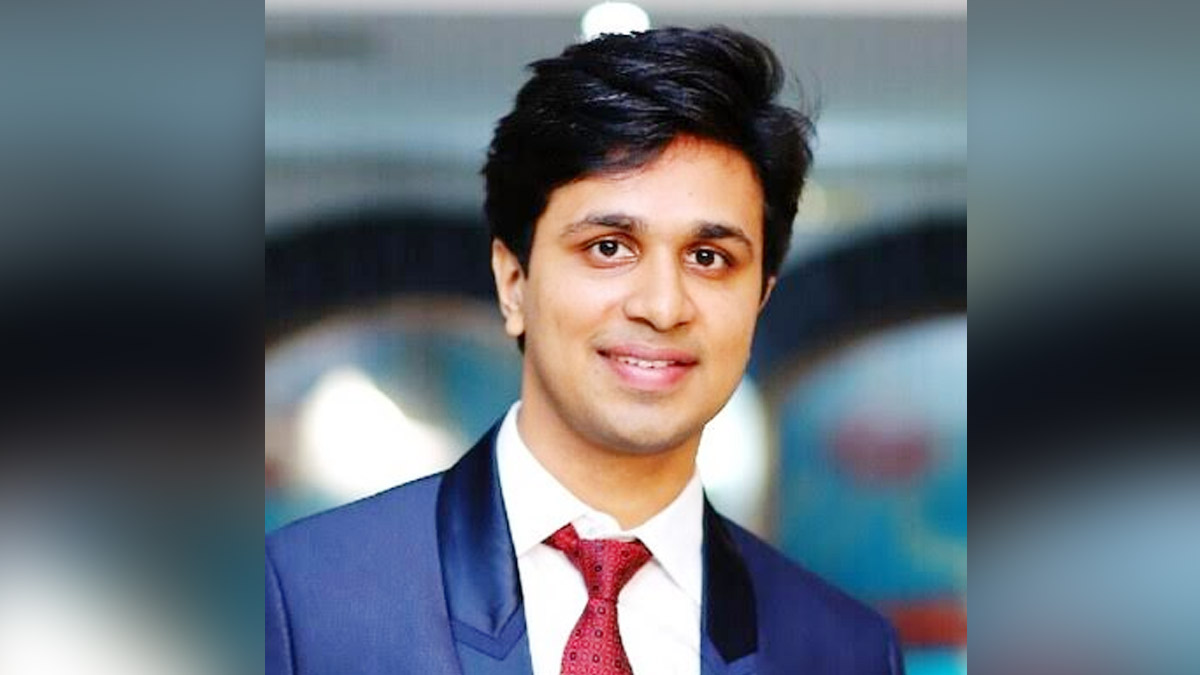
MUMBAI: Vodafone Idea Limited has promoted Vineeth Jayendranath to vice president, marketing head for the Mumbai circle, marking a key milestone in his career as the telecom operator sharpens its regional strategy.
In his new role, Jayendranath will lead marketing efforts across prepaid and postpaid segments in one of the country’s most competitive telecom markets. His mandate includes driving revenue growth, strengthening brand positioning, and deepening customer engagement, while also managing profit and loss responsibilities for the circle.
Sharing the update, Vineeth Jayendranath said, “Excited to share, I am starting my new stint as Vice President, Marketing Head for Mumbai circle at Vodafone Idea Ltd. Would like to thank everyone who has supported me in this journey.”
Jayendranath brings over 12 years of experience spanning telecom and IT, with a strong focus on customer value management and data-led marketing. Since joining Vodafone Idea, he has held multiple leadership roles, most recently serving as general manager leading customer value management and prepaid business across Gujarat, Maharashtra and Goa.
During this period, he handled large subscriber bases and multi-billion rupee revenue portfolios, while rolling out hyper-personalised campaigns and a “segment of one” strategy to improve customer retention and upgrades. He also championed a digital-first approach, pushing adoption of data services and unlimited plans through targeted, insight-driven initiatives.
Earlier, he worked with Idea Cellular Ltd in strategy and business intelligence roles, and began his career at Infosys as a systems engineer. A brief stint at Hyundai Motor India Ltd during his internship added early exposure to marketing strategy.
An alumnus of SVKM’s Narsee Monjee Institute of Management Studies, Jayendranath has steadily built a reputation for combining analytics with marketing execution.
His elevation comes as telecom players double down on circle-level strategies to stay competitive, and Vodafone Idea appears to be betting on data-backed marketing to keep Mumbai firmly in its corner.







