MAM
Emvies ’17 co-chief Sinha says it will celebrate high-impact campaigns that drove brand resonance

MUMBAI: The Advertising Club (TAC) India is all set for the 2017 edition of the much sought-after Emvies. There renowned and respected awards have been adjudged by a distinguished jury of around 211 industry leaders from across the country, establishing it as an award with one of the broadest an inclusive jury process.
The awards have thus continued to grow in scale and strength, emerging as the gold standard amongst media awards recognising path breaking brand campaigns and innovations. The awards are to be held on 13th October 2017 @ The St. Regis Mumbai with thought leaders from across the advertising and media fraternity expected to be attending the apex industry event.
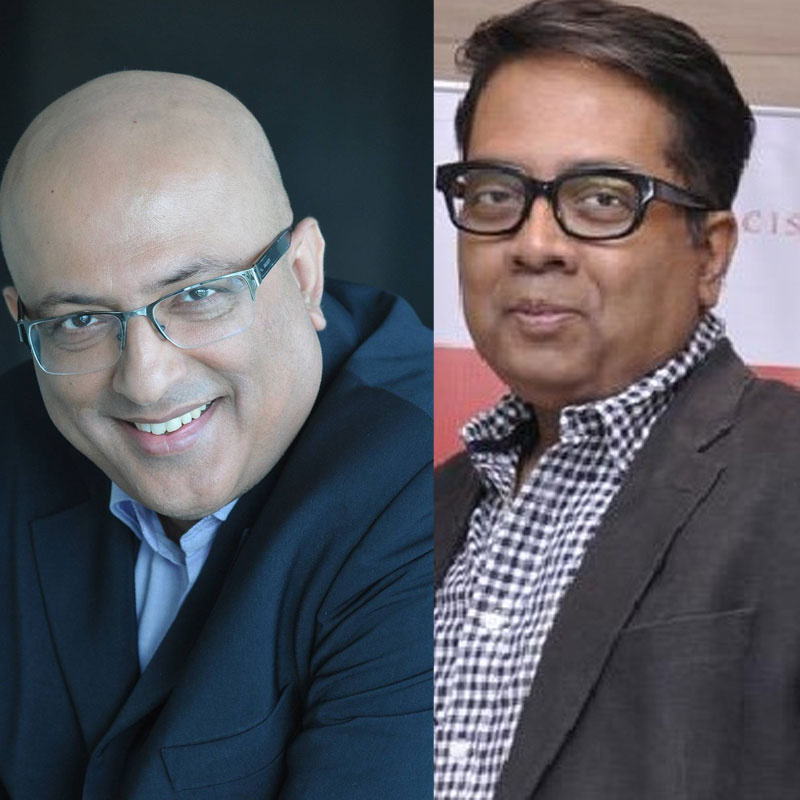
Speaking about the changing dynamics of campaigns and the importance of being relevant Punitha Arumugam, 2017 Awards chairman for Emvies said “One of the most trusted and coveted Awards in the category, the response to Emvies continues to scale with increased participation and representation from all industry stakeholders. India has been at the forefront to creating some ingenious campaigns that have showcased high effectiveness and fueled behavioral change. Emvies continues to be committed to lauding and recognising such pioneering communication stories that his delivered on its business and brand objectives.”

Elaborating further on the entries Partha Sinha, 2017 Awards Co-Chairman for Emvies said “The Emvies 2017 will once again celebrate ground-breaking and high impact media campaigns that have successfully contributed towards driving resonance for the brands.”
Speaking of the awards in his first year as President of the Advertising Club, Vikram Sakhuja said “The Ad Club believes in promoting Excellence in the field of Advertising & Marketing, and the Emvies are and remain the Gold Standard of Media Excellence. I would like to commend the jury comprising Agencies, Media and Advertisers in selecting the transformational work.”







MAM
Beacon Group appoints Dr Rajesh Patel as Group CEO
36-year healthcare veteran to lead Beacon Diagnostics, Vector Biotek, Biogeny.
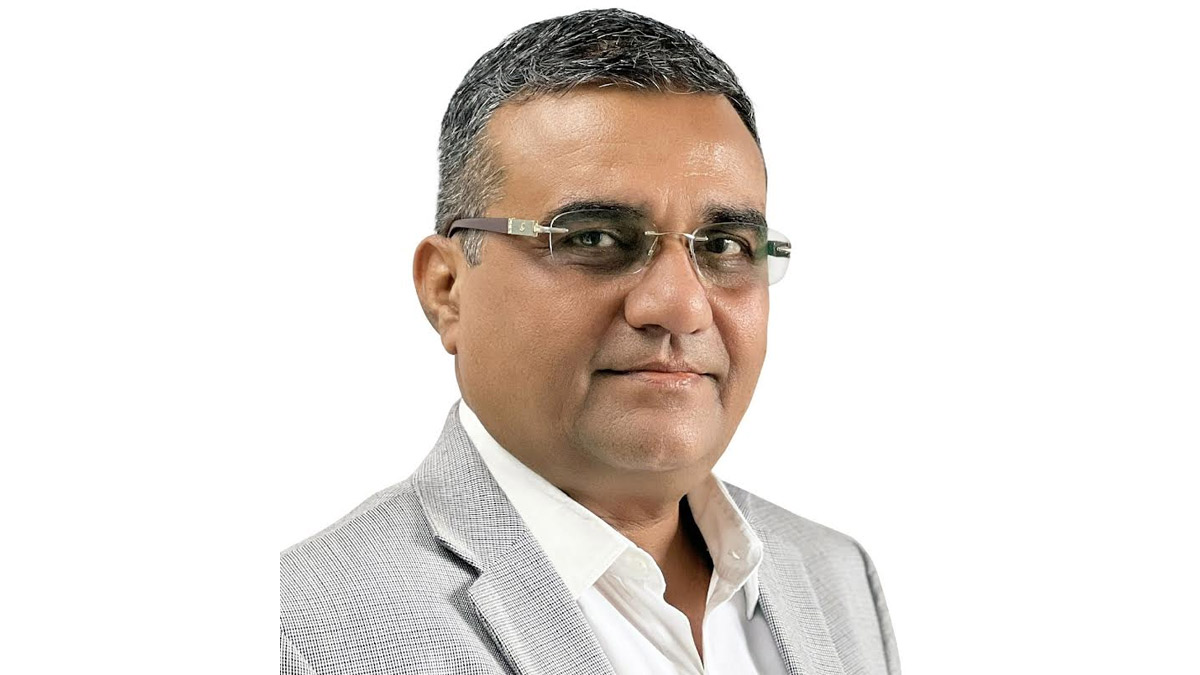
MUMBAI: A new chief, a fresh diagnosis and a sharper prescription for growth. Beacon Group has appointed Dr Rajesh Patel as its Group Chief Executive Officer, effective April 1, 2026, signalling a decisive push to scale its presence in the diagnostics and IVD space. Patel steps into the role with 36 years of experience across the healthcare and diagnostics industry, bringing a career shaped by leadership roles spanning sales, marketing, business development and operational strategy. His mandate is both expansive and precise: to steer the group’s overall strategic direction while tightening coordination across its three core entities Beacon Diagnostics, Vector Biotek and Biogeny Diagnostics.
In practical terms, that means driving cross-company synergies, accelerating market expansion and strengthening organisational capability areas increasingly critical as diagnostic players compete for scale in a fragmented yet rapidly evolving healthcare ecosystem. The group is positioning itself to capture unmet demand across chain laboratories, key accounts and standalone labs, segments that remain underserved despite growing diagnostic needs.
The appointment comes at a time when the In Vitro Diagnostics (IVD) sector in India is entering a more competitive and innovation-led phase, with companies focusing not just on product pipelines but also on service delivery, integration and customer-centric models. Beacon’s leadership appears to be betting that Patel’s execution-focused approach can help translate ambition into operational momentum.
Welcoming the appointment, Chairman Dr D K Joshi described Patel’s induction as a strategic move aligned with the group’s long-term vision, emphasising the role of leadership depth in navigating the next phase of growth.
For Beacon Group, the message is clear, in a sector where precision matters, leadership is the new differentiator—and this appointment is intended to set the tone for what comes next.






