MAM
Emotional & purposeful marketing: A timeless strategy for today and the future

In the frenetic marketplace of the 21st century, brands often appear as beacons in a storm, competing for the fleeting attention of distracted consumers. Yet, the brands that achieve true success don’t merely amplify their volume-they strike a chord. Much like an artist blending hues on a canvas, these brands tap into the rich spectrum of human emotions, crafting experiences that are felt as deeply as they are seen.
Imagine walking into a bookstore. Among the hundreds of titles, a particular cover catches your eye. It isn’t the most vibrant or ostentatious, but something about it resonates with you. Perhaps it’s the familiar scene depicted on the cover, evoking a childhood memory, or the author’s name, which stirs a sense of recognition. In that moment, you’re not merely a customer; you’re someone forging an emotional connection with the brand.
The shifting sands of customer psychology:

Gone are the days when consumers based their choices solely on a product’s utility. Today, we observe a significant shift in customer psychology, necessitating deeper engagement from brands. This shift is not merely a consequence of increased information access or the rise of digital natives; it represents a cultural evolution. Consumers have transitioned from passive recipients to active participants in brand narratives.
In our current era, authenticity has become the new currency. Amidst the deluge of information, trust is a precious commodity-easily earned but quickly lost. Today’s consumers, particularly younger generations, excel at detecting insincerity. They demand transparency and alignment with their values. Consequently, brands that champion causes such as sustainability, social justice, or mental health find themselves at the heart of vibrant consumer communities.
Emotional marketing revolves around forging a profound emotional bond between the brand and the consumer. By leveraging emotions—such as joy, nostalgia, fear, or excitement-brands can influence purchasing decisions. To harness emotional marketing effectively, brands must delve deeply into their target audience’s emotional triggers. This involves understanding not just demographic details but also psychological aspects like values, fears, aspirations, and pain points.
The science behind emotional marketing
To truly grasp emotional marketing, we must explore the science underpinning it. Emotional marketing engages the brain’s handling of emotions and decisions. When encountering something new, it first reaches the amygdala-the brain’s emotion centre-before proceeding to the neocortex, where rational thought occurs. A potent emotional trigger can lead to an “amygdala hijack,” where intense emotions such as joy, stress, or excitement override rational thought. By employing positive emotional triggers, brands can encourage consumers to explore new products or overcome hesitation.
Is emotional marketing a new trend?
In reality, emotional marketing has long been a cornerstone of successful campaigns. What’s changed today is our heightened awareness and the strategic precision with which it’s applied. Iconic brands like Coca-Cola and Nike have long mastered the art of evoking emotions like joy, nostalgia, and belonging. The evolution lies in our ability to analyse and leverage these emotional triggers more effectively, thanks to advances in data analytics and psychological insights.
Emotional marketing permeates the entire customer journey, from brand messaging to sales and even post-purchase experiences. It’s based on the principle that the emotions you instil in your customers create lasting impressions, leading to future brand recall when they encounter similar situations.
Far from being just another trend, emotional and purposeful marketing forms the backbone of a solid brand strategy. Though it may not always be visible, it’s crucial for long-term success. Brands that focus on creating genuine emotional connections and aligning with meaningful causes build a strong foundation of trust and loyalty.
The marketplace is continuously evolving and these practices only make the brand a true winner. A culmination of many strategies when put together serves a great brand recall. These fundamental elements will enable brands to distinguish themselves and maintain relevance. Ultimately, it is this grounded approach that ensures a brand’s endurance and impact in an ever-changing world.
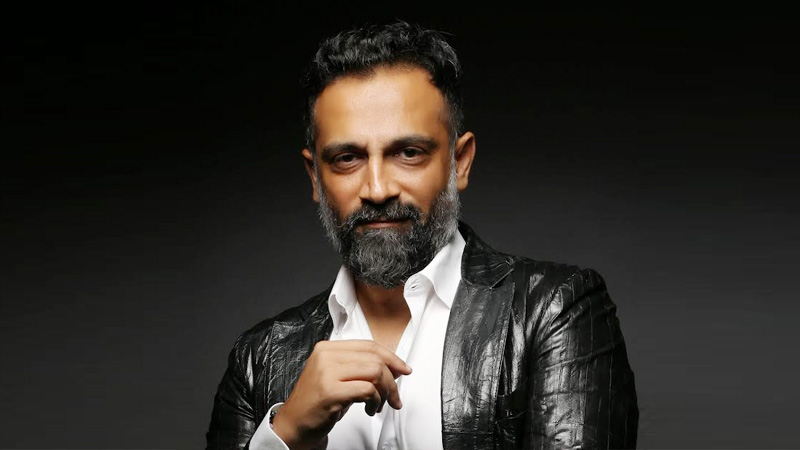
The article has been authored by Boch & Fernsh founder and creative business head Chirag Shah.


MAM
8PM Packaged Drinking Water named Lead Trouser Sponsor for Sunrisers Hyderabad
Brand partners with IPL team for 2026 season with campaign ‘Rise in Orange, Celebrate with Black’.
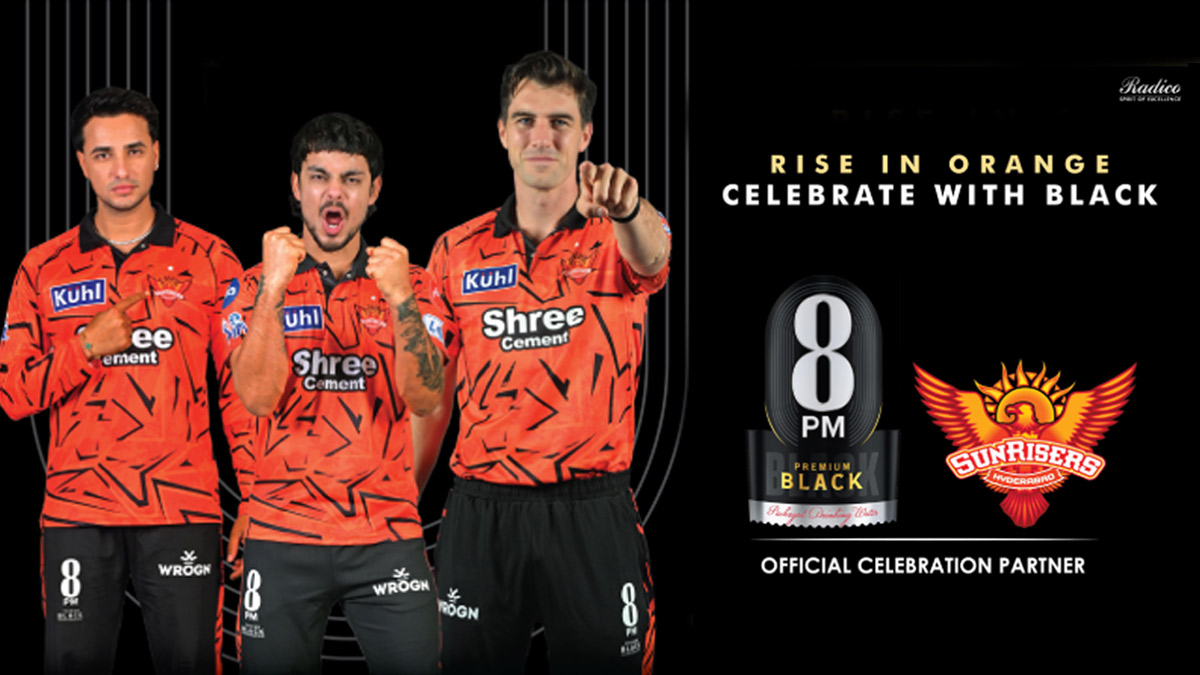
MUMBAI: 8PM Packaged Drinking Water has found a clever way to stay in the game by hitching its wagon to one of cricket’s most exciting teams. The brand from Radico Khaitan Limited has announced its association with Sunrisers Hyderabad as the Lead Trouser Sponsor for India’s Premier Cricket League 2026. The partnership will see 8PM Packaged Drinking Water gain prominent visibility during the high-energy tournament.
To mark the collaboration, the brand has launched the campaign thought “Rise in Orange, Celebrate with Black.” The idea cleverly links the on-field intensity of Sunrisers Hyderabad’s iconic orange jersey with the off-field celebrations powered by 8PM Premium Black Packaged Drinking Water.
Radico Khaitan Limited chief marketing officer Kunal Madan said, “We are delighted to be associated with Sunrisers Hyderabad for the 2026 season. With the league’s unmatched reach and the team’s strong fan following, this is a great opportunity to connect meaningfully with consumers across the country.”
Sunrisers Hyderabad enters the season with a formidable lineup featuring players such as Abhishek Sharma, Ishan Kishan, Travis Head, and Pat Cummins, making it one of the most watched teams this year.
A spokesperson from Sunrisers Hyderabad added, “We are pleased to welcome 8PM Packaged Drinking Water to the Sunrisers family. This association brings together shared values of energy, resilience, and excellence.”
The partnership underscores Radico Khaitan’s strategy of aligning with marquee sporting platforms to build contemporary, consumer-centric brands. By tapping into the emotional connect and massive viewership of the league, 8PM aims to deepen engagement and strengthen brand affinity during the cricket season.
In the fiercely competitive world of Indian cricket sponsorships, 8PM has chosen to play it smart, pairing the thrill of orange with the cool refreshment of black. As Sunrisers Hyderabad prepare for another exciting season, the brand is set to ride the wave of passion, performance, and celebration.







