Brands
Elitecon International appoints former IRS veteran Susanta Kumar Panda as independent director

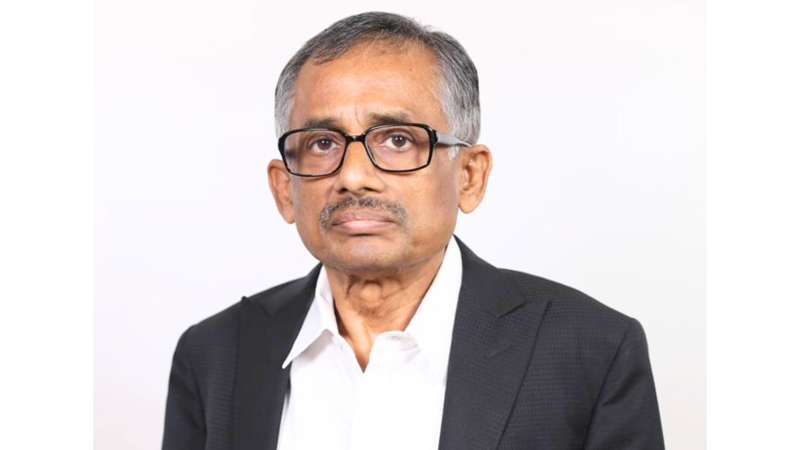
NEW DELHI: Elitecon International is tightening its governance screws. The BSE-listed FMCG group has appointed Susanta Kumar Panda, a retired Indian Revenue Service officer, as an independent director on its board, signalling a sharper focus on compliance, oversight and boardroom rigour as the company expands at home and abroad.
The move brings nearly four decades of tax and regulatory firepower into the boardroom. Panda previously served as a member of the Central Board of Indirect Taxes and Customs and as special secretary to the Government of India. His career spans senior roles across the Enforcement Directorate and the Customs, Excise and Service Tax Appellate Tribunal, giving him deep grounding in indirect taxation, enforcement and compliance frameworks.
Elitecon is betting that such experience will bolster board processes, audit oversight and regulatory compliance — areas under growing investor scrutiny for listed consumer companies with cross-border ambitions.

Vipin Sharma, managing director of Elitecon International, said, “We are pleased to welcome Susanta Kumar Panda to our board as an independent director. His deep understanding of fiscal governance, regulatory compliance and public administration will add significant value to Elitecon’s governance framework and support our long-term growth objectives.”
The appointment adds heft to the company’s push for stronger board independence and governance depth. For a firm operating in a tightly regulated FMCG and tobacco landscape, regulatory literacy is not a luxury but a shield.
Founded in 1987 as Kashiram Jain & Company, Elitecon International is listed on the BSE and runs a diversified FMCG and tobacco portfolio. With more than three decades in manufacturing and trading, it operates across domestic and international markets, backed by scalable production.
As Indian consumer companies grow bigger and more global, the boardroom is becoming as strategic as the marketplace. Elitecon’s latest hire suggests it wants fewer surprises, tighter controls and a steadier hand on the regulatory tiller — because in today’s markets, governance can be as valuable as growth.




Brands
Vodafone Idea elevates Vineeth Jayendranath as VP, marketing head Mumbai
Telecom marketer takes charge of Mumbai circle with growth and brand focus
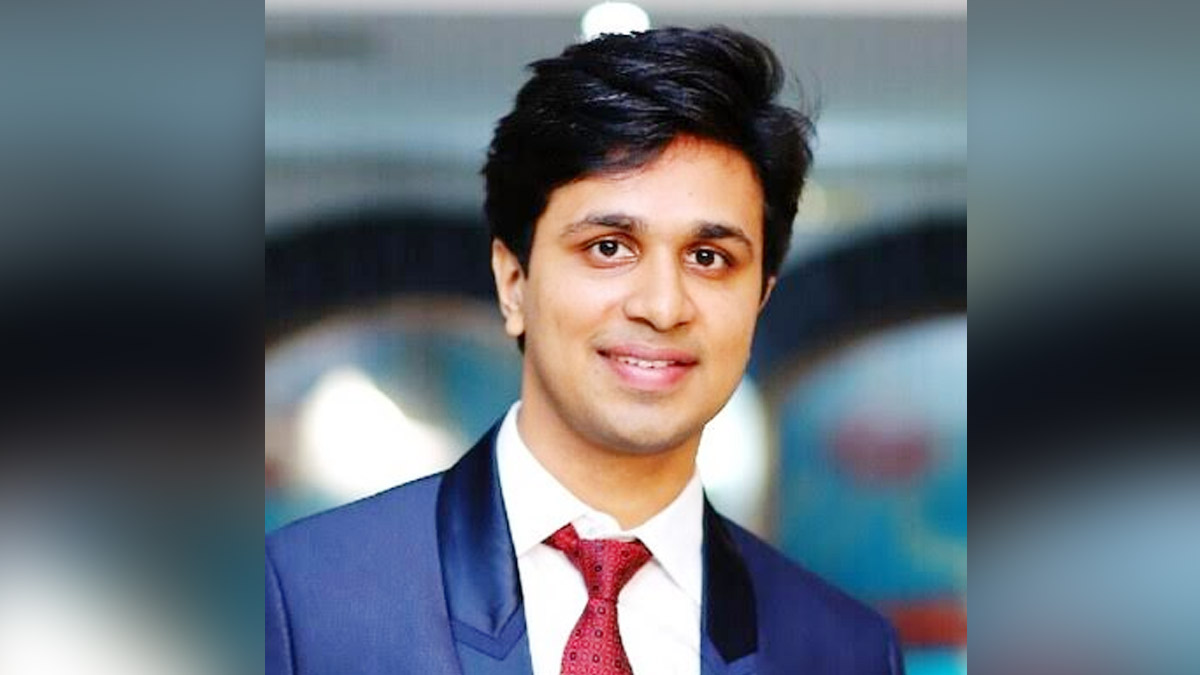
MUMBAI: Vodafone Idea Limited has promoted Vineeth Jayendranath to vice president, marketing head for the Mumbai circle, marking a key milestone in his career as the telecom operator sharpens its regional strategy.
In his new role, Jayendranath will lead marketing efforts across prepaid and postpaid segments in one of the country’s most competitive telecom markets. His mandate includes driving revenue growth, strengthening brand positioning, and deepening customer engagement, while also managing profit and loss responsibilities for the circle.
Sharing the update, Vineeth Jayendranath said, “Excited to share, I am starting my new stint as Vice President, Marketing Head for Mumbai circle at Vodafone Idea Ltd. Would like to thank everyone who has supported me in this journey.”
Jayendranath brings over 12 years of experience spanning telecom and IT, with a strong focus on customer value management and data-led marketing. Since joining Vodafone Idea, he has held multiple leadership roles, most recently serving as general manager leading customer value management and prepaid business across Gujarat, Maharashtra and Goa.
During this period, he handled large subscriber bases and multi-billion rupee revenue portfolios, while rolling out hyper-personalised campaigns and a “segment of one” strategy to improve customer retention and upgrades. He also championed a digital-first approach, pushing adoption of data services and unlimited plans through targeted, insight-driven initiatives.
Earlier, he worked with Idea Cellular Ltd in strategy and business intelligence roles, and began his career at Infosys as a systems engineer. A brief stint at Hyundai Motor India Ltd during his internship added early exposure to marketing strategy.
An alumnus of SVKM’s Narsee Monjee Institute of Management Studies, Jayendranath has steadily built a reputation for combining analytics with marketing execution.
His elevation comes as telecom players double down on circle-level strategies to stay competitive, and Vodafone Idea appears to be betting on data-backed marketing to keep Mumbai firmly in its corner.







