MAM
Effies adds 3 categories to roster


MUMBAI: The Ad Club Bombay has received 276 entries for the marketing and communication awards – Effie Awards 2010. Ad Club claims that this is the highest ever since Effie became part of the India Advertising Festival.
Last year 148 advertising agencies had sent their entries for the awards.
One of the main reasons behind the surge in entries might be the fact that for the 2010 edition, Effie has introduced three new categories and various sub-categories for three of the existing ones.

“These changes enlarged the scope for the players, which might have led to the rise in the number of entries,” says Lodester Universal CEO Shashi Sinha.
Retail, Healthcare and David v/s Goliath are the new categories added to the Effie 2010 roster.
David v/s Goliath has been introduced to recognise new or emerging brands and companies who moved into a new product and service field with large, well-established competitors.
For consumer products the sub-categories are Cosmetics and toiletries, Beverages / drink, confectionary and food and Others, which include apparel / textiles, personal gift items, tobacco, personal hygiene, footwear books and periodicals, stationery and accessories.
Similarly, for Consumer Durables the sub-categories are automobiles and auto parts, two wheelers and auto related and Others, which include television, stereo and other musical equipment, audiovisual equipment, calculators and computers.
The new sub-categories for Services are telecom and related products, Financial services, including banking and insurance etc., and Others including public utilities, marketing communications, services, media, entertainment and customised software.
The Ad Club Bombay will organise the Effie Awards on 7 December in Mumbai.






MAM
Happy Pawdcast launches merchandise with The Souled Store
Season 2 success leads to co-branded line celebrating pet-parent bond.
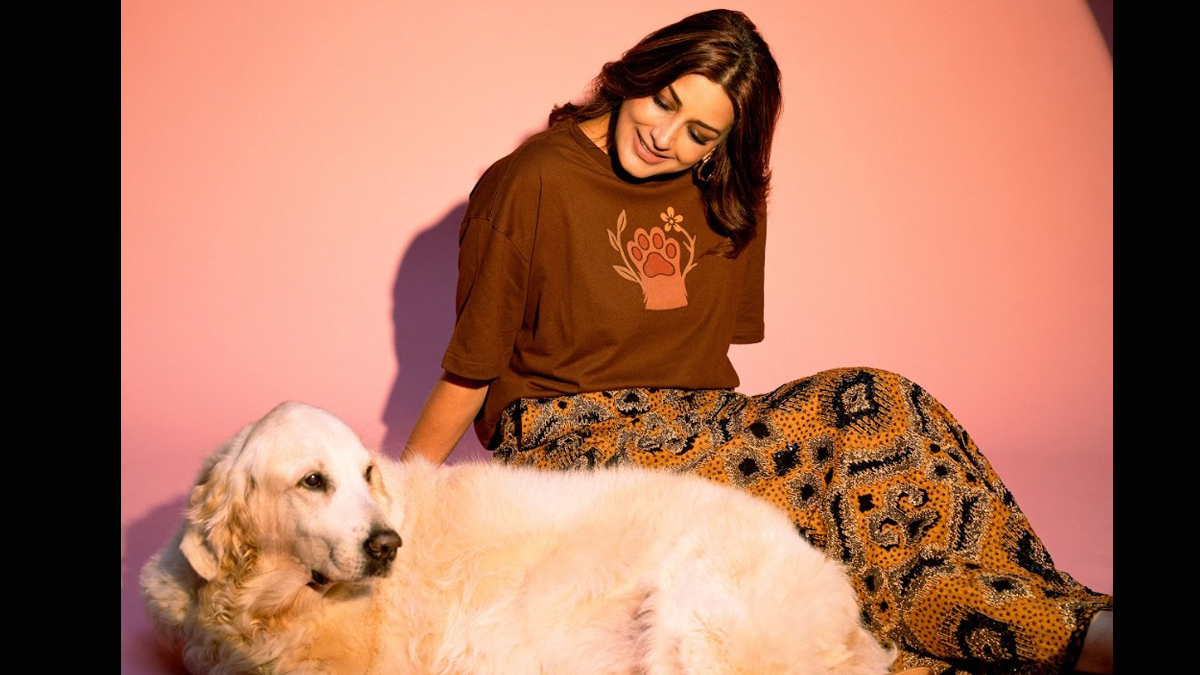
MUMBAI: The Happy Pawdcast just gave fans something to wag their tails about because when your favourite pet show gets merch, even the couch starts feeling like a runway. Building on the momentum of Season 2 which reached over 14 million pet lovers, clocked more than 20,000 hours of content consumption and engaged over 23,000 users, The Happy Pawdcast has teamed up with The Souled Store for an exclusive co-branded merchandise collection. The line translates the podcast’s emotional core into wearable designs that celebrate the everyday bond between pets and their parents.
Hosted by Sonali Bendre and Icy Behl, Season 2 featured candid conversations with celebrity pet parents including Remo D’Souza, Diana Penty, Kubbra Sait, Rohan Joshi, Karan Wahi, Tusshar Kapoor and Amala Akkineni. The episodes tackled responsible adoption, stray welfare, pet emotional well-being and debunked common care myths, earning strong resonance across digital platforms.
Sonali Bendre said, “Season 2 reaffirmed how deeply people connect with stories around pets, responsibility, and companionship. This collaboration with The Souled Store is a natural extension of that bond, taking the conversations beyond the screen and turning shared emotions into something tangible for pet parents.”
Rose Audio Visuals head of marketing & branded content Megha H Desai added, “With Season 2, The Happy Pawdcast evolved from a content property into a strong, community-led IP. The collaboration with The Souled Store reflects our approach to building meaningful extensions around our shows where audience insight, brand alignment, and scale come together.”
The Souled Store co-founder Vedang Patel noted, “Pet parenting today is as much about identity and expression as it is about care and responsibility. This collaboration allowed us to tap into a deeply engaged, emotionally invested community and co-create designs that feel authentic and accessible.”
Produced by Rosepod (the podcasting division of Rose Audio Visuals), the merchandise marks the podcast’s shift from audio-video content into a broader lifestyle IP, while aligning with The Souled Store’s focus on pop-culture-led, community-first products and its animal welfare initiatives through World For All.
In a pet-parent world where love often comes with a leash and a hoodie, The Happy Pawdcast isn’t just telling stories anymore, it’s letting fans wear them, proving the bond between humans and their fur-babies deserves more than likes, it deserves to be flaunted.