Brands
EatQual: McDonald’s new packaging for the specially-abled

NEW DELHI: Back in the noughties, McDonald’s as a brand was the great Indian equaliser. The brand was in dire straits after failing to win over Indian consumers whose palates and wallets were used to the taste and inexpensiveness of samosa, vada pao and chaat; so, McDonald’s switched gears and positioned itself as a super-pocket-friendly global chain. This immediately made a mark on the aspirational middle class, and the products’ price point – starting at only Rs 20 – was a big hit across demographics.
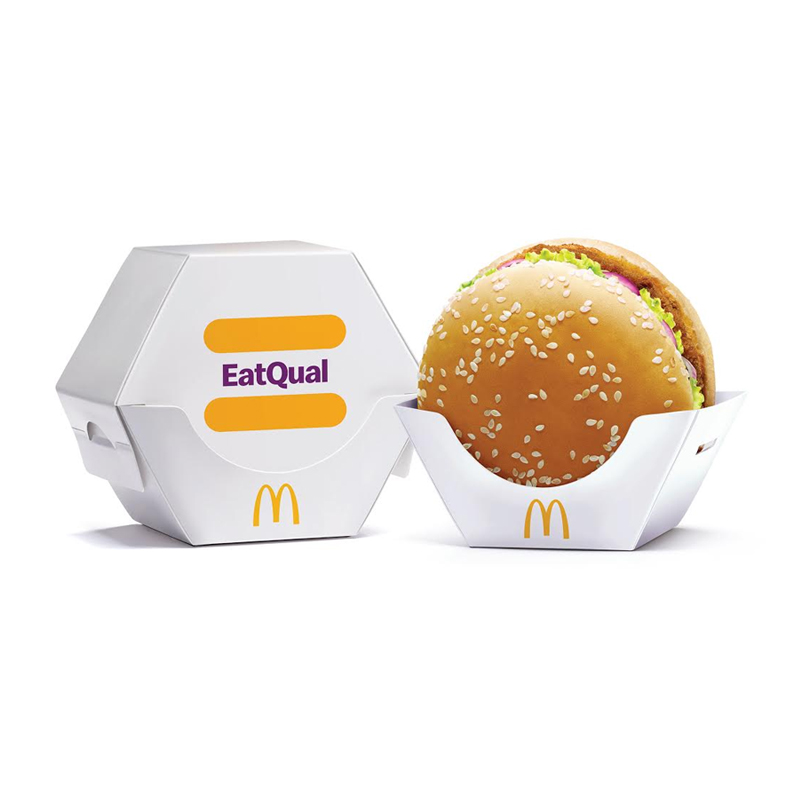
Now, on the occasion of International Day of Persons with Disabilities, the fast food chain is doing something unique and in line with its egalitarian ethos. McDonald’s India west and south will be launching a new packaging – EatQual – designed for its specially-abled customers. The EatQual pack has been developed over months of collaboration with an NGO that has been working towards the betterment of the specially-abled community for over 50 years.
EatQual will be available across McDonald’s restaurants in west and south India starting mid-December.

The new packaging innovation stems from the insight that the current packaging typically requires customers to use both their hands to truly enjoy the delicious McDonald’s burgers. This makes it difficult for those with upper-limb disabilities. EatQual will address this challenge and ensure that everyone can bite into their favourite burgers just as easily.
McDonald’s India (west and south) director – marketing & communications Arvind RP said, “It has always been our endeavour to make delicious feel-good moments easy for everyone. The launch of this EatQual packaging is a step to further our commitment towards inclusiveness and social responsibility. We hope that this packaging will make the McDonald’s experience easy and delightful for our specially-abled customers.”
DDB Mudra Group India NCD Rahul Mathew said, “Equality and inclusivity isn’t always about the big things. It’s also about being able to do the little everyday things like everyone else can; eating your favourite McDonald’s burger, for instance. And that has been the guiding force behind the EatQual initiative. How can we make the McDonald’s experience just as enjoyable for all.”
Food accessibility is the bare minimum necessity for every individual including the ones with upper arm movement disability, and innovations like these can make eating so much easier for them, said Vaishali Kolhe associate professor at the Centre for Disability Studies and Action & Tata Institute of Social Sciences, Mumbai. “It is heartening to see an iconic brand like McDonald’s take initiatives to maintain inclusion at their restaurants. Through initiatives like these, we are not doing these individuals a favour but making their experience of eating independent and enjoyable. I look forward to enjoying my favourite McDonald’s burger in the new EatQual pack.”
McDonald’s restaurants in West and South India are owned and operated by Westlife Development Ltd under its wholly owned subsidiary – Hardcastle Restaurants Pvt Ltd.




Brands
RPSG’s Sudhir Langer exits days before IPL 2026
Timing sharpens focus on stake sale buzz and LSG’s tightening financial playbook
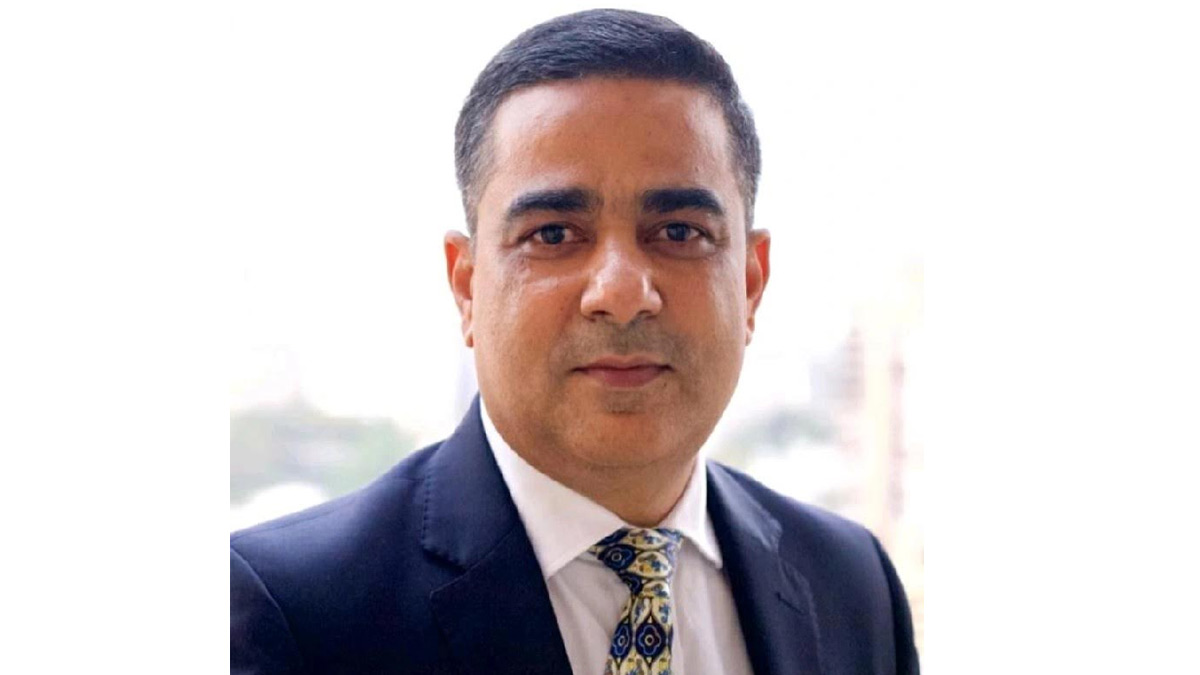
MUMBAI: RPSG ( RP-Sanjiv Goenka) Ventures has sprung a late leadership surprise just as the IPL drumroll begins. Sudhir Langer will step down as whole-time director and from the board effective March 31, days after the 2026 Indian Premier League season kicks off on March 28.
The timing is hard to ignore. RPSG Ventures owns Lucknow Super Giants, and Langer’s exit lands in a narrow pre-tournament window when operational focus is typically at its peak.
The move also coincides with chatter around a potential stake sale. According to a Moneycontrol report, the RPSG Group, led by Sanjiv Goenka, is exploring options to offload up to a 15 per cent stake in the franchise. There has been no official confirmation.
RPSG had acquired the Lucknow franchise in November 2021 for Rs 7,090 crore, among the highest bids in IPL history. The team operates under RPSG Sports Private Limited and carries a sizeable annual franchise fee obligation of Rs 709 crore through FY31.
Financials underline both scale and strain. The franchise remains heavily reliant on central revenue distribution from the Board of Control for Cricket in India. In H1 FY26, it received Rs 399 crore as its share of franchise rights, compared with Rs 458 crore in FY25, the single largest contributor to income.
Total revenue for H1 FY26 stood at Rs 495.9 crore, with profit at Rs 63.7 crore. Yet FY25 saw a softer showing: revenue fell about 20 per cent to Rs 557 crore, weighed down by fewer matches and a lower league finish in the 2024 season. Growth has since been modest, with H1 FY26 revenue rising roughly 3 per cent year on year.
That leaves LSG balancing on a familiar IPL tightrope: strong central inflows, volatile on-field-linked earnings and a hefty fixed fee burden.
With a leadership exit, stake-sale speculation and a new season about to begin, Goenka’s cricket bet is entering a decisive phase—where timing, performance and capital strategy will all have to click.








