MAM
EaseMyTrip takes flight with charter deal

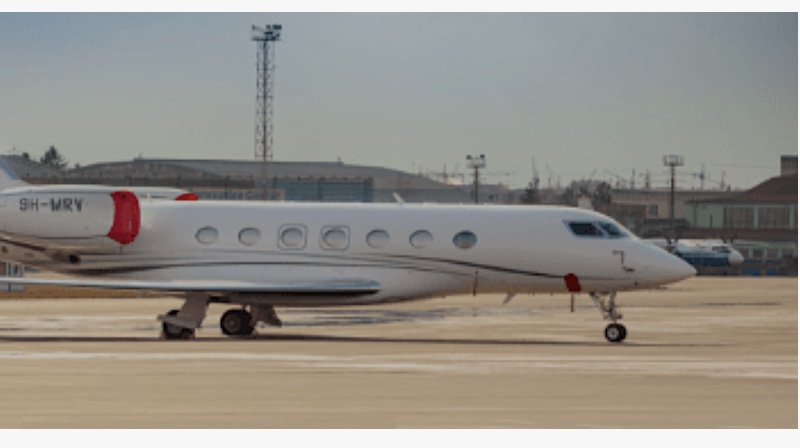
MUMBAI: EaseMyTrip.com, one of India’s leading online travel platforms, is spreading its wings. The board has given in-principle approval to acquire a 49 per cent stake in Big Charter, a key player in India’s charter aviation sector.
This sky-high ambition marks EaseMyTrip’s first major foray into the rapidly expanding charter and non-scheduled aviation market, enabling the company to offer more bespoke, premium and flexible air travel options.
India’s charter aviation industry, currently valued at approximately $650.5 million, is projected to soar to $1.14 billion by 2033. This growth is expected to be fuelled by increasing demand for regional connectivity, corporate travel and private flying. Globally, the sector is experiencing exceptional turbulence—the good kind—with projections indicating a market value exceeding $33 billion by 2033.

The proposed acquisition strengthens EaseMyTrip’s position as a comprehensive travel provider, enabling the company to capitalize on high-margin segments. As corporate clients, high-net-worth individuals and event travellers increasingly charter their own course through the skies, EaseMyTrip is positioning itself to cash in on the trend.
By integrating its cutting-edge technology into Big Charter’s existing operations, the company aims to make the booking process smoother than a first-class landing.
Big Charter has established itself as a leader in regional connectivity, serving clients across India. In FY 2023-24, the company generated Rs 128.75 crore (approximately $15.5 million) in revenue, with significant growth potential as demand for regional and charter services continues to climb.
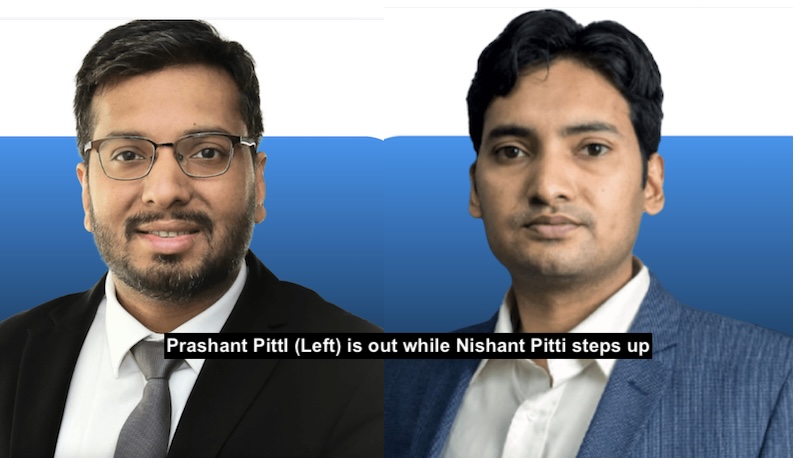
EaseMyTrip chairman & founder Nishant Pitti said: “This partnership is a crucial step toward making charter air travel more accessible across India. By combining EaseMyTrip’s cutting-edge technology with Big Charter’s established expertise, we are poised to revolutionise the way air travel is experienced. The integration of their non-scheduled operator permit (NSOP) operations will allow us to cater to a wider range of premium customers, further solidifying our commitment to driving the growth of India’s charter aviation market.”
Big Charter director Sanjay Mandavia is equally pleased about the deal. “Partnering with EaseMyTrip marks a transformative moment for us. Leveraging EaseMyTrip’s technological expertise and vast customer base will accelerate our growth, expand our reach, and enhance the efficiency of our services,” he notes. “Together, we are positioned to offer a more accessible and seamless travel experience, strengthening our mission to provide affordable, reliable, and high-quality travel options across India.”
With this strategic acquisition, EaseMyTrip is set to become a formidable player in the Indian charter aviation market, offering an expansive suite of travel services. This move not only positions the company for long-term growth but also contributes to bringing accessible and flexible air travel options to more people across the country—ensuring that the sky is certainly not the limit.



Brands
Centrum taps into daily fatigue with new Har Din Ko Kar Recharge campaign
New film highlights how a quick nutrient boost can turn everyday tiredness into energy
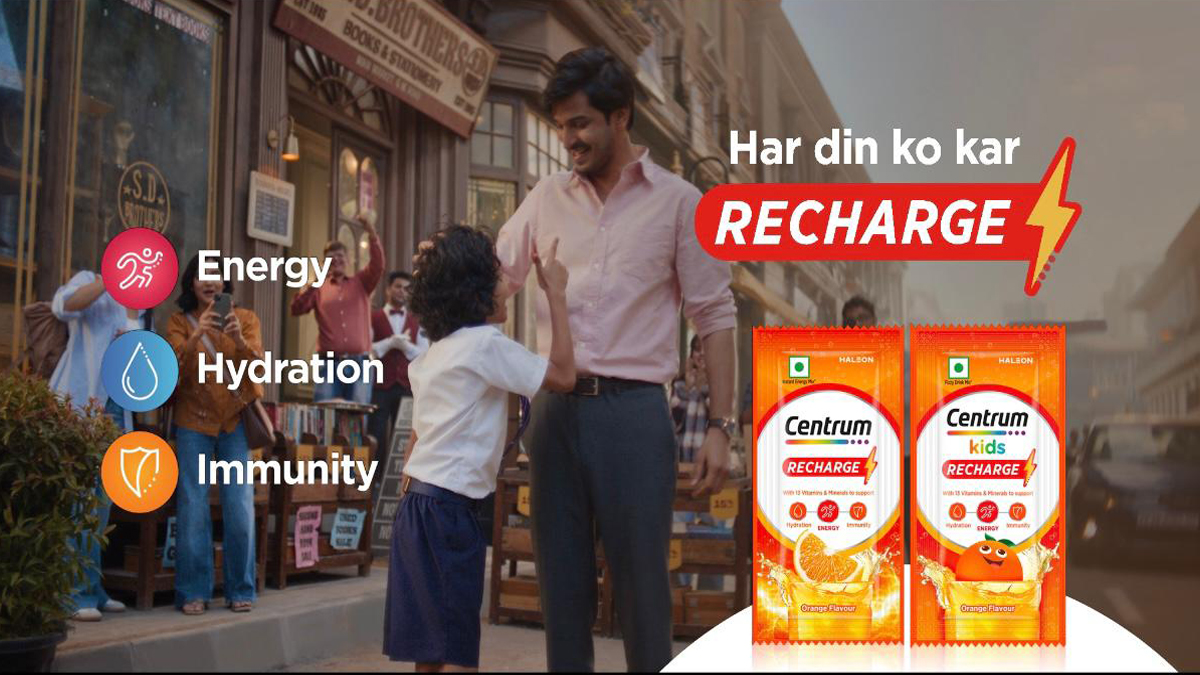
MUMBAI: In a bid to connect with India’s always-on lifestyle, Centrum has rolled out a new campaign titled ‘Har Din Ko Kar Recharge’, spotlighting the everyday struggle with fatigue and the need for simple, accessible wellness solutions.
The campaign, launched by Haleon, promotes Centrum Recharge, an effervescent energy drink mix designed to replenish essential micronutrients lost during daily activity. Priced at Rs 10 per sachet, the product combines Vitamin C, Vitamin B12, Magnesium, and Zinc to support energy, hydration, and immunity in a convenient format.
At the heart of the campaign is a light-hearted film that brings a relatable slice of life to the screen. It follows a tired young man who is unexpectedly challenged to a street game by a child. Initially reluctant, he turns to a Centrum Recharge sachet, after which his energy visibly returns, allowing him to join in with enthusiasm. The narrative neatly ties into the brand’s core message that small nutritional boosts can make a big difference in daily vitality.
Speaking on the launch, Haleon ISC head wellness & OTC Deepali Agarwal said the campaign aims to bring attention back to everyday energy and participation. She highlighted that modern routines often leave people feeling drained, and solutions like Centrum Recharge can help bridge nutritional gaps while encouraging a more active lifestyle.
The brand is also positioning the product as part of a larger push to democratise multivitamin consumption in India, especially at a time when micronutrient deficiencies remain widespread. With variants for both kids and adults and availability across retail, pharmacies, and quick commerce platforms, the company is betting on accessibility as a key growth driver.
The campaign will be amplified across digital and television platforms nationwide, supported by on-ground activations, sampling initiatives, and e-commerce visibility. As Centrum leans into the everyday energy conversation, its latest push makes a clear pitch. Staying energised, it suggests, might just be as simple as hitting refresh on your daily routine.