MAM
Digicel extends support to West Indies cricket

MUMBAI: Mobile telecommunications operator Digicel says that its total commitment to West Indies cricket is only partially reflected in the financial investment made to the West Indies Cricket Board (WICB) through the five-year home and away contract of $19.75 million. Digicel is the title sponsor of West Indies cricket.
Beyond the master contract with the WICB, Digicel says that it is focussed on effectively driving the growth of West Indies cricket by incentivising performances and supporting players, making cricket more accessible to Caribbean communities, and bringing new energy and dynamism to the promotion of the game.
Digicel marketing director Ben Atherton says, “The substantial sponsorship package represents only the starting point of our commitment to the growth of the game in the region. As a company that is solely based in the Caribbean and staffed by almost 1,000 Caribbean nationals, we believe in the Caribbean and its cricket. Our goal is to help West Indies cricket return to the top of World Test cricket where it belongs.”

Digicel has established a team incentives/player bonuses fund worth up to $ 6.65 million. Players now have the opportunity to earn more bonuses and appearance fees (outside of team rights) than ever before due to Digicel’s sponsorship, covering both home and away matches. An additional $1.04 miillion has been put in place for a Digicel awards fund which will cover Test and ODI match and series team awards, as well as all Man of the Match and Man of the Series awards for both Test and ODI matches, including Series trophies and medals for the team.
The A Team tour to Sri Lanka represented the first time that it had the benefit of a sponsor, which was made possible through Digicel’s $1 million investment in cricket development. Digicel has also offered support to the Windies coaching team through, the purchasing of monitoring equipment and the co-funding of additional staff members such as Bryce Cavanagh, the Windies’ new strength and conditioning coordinator.
Digicel expects to commit a minimum of $25 million on top of the contract fee to activate the sponsorship, meaning that the company will invest a minimum of $45 million, or $9 million per year, in Windies cricket over the next five years.


MAM
Ameya Velankar steps down as Uber’s head of marketing for India & South Asia
Veteran marketer exits after more than seven years with the ride-hailing giant.
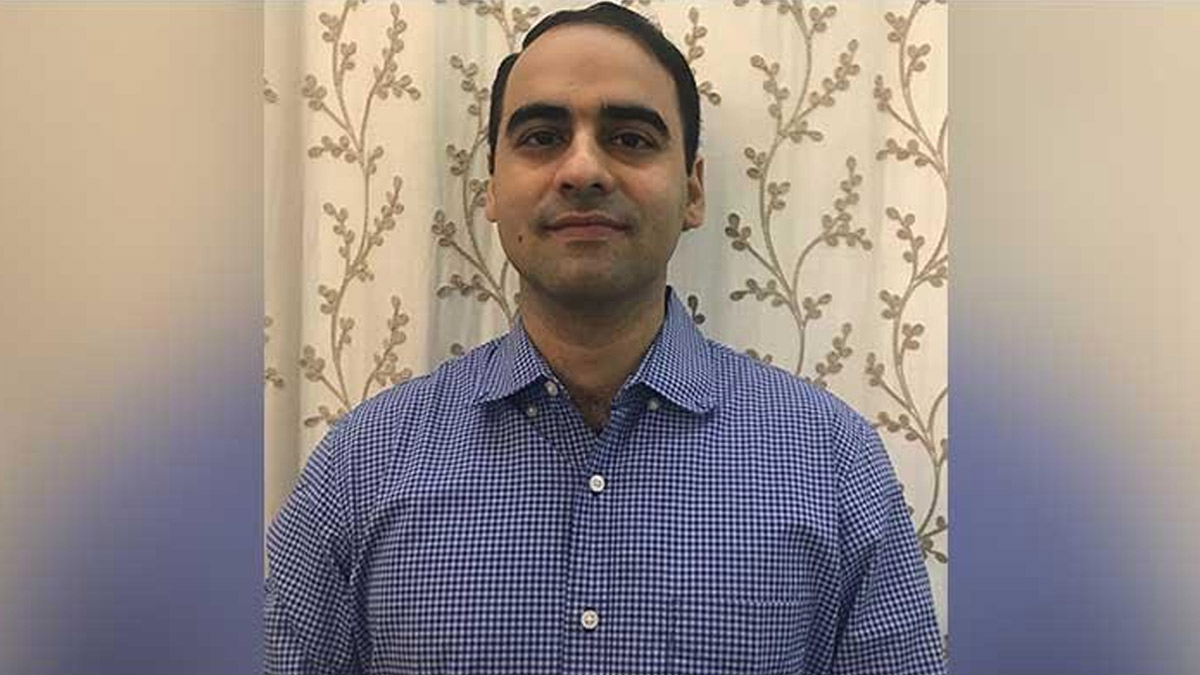
MUMBAI: After more than seven years of steering Uber through the bumpy roads of India’s mobility market, Ameya Velankar has decided to change lanes. Ameya Velankar has stepped down as Head of Marketing for India and South Asia, marking the end of a significant chapter at the ride-hailing company. He had been with Uber since 2019, taking on multiple roles in product and category marketing before rising to lead the marketing function for the region in 2021.
During his tenure, Velankar played a key role in strengthening Uber’s positioning in one of its most competitive and dynamic markets. He helped drive localised marketing strategies and scale adoption across key offerings such as Auto, Moto, Rentals and Intercity, tailoring global platforms to Indian consumer needs.
Prior to joining Uber, Velankar built his marketing expertise at leading consumer companies including SC Johnson and Marico, where he handled category and product leadership roles. His career began at RPG Enterprises.
Details of his next professional move have not been disclosed.
In a fast-evolving mobility landscape where brands constantly battle for attention, Ameya Velankar helped Uber stay relevant and resonant with millions of Indian users. As he moves on from the driver’s seat of marketing, the company will now look for fresh ideas to keep its wheels turning smoothly.






