MAM
Diet Coke gets some bounce and bubble into its new TVC

MUMBAI: Beverage conglomerate Coca Cola in the US is all set to create a stir at a poolside and on a neighbourhood street by using bubbles and movie stars. The effort is being done for its diet drink.
The tagline for the ad campaign that covers, television, print, radio and the Internet is ‘It’s a Diet Coke thing’.
Two television commercials featuring animated bubbles have been made with Oscar winner Adrien Brody and actress Kate Beckinsale. The bubbles are designed to signal the refreshment and lift that Diet Coke provides. The first TVC is called Tingle.

In the ad Beckinsale leisurely strolls across a pool deck clearly catching the attention of the people lounging poolside. Bubbles flow out of the Diet Coke she is drinking, wrapping her in effervescence, then sweeping across people as she passes by. It reaches the point where they can no longer stand the “tingle” that Beckinsale and the bubbles are creating and dive into the pool to cool off.
The other TVC is called Bounce. The story features cool dude Brody walking through a Queens neighbourhood with a definite and pronounced bounce in his step. Effervescent bubbles flow from the Diet Coke he is enjoying. As he interacts with the people he passes he is able to add a little bounce to their day. The bubbles form the word Bounce and the tagline appears.
The ads were directed by Michel Gondry who recently directed the critically-acclaimed Jim Carrey starrer Eternal Sunshine of the Spotless Mind.




Brands
Lovetc appoints Tamannaah Bhatia as brand face
Ananya Birla’s premium colour cosmetics line gears up for strong second year with 30 per cent monthly growth and fresh face category launch.
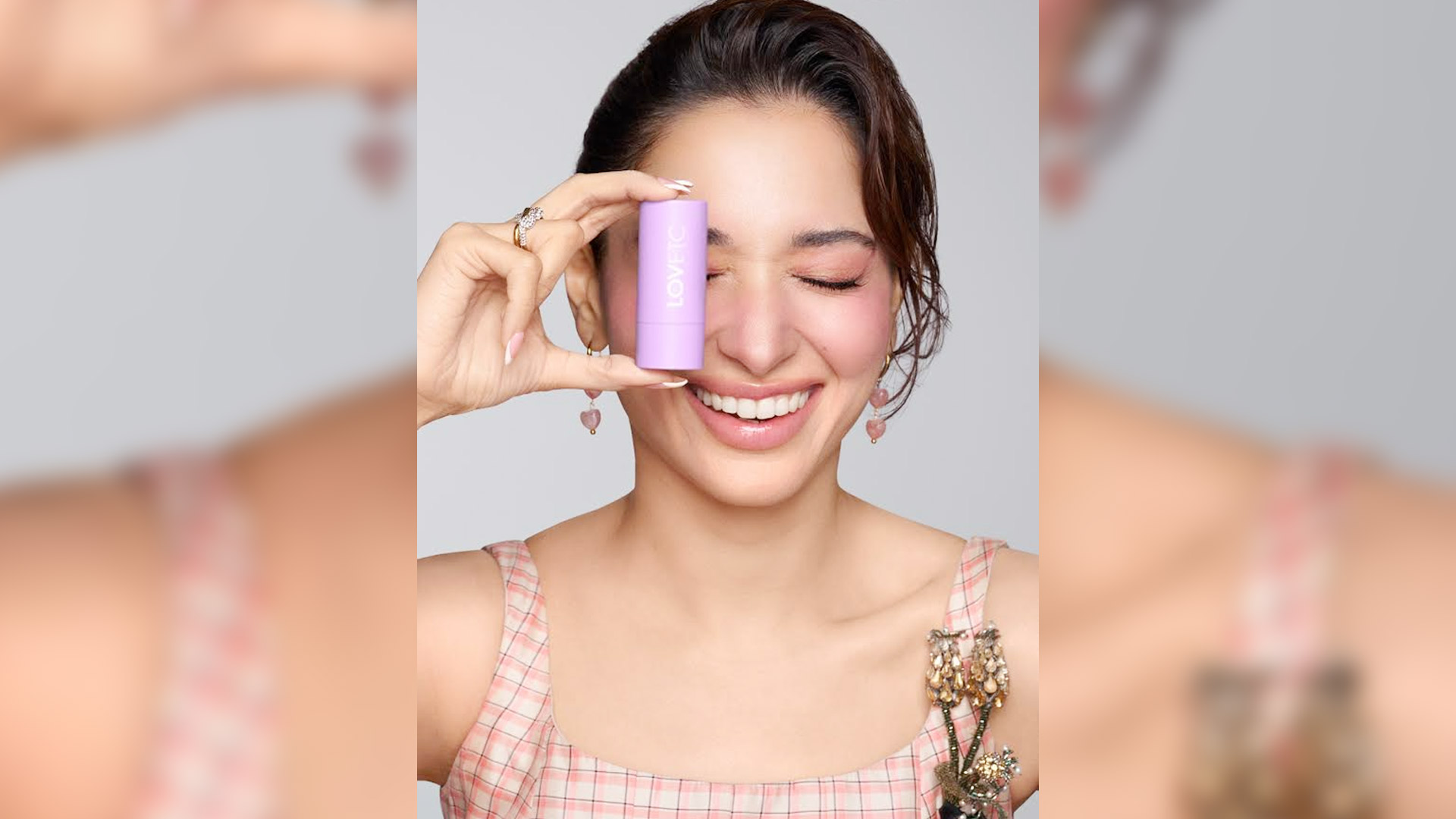
MUMBAI: Lovetc is tinting its success story with a starry new shade Tamannaah Bhatia has just been named the face of Ananya Birla’s premium beauty brand. As the colour cosmetics label under Birla Cosmetics completes a vibrant first year in April 2026, it is entering its second chapter with impressive momentum. The brand has delivered 30 per cent month-on-month growth, expanded thoughtfully into offline and quick-commerce channels, and built a loyal following through a digital-first approach mixed with genuine consumer connections.
Priced between Rs 650 and Rs 1,850, Lovetc focused its debut portfolio on lips and eyes categories. Hero products such as Tint, Talk, Etc Radiant Glow Hydrating Tint (SPF 30 PA++), Pout, Perfect, Etc Matte Bullet Lipstick, and Melt, Miracle, Etc Treatment Oil-Infused Lip Balm quickly won hearts. Early shoppers showed strong purchase intent, with average order values ranging from Rs 1,200 to Rs 2,800 and an average of two items per transaction, signalling healthy basket-building and repeat purchases.
The brand made its mark in key metros including Mumbai, NCR, Chennai, Bengaluru, Chandigarh, Patiala, Ludhiana, and Cochin, while Tier-2 cities surprised with robust demand and loyalty. On the distribution side, Lovetc entered 90 offline retail doors in year one and is on track to cross 150 doors by Q2 2026, choosing each outlet carefully to match its premium positioning.
To mark the milestone, Lovetc is stepping into the face category with the launch of Ace, Face, Etc 4K Blur Matte Foundation in eight shades tailored for diverse Indian skin tones. Additional innovations like the multi-purpose The Etc stick and longwear lip tint Love Bites are also in the pipeline.
Tamannaah Bhatia, known for her pan-India appeal across films and her authentic love for beauty, brings cultural relevance and credibility to the brand. Ananya Birla, founder of Birla Cosmetics, said, “Year Two is going to be big. The brief for every new launch remains the same: Does it perform? Is it playful? Is it kind to the person wearing it? Performance, playfulness, and kindness that is the promise we intend to keep. Bringing Tamannaah on board feels especially pertinent because she brings together an authentic love for beauty with a connection that cuts across audiences and geographies.”
Tamannaah Bhatia added, “I have always loved beauty as a form of self-expression, and what drew me to Lovetc is that it feels playful, thoughtful, and modern at the same time. I am excited to be the face of a brand that is creating products with both performance and personality.”
With deliberate growth, quality-focused retail expansion, and a celebrity partner who genuinely connects with beauty lovers nationwide, Lovetc is blending performance with personality in a market hungry for thoughtful premium options. As it steps into year two, the brand is proving that in beauty, the right tint can make everything glow a little brighter. Delhi, Mumbai, or a Tier-2 favourite Lovetc is colouring India’s beauty shelves with confidence and charm.







