MAM
DHL releases campaign for this year’s ISL

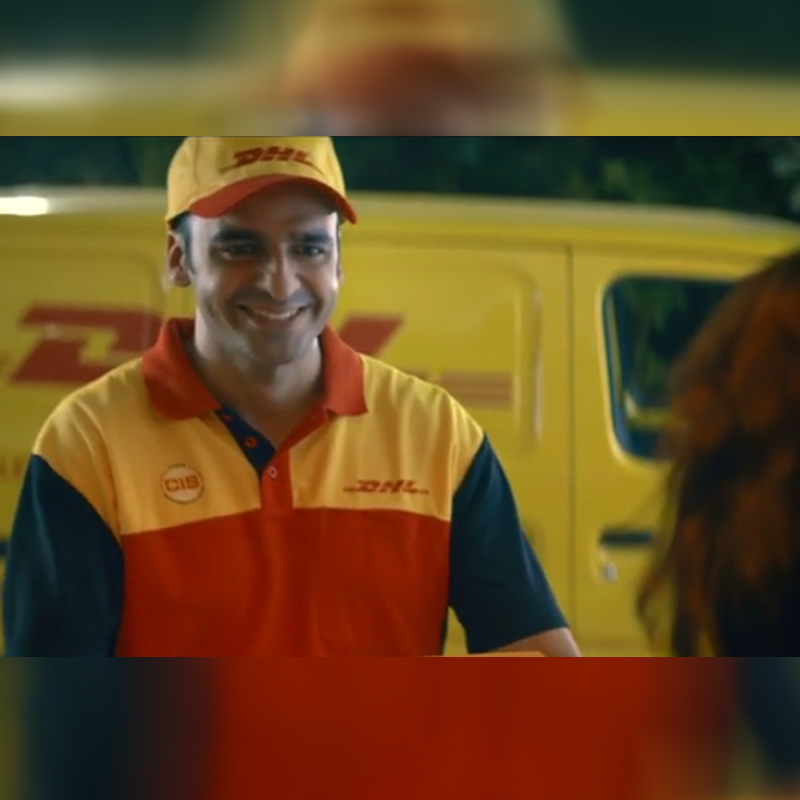
MUMBAI: International express service provider DHL unveiled its campaign ‘DHL is the Way’, for this year’s Hero Indian Super League (ISL). The campaign also marks four years of partnership between the duo.
Conceptualised by The Digital Street, the campaign highlights how DHL traverses across the globe to help aspirations become reality. It encapsulates the role DHL Express plays as an ‘Enabler of Global Trade’, and is aligned with ISL’s commitment for enabling the Indian talent to go global in the international football scene.
The message has been revealed through a TVC that shows an endearing relationship between a father and his injured son. It weaves a beautiful story around how the father goes out of his way to get a shoe autographed by a famous football player and then trusts DHL to carry it across continents to make a special delivery on the son’s birthday.

Link to Video:
In addition to the TV commercial, this campaign will also leverage multiple avenues spanning print, radio, out-of-home, in-stadia football matches, ambient, and digital mediums.
The Digital Street founding partner and chairman Pratap Bose said, “Through its exceptional service quality, DHL is known for bringing hope and delight to its customers. The creative thought behind this campaign highlights exactly that, blending special experiences with a continuous endeavour to deliver with care. The campaign weaves a beautiful story of a caring father-son relationship and the role played by DHL in fostering a personal connection to bring them closer. The commercial was created with an intent to stand out in the minds of consumers, and hence allow them to connect better with the brand’s values.”
As per the brand the core message of the campaign– ‘Where there is a will, we are the way’ is targeted at DHL’s SME customer base. It illustrates how in the complex global business environment, DHL helps SMEs fulfill their dreams by connecting them to 220 countries with ease and opening many business opportunities.
DHL Express India vice president – commercial Sandeep Juneja said, “At DHL, we see ourselves as enablers for our customers in global trade. Therefore, we are always finding new solutions to make Indian SMEs more competitive. When we are done solving complex supply chain problems, our customers should see it as ‘Excellence Simply Delivered’. Thus, the new campaign – ‘Where there is a will, we are the way’. With this, we want to strike an emotional chord and go beyond business conversations.”






India’s early education sector is growing fast, making preschool franchises a profitable business option for new entrepreneurs. However, success depends heavily on clear budgeting and realistic financial planning in the first year. From initial setup costs to monthly expenses and expected revenue, every detail matters.
This guide breaks down the year 1 costs and explains how long it typically takes to reach break-even and start generating consistent profit.
Initial Investment Breakdown
The initial investment includes the key costs required to set up the centre and prepare it for admissions. For anyone evaluating a preschool franchise in Chennai, this breakdown helps explain where the money goes at the start and supports better financial planning during the launch stage.
Franchise Fee
The franchise fee is usually the first fixed outlay. It may include onboarding, training support, and access to the operating model. This amount should be separated from the premises budget, since it does not usually cover fit-outs, hiring, or local compliance.
Infrastructure Setup
Infrastructure setup often takes a major share of the budget. Interior work, child-safe flooring, washroom changes, classroom partitions, storage, and entry security can all affect the final figure. Costs may also vary depending on whether the property needs basic modification or a full fit-out.
Furniture & Equipment
This includes classroom seating, storage units, play materials, learning aids, outdoor play items, office furniture, and basic technology. A realistic estimate should separate essential purchases from items that can be added later, so the first-year budget stays more controlled.
Monthly Operating Costs
Monthly operating costs are the regular expenses needed to keep the centre running smoothly after launch. While reviewing the overall playgroups franchise cost, these recurring payments are important because they directly affect cash flow and the time taken to reach stable returns.
Rent
Rent is usually the most predictable recurring cost, but it can create pressure if occupancy grows slowly. A Year 1 plan should include security deposits, possible rent increases, and the risk of low enrolment in the early months.
Staff Salaries
Teacher salaries, helper wages, and administration support form the core of monthly expenditure. Payroll planning should consider the minimum staffing needed to run safely and consistently.
Utilities & Maintenance
Electricity, water, internet, cleaning supplies, repairs, sanitisation, and routine upkeep can add up throughout the year. A play school for young children must also plan for regular wear and tear. A small maintenance buffer can help cover these repeated costs.
Revenue Potential in Year 1
Revenue in the first year depends on how the centre earns from admissions and how quickly enrolment improves. A clear view of fee planning and student strength helps in understanding how soon the business may move towards operating balance.
Fee Structure
Revenue depends on how fees are structured across admission charges, tuition, activity components, and other school-related collections. It is equally important to map when payments are received, since cash flow timing can influence working capital during the first year.
Student Capacity
Student capacity plays a central role in the profit timeline. A centre may open with room for more children than it can initially enrol, so profitability often depends on how quickly seats are filled. Fixed costs begin immediately, while revenue builds gradually, which is why some centres reach monthly break-even earlier than others.
Conclusion
A good year-1 budget for a play school franchise should balance setup expenses, monthly commitments, and the likely pace of admissions. The key issue is not only the opening spend, but how long the centre can operate before enrolment supports recurring costs. When each cost item is mapped clearly, the profit timeline becomes easier to assess, and financial decisions become more measured from the outset.








