Brands
Devi Shankar bids farewell to Anarock after building India’s data-centre juggernaut


MUMBAI: Five years, $2.7bn in closed deals, and two of India’s largest data-centre platforms later, Devi Shankar is leaving Anarock.
The managing director of investment banking built the firm’s data-centre business from nothing into a powerhouse. Her crowning achievements: EverYondr ($1 bIllion) and Colt-RMZ ($1.7 billion), two landmark transactions that helped establish India as a serious player in digital infrastructure. Advising global investors and private-equity funds on market entry became her signature move.
“This wasn’t just a job; it was home,” Shankar wrote in her farewell message, referencing her early-morning arrivals and her notorious “Devi Standard Time” departures to beat Mumbai’s traffic. She gave special thanks to Ankita Sahu, whom she described as her “backbone for the last five years”.

The move caps a 20-year career spanning KPMG, Deloitte, Jones Lang LaSalle and Ask Property Fund. Shankar’s expertise in structuring complex transactions—from introductions through to commercial negotiations, term sheets and due diligence—has made her one of India’s most respected dealmakers in alternative real estate.
Alongside her corporate work, Shankar has been pursuing a parallel venture since January 2023: Irea Life, a private fashion label where she serves as creative lead and business adviser. The brand focuses on AI-driven solutions for customer experience and marketing automation.
Shankar hinted that an announcement about her next move is imminent, though she declined to share details. Industry watchers will be watching closely to see where one of India’s leading investment bankers lands next.






Brands
Emami names Dhruv Aggarwal as chief growth officer
Former Bain partner steps in as FMCG firm sharpens growth playbook
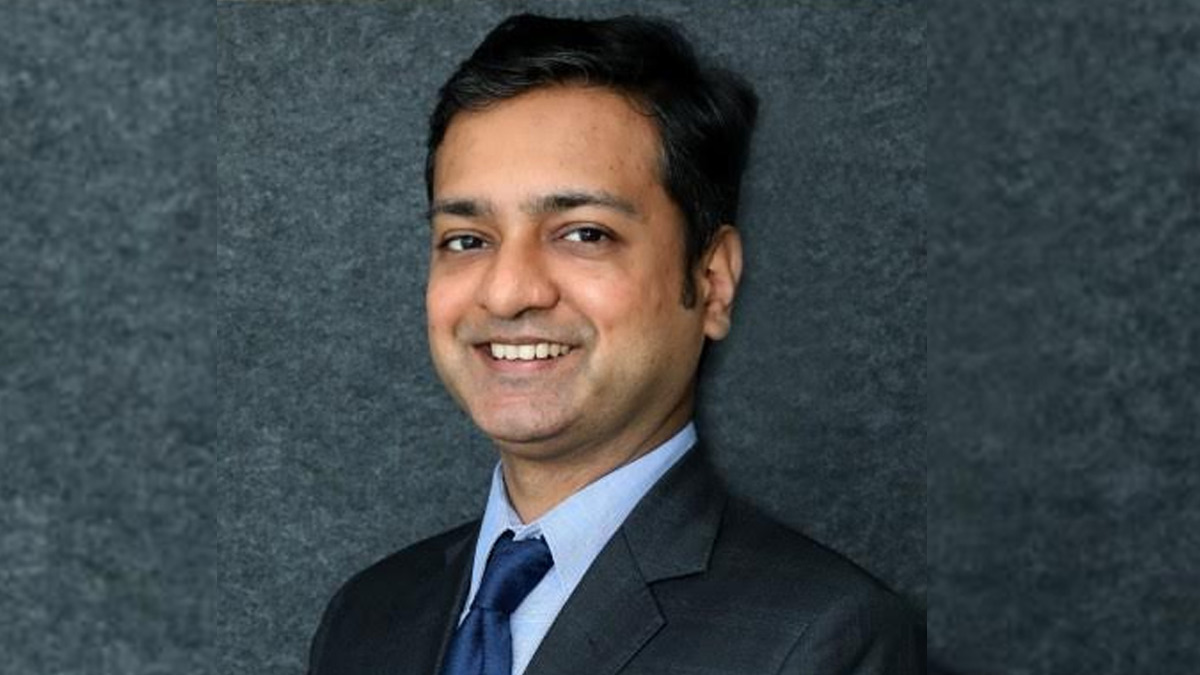
MUMBAI: Emami Limited has appointed Dhruv Aggarwal as its chief growth officer, effective 25 March 2026, following the resignation of Giriraj Bagri.
Aggarwal joins the FMCG major from Bain & Company, where he most recently served as partner. With over two decades of experience across consulting and strategy, he brings a global perspective shaped by work across India, the US, the UK and Germany.
During his tenure at Bain, Aggarwal advised consumer, retail and media companies on large-scale transformations, business turnarounds and growth strategies. He was also closely involved with India’s startup ecosystem, guiding early-stage ventures on scaling and digital expansion, while supporting private equity and venture capital firms on investment decisions.
His earlier stints include a brief role at Barclays Capital and operational experience at Jindal Power, giving him a mix of financial and industry exposure.
Academically, Aggarwal holds an MBA from Indian Institute of Management Bangalore and has also been associated with University of Illinois Urbana-Champaign as a PhD candidate and teaching assistant.
The appointment comes at a time when Emami Limited is looking to sharpen its growth strategy in a competitive consumer market. With a seasoned strategist now at the helm of growth, the company appears set to double down on transformation and expansion in the months ahead.








