MAM
Dentsu Impact, My Choices Foundation launch digital campaign for ‘Mothers Without A Choice’


MUMBAI: While the world was busy celebrating motherhood during this lockdown with mushy photos, cute videos and beautiful cards, a darker truth was being ignored.
There are thousands of women who have been forced to become mothers as a result of this lockdown in their so-called ‘safe’ places called homes. With no choice and no way out, they face a future, which has been thrust upon them.
To get the world talking about this issue, Dentsu Impact, the creative agency from Dentsu Aegis Network (DAN) India, conceptualised and executed a digital video, which puts the spotlight on one of the biggest and yet, least understood casualties of this Covid2019-pandemic lockdown.

YouTube Link – https://www.youtube.com/watch?v=5xWsZFlIt1w&feature=youtu.be
Facebook Link – https://www.facebook.com/MyChoicesFoundation/videos/2458025744439281/
My Choices Foundation aims to give women and girls the choice to live free from violence, abuse and exploitation. The National Commission for Women has reported a sharp increase in cases of domestic violence, rape and attempted rape from the final week of March 2020 onwards. While the lockdown is a necessary step to prevent the spread of Covid2019, it also means that women, who are victims of sexual domestic assaults, are now locked inside the house with their abusers. The brief was to highlight this sharp increase worldwide because of the lockdown.
In these times of crisis, home was meant to be the safest place for everyone. And yet, it turned out to become the most dangerous place for many. Several cases of domestic abuse and marital rape are being reported almost every day, and as a result, the numbers of unwanted pregnancies has surged manifold. Women have become mothers not out of love, but by force, and without a choice. As the world celebrated Mother’s Day, its eyes needed to be opened to the plight of millions of women trapped in a world of violence inside their homes. The aim was to (We wanted to) create awareness about them, who never had the choice of not becoming mothers, unlike the ones who were receiving all the love on this special occasion.
Dentsu Impact, the creative agency from Dentsu Aegis Network (DAN) India, conceptualised and executed a digital video to highlight the problem. The video shows women staring at the camera, unable to speak a word. But despite the silence, what we see is anger, angst and suffocation. The sound design was to enhance the pain that these women have to endure. We hear the claustrophobic pain these women from various walks of life go through every day. The voice over is meant to be their inner voice pleading for us to help them and prevent them from becoming mothers by force.
My Choices Foundation founder Elca Grobler said, “The video, from the opening, makes anyone who watches it feel unsettled. The agonising voice of the victims sends chills down one’s spine, and it evokes a sense of torment. It is brilliant in captivating the intensity of the affliction brought onto the victims by their abusers. This leaves one infuriated and with a feeling of disgust at what vulnerable women have to endure. Although it is extremely difficult to fully know the pain that these women go through, it sends across an immensely strong message – let us not be silent! We feel fortunate to be able to help victims by providing access to our national toll-free helpline number. Each one who reaches out to us, will be referred to one of our counsellors to assist and intervene in the sexual abuse, as well as connect them with the nearest police station.”
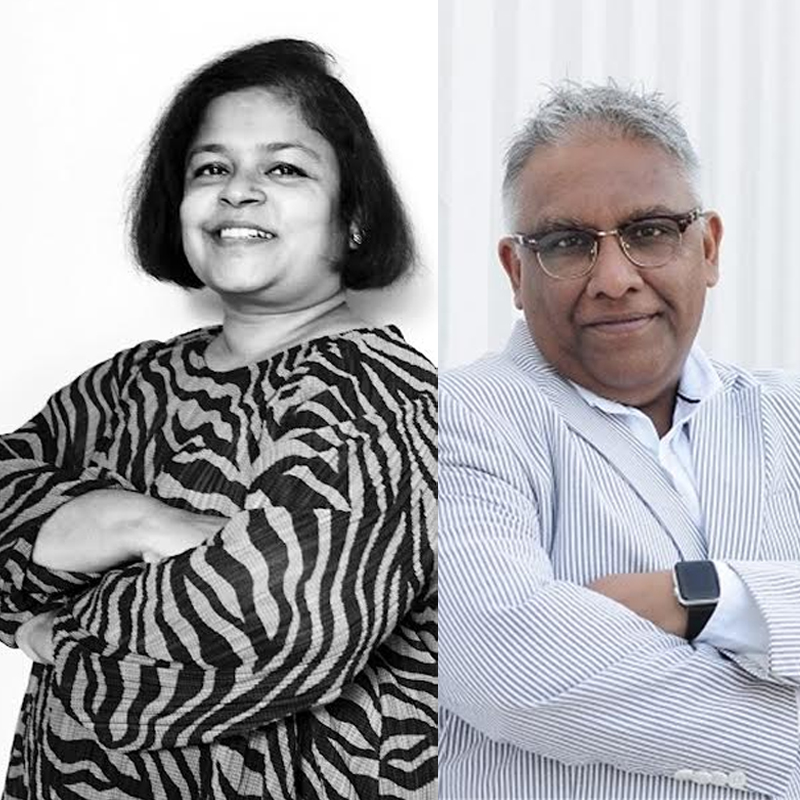
Dentsu Impact national creative director Anupama Ramaswamy added, “We used Mother’s Day as the setting for this communication. The reason being, while the world wants hope and celebration during the lockdown, some women are dreading every single day of it. This lockdown is nothing less than a living hell for them. The prediction of seven million unwanted pregnancies is alarming. If we cannot help these women, we would be doing nothing to stop seven million innocent children from being born into unhappy households. With this communication, we aim to make people and authorities recognise the fear with which these women live. And give them a chance to live life on their terms.”



MAM
Beacon Group appoints Dr Rajesh Patel as Group CEO
36-year healthcare veteran to lead Beacon Diagnostics, Vector Biotek, Biogeny.
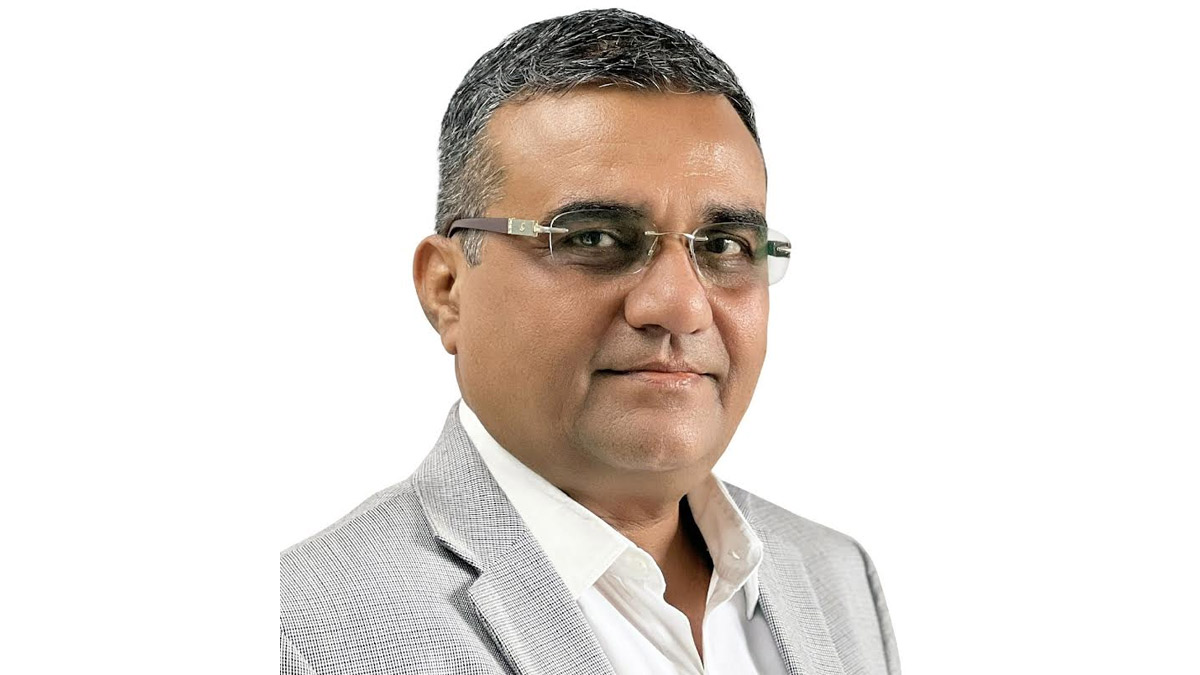
MUMBAI: A new chief, a fresh diagnosis and a sharper prescription for growth. Beacon Group has appointed Dr Rajesh Patel as its Group Chief Executive Officer, effective April 1, 2026, signalling a decisive push to scale its presence in the diagnostics and IVD space. Patel steps into the role with 36 years of experience across the healthcare and diagnostics industry, bringing a career shaped by leadership roles spanning sales, marketing, business development and operational strategy. His mandate is both expansive and precise: to steer the group’s overall strategic direction while tightening coordination across its three core entities Beacon Diagnostics, Vector Biotek and Biogeny Diagnostics.
In practical terms, that means driving cross-company synergies, accelerating market expansion and strengthening organisational capability areas increasingly critical as diagnostic players compete for scale in a fragmented yet rapidly evolving healthcare ecosystem. The group is positioning itself to capture unmet demand across chain laboratories, key accounts and standalone labs, segments that remain underserved despite growing diagnostic needs.
The appointment comes at a time when the In Vitro Diagnostics (IVD) sector in India is entering a more competitive and innovation-led phase, with companies focusing not just on product pipelines but also on service delivery, integration and customer-centric models. Beacon’s leadership appears to be betting that Patel’s execution-focused approach can help translate ambition into operational momentum.
Welcoming the appointment, Chairman Dr D K Joshi described Patel’s induction as a strategic move aligned with the group’s long-term vision, emphasising the role of leadership depth in navigating the next phase of growth.
For Beacon Group, the message is clear, in a sector where precision matters, leadership is the new differentiator—and this appointment is intended to set the tone for what comes next.






