MAM
Dentsu Aegis Network appoints Ashish Bhasin into top APAC leadership role

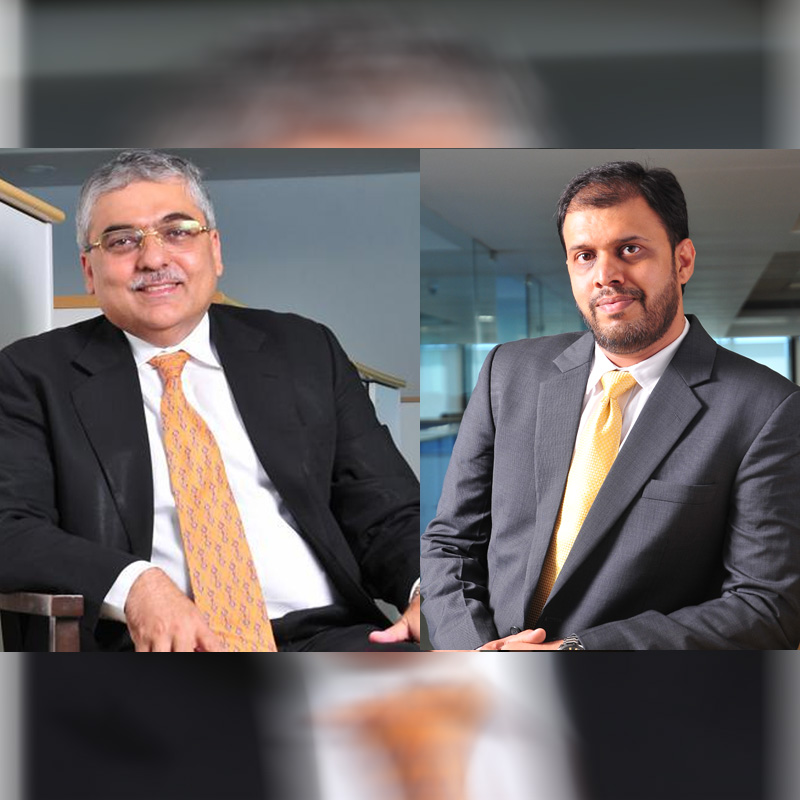
MUMBAI: Dentsu Aegis Network today announces the appointment of Ashish Bhasin, CEO, Dentsu Aegis Network Greater South into the newly created role of CEO, Dentsu Aegis Network, APAC, effective immediately. Based in Singapore, he joins the Dentsu Aegis Network Global Executive team and will report into Takaki Hibino, Executive Chairman, Dentsu Aegis Network APAC. Takaki’s role as Executive Chairman, APAC remains the same.
This move further cements the recently announced Cluster Structure; Greater North, Greater South and ANZ in APAC, giving the markets and their leadership teams greater focus on identifying and moving into key growth opportunities. Ashish will focus on accelerating this growth while delivering greater operational rigor and leadership excellence across the region. These changes reflect evolving market dynamics across the region, mitigating the disruption that new entrants, shifting consumer demands and technological evolution creates by focusing on delivering long-term, sustainable growth for our clients. Ashish will maintain his role as Chairman, Dentsu Aegis Network India.
Commenting on Ashish’s elevation, Takaki Hibino, Executive Chairman, Dentsu Aegis Network APAC said: “Ashish’s appointment is critical for the region; enabling the markets to focus on client needs and growth opportunities while delivering operational rigor for the business. He was a clear candidate from the start with a proven track record of delivering long-term and consistent growth. Under his leadership, the business in India is now the second largest Advertising & Media organisation by revenue in the market. His long-term vision coupled with his acumen for identifying an opportunity is one of the best in the business, and I am delighted he will join me in leading the business in APAC.”

Ashish Bhasin, CEO, Dentsu Aegis Network APAC commented: “I am thrilled to be taking on this new role within the APAC region. There is never a more exciting time to be in this business; our competitive landscape is becoming more complex and fragmented while our clients are crying out for long-term vision and simplicity. We have to keep their needs as our North Star whilst delivering long-term, sustainable growth for our business. We are in a unique position to build propositions around our client needs, and I look forward to this next chapter in the transformation journey of this region.”
In India, Anand Bhadkamkar, erstwhile COO & CFO South Asia, has now been promoted to CEO, Dentsu Aegis Network India. Anand will continue to report to Ashish Bhasin in his new role.
Anand Bhadkamkar, CEO, Dentsu Aegis Network India commented: “I am extremely excited and honoured to take on this new responsibility. I look forward to embarking upon a new chapter in my career and work with Ashish as the Chairman of India to continue building DAN into the country’s most innovative, future-proofed market-leading network. Our One P&L philosophy and our leadership status in Digital sets us up in the best position versus our competitors.”
In addition, Masaya Nakamura, Deputy Chairman & Chief Growth Officer, APAC has taken a new role as CEO, Global Solutions, Dentsu Aegis Network, based in Tokyo. He will remain on the Global Executive. Prakash Kamdar, CEO, Isobar Singapore has been promoted to CEO, Dentsu Aegis Network Singapore.






Brands
Funskool India crosses US$40 million turnover in FY 2025-26
Toy manufacturer posts steady growth despite global headwinds.

MUMBAI: Funskool India has played its cards well turning challenges into steady growth while keeping the fun alive in the toy business. The country’s leading toy manufacturer has reported a turnover of $40 million in FY 2025-26, demonstrating resilience in a difficult global environment. The company recorded an average growth of 14 per cent over the past two years, with exports growing at a healthy 19% year-on-year.
While domestic business grew at a modest single-digit pace, Funskool saw encouraging traction in key categories such as Fundough (dough) and Handycrafts (arts & crafts).
Funskool India Ltd. CEO K.A. Shabir said, “We successfully navigated the challenges posed by US tariffs last year and continued to grow both our export and domestic businesses. Given the ongoing geopolitical situation in West Asia, we are currently working with a moderate growth outlook of 12–15 per cent, with plans to revisit our targets after Q1 once the situation stabilises.”
He highlighted strengthened partnerships with global companies including Spin Master (Canada), Moose Toys (Australia), Melissa & Doug (USA), Asmodee (France), Learning Resources (USA), and Buffalo Games (USA). The expansion of the company’s Goa plant is progressing and is expected to be completed by the end of the current financial year.
Looking ahead, Funskool expects a significant shift in domestic growth momentum for FY 2026-27, driven by new categories such as friction vehicles under the brand “BlazeTrix”, remote-control cars under “VoltRush”, and the addition of popular licences like Paw Patrol.
In an industry where playtime never stops, Funskool has shown that even in turbulent times, a smart strategy and strong partnerships can keep the business ticking along nicely. As it gears up for the next financial year, the company appears well-positioned to build on its solid foundation and bring even more joy to children worldwide.







