MAM
DDB MudraMax elevates Rohit Samarth as head, experiential


MUMBAI: There’s some movement in the DDB MudraMax office. Rohit Samarth has now been elevated to head DDB MudraMax, Experiential. Samarth will report to DDB MudraMax president Mandeep Malhotra and will be the incharge of the agency’s experiential campaigns, nationally.
Samarth joined the agency’s rural marketing branch, Terra, as senior vice president in April 2012.

Alvin D’souza, Subhashish Sarkar and Amit Singh, who have been elevated to Head, Experiential, West, North and East, respectively, will be working under the guidance of Rohit.
About his new role, Rohit said, “I have a vision and some strategic thoughts for my new role. Development of strong teams and setting new standards in the experiential business are high on the agenda. It is my sincere belief that DDB Mudra Max’s experiential division, which is already a great force to reckon with in the experiential business, will grow to be one of the most competent and respected experiential communication solutions agencies over the next two years.”
Samarth joined DDB MudraMax from Percept Out of Home, where he was the business head of its rural vertical responsible for all its communication and marketing strategies. With more than 25 years of experience in the industry, Samarth started his career with Nestle India, and later worked with various other companies like Media Workshop India, Amar Ujala Prakashan, India Infrastructure Publishing, UCP Integrated Marketing Solutions, and Federation of Indian Chambers of Commerce and Industry (FICCI) and Linterland.
Commenting on the new appointment, Malhotra said, “Rohit has shown passion, hunger and discipline in his current role. Will be looking forward for him making all three infectious in his extended team.”






MAM
WPP appoints Estée Lauder’s Anne-Isabelle Choueiri as chief transformation officer
Former Estée Lauder executive to lead operations, technology and culture overhaul under WPP’s three-year growth plan
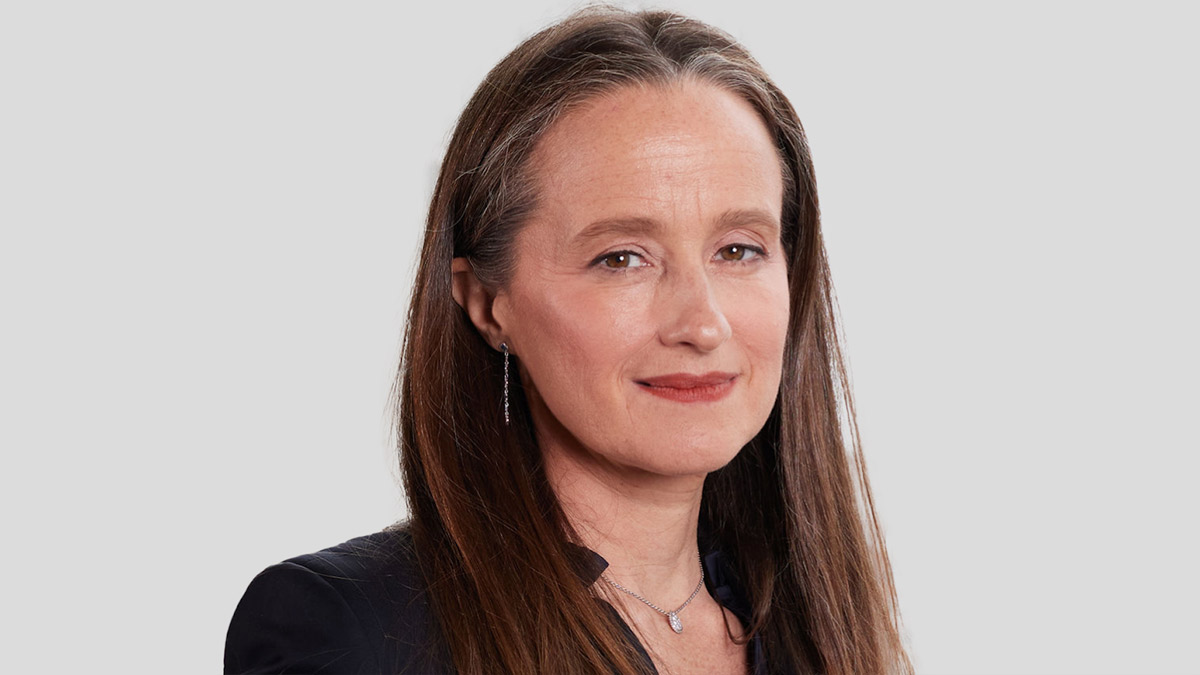
LONDON: WPP has appointed Anne-Isabelle Choueiri as chief transformation officer in a newly created role tasked with delivering the group’s Elevate28 strategy.
Choueiri joins from The Estée Lauder Companies, where she led enterprise-wide strategic initiatives, including the “One ELC” operating model and major upgrades to enterprise marketing, data and analytics capabilities. She also led the redesign of enterprise technology teams and served on the company’s AI taskforce, driving AI strategy, adoption and value realisation across the business.
At WPP, she will be responsible for designing, implementing and embedding the operating model behind Elevate28, the company’s three-year growth plan unveiled in February 2026. She will lead efforts to improve innovation, efficiency and integration across WPP’s client offerings, with a focus on delivering agile, outcome-driven solutions and measurable growth.
Choueiri will oversee organisational transformation across the group, working closely with product and enterprise technology teams to deploy AI, data and technology to build new capabilities and improve operational performance. She will also work with the people function to embed cultural change, strengthen an agile performance mindset and support talent development across the organisation.
Before joining Estée Lauder, she held senior roles across consulting and digital agencies, including at Accenture, Masaï (a Bain & Company spin-off), and Kearney, with experience spanning strategy, data and digital marketing transformation.
Cindy Rose, chief executive officer of WPP, said Choueiri brings a strong track record of leading large-scale transformation across operations, technology and culture, adding that her appointment will help accelerate the group’s next phase of growth under Elevate28.
Choueiri said WPP’s strategy represents an ambitious opportunity to reshape how the company operates and delivers for clients, adding that she looks forward to building integrated solutions and fostering a culture of innovation and change.
She will be based in New York and will join WPP’s executive committee.







