MAM
DDB Mudra South & East appoints Tejali Shete, Ajay Menon as senior creative directors

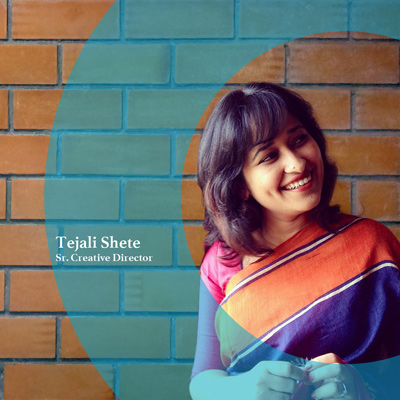
MUMBAI: DDB Mudra South and East has appointed Tejali Shete and Ajay Menon as senior creative directors. The duo will be based out of the agency’s Bengaluru office.
With over a decade of experience in the creative communications industry, Shete joins DDB Mudra from Grey Worldwide and a short stint at Leo Burnett, Kuala Lumpur. Shete has worked with agencies including Contract, Lowe Lintas, Ogilvy & Mather, Creativeland Asia, and Percept/H.

On the other hand, Menon joins DDB Mudra from JWT Chennai where he was senior creative director & AVP. With over 16 years of experience, Menon has worked at Orchard in Mumbai, JWT in Chennai and Saatchi in Bengaluru.
Shete said, “Joining DDB Mudra South and East was an easy decision for me, considering their diverse brand portfolio that carries immense potential, the quality of talent and a young and energetic team. Besides, I am excited to work with Sonal Dabral, whose work I have been following since the days when I was cutting my teeth in advertising. He has fostered an excellent balance between creative excellence and focus on client success at DDB Mudra, which would help us as a team to achieve laurels on national as well as international platforms.”
Menon added, “Back in Bengaluru after nine years, coming to DDB Mudra is in many ways, a homecoming. This agency offers some great things – strong leadership, an emphasis on creativity, an open culture, a terrific team and great brands. In other words, all the necessary elements to create great advertising. It’s an opportunity that no creative guy looking to making an impact will pass.”
DDB Mudra South & East president Ranji Cherian said, “I am delighted to have Tejali Shete & Ajay Menon join our team at DDB Mudra South and East. They come in with solid experience and strong body of work to showcase. They are extremely talented and nice to work with and fit into our DDB culture that prioritizes creativity & humanity. I am confident that their contribution will take our agency to greater heights.”







Brands
ITC Sunfeast Farmlite launches Sugar Free Cookies range
New variants offer guilt-free indulgence for health-conscious snackers.

MUMBAI: ITC Sunfeast Farmlite is sweetening the deal for biscuit lovers who want to have their cookie and eat it too without the sugar. The better-for-you biscuits range from ITC Foods has expanded its portfolio with the launch of an all-new Sugar Free Cookies line, aligning with the company’s vision of ‘Help India Eat Better’. The range is designed for consumers who are rethinking sugar in their daily snacking but refuse to compromise on taste and indulgence.
The collection debuts with two tempting variants: Choco Nut Cookies and Hazelnut & Oats Cookies. Both are a source of protein and contain no trans-fat, while the Hazelnut & Oats variant is also lactose-free.
ITC Ltd. vice president (marketing), biscuits, foods division, Suraj Kathuria said, “At Sunfeast Farmlite, we believe mindful snacking should never come at the cost of indulgence. With this launch, we are catering to the growing need for guilt-free snacking while delivering a rich, satisfying cookie experience.”
ITC Ltd. vice president & head of food sciences for foods division Dr Shantanu Das added, “We have applied robust food science to develop cookies that are sugar-free while preserving the taste and texture consumers love.”
Each cookie comes in convenient single-serve packs to maintain texture and freshness. Both variants are available in 100g packs priced at ₹100 and can be found on quick-commerce platforms including Blinkit, Swiggy Instamart, and Zepto.
In a market increasingly leaning towards healthier choices, ITC Sunfeast Farmlite’s new Sugar Free Cookies prove that cutting sugar doesn’t mean cutting joy. For the health-conscious yet indulgent snacker, this could be the perfect bite-sized solution.






