MAM
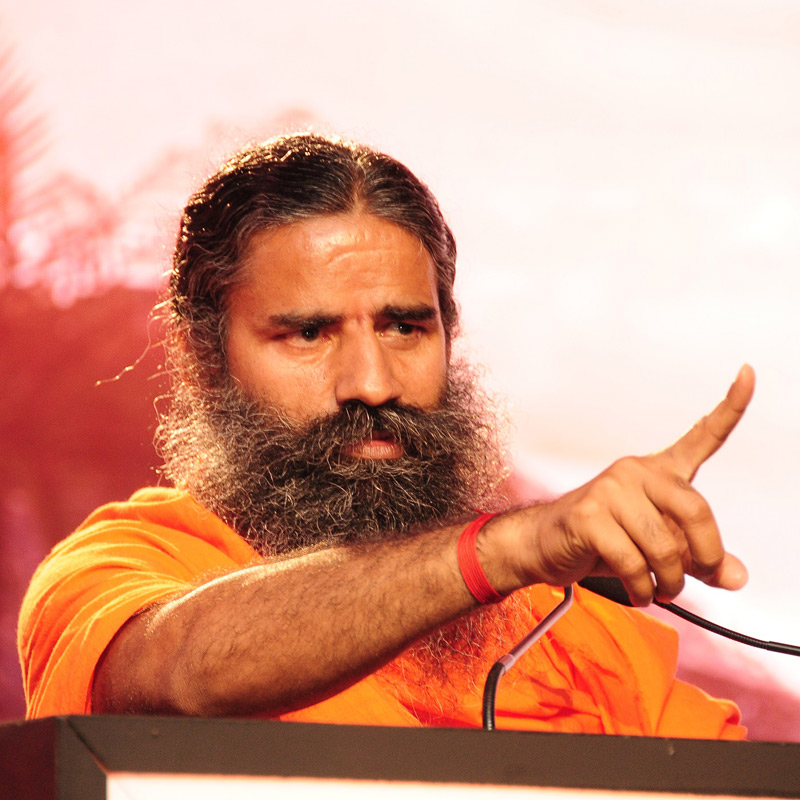
Day 1 at Goafest 2018 sees Baba Ramdev make major announcements

GOA: They say the advertising sector is for hardcore creative people and by working round the clock all year, one needs an escape from it now and then. Goafest is one such adverting event that brings together all the creative minds in the industry to celebrate, sit back and enjoy three days in the beaches of Baga!
The 13th edition of Goafest hosted by The Advertising Agencies Association of India (AAAI) in association with The Advertising Club commenced yesterday.
Captains of the industry MK Anand, Vikram Tanna, Nakul Chopra, Vikram Sakhuja, Ashish Bhasin, Ajay Kakkar and Jaideep Gandhi lit the ceremonial light.

Pepperfry CMO and head of new business Kashyap Vadapalli began the session by speaking about the brand’s own growth story. The company wanted to promote Indian artisans and craftsmen and build honesty and transparency in the company. Today, Pepperfry has streamlined its business, and taken supply, mixed with technology, to the Indian consuming class. “We worked towards standardising the entire category. Since we were very close to manufacturers, it helped us bring value to the Indian consumer,” said Vadapalli.
He mentioned that Pepperfry has launched 10 house brands that contribute to 50 per cent of their business, 27 studios across 15 cities in the country and is planning to launch 12 more. The key learning from Kashyap’s session was to constantly evolve and listen to the consumers and their needs.
Next up, was a man who came swathed in a saffron loincloth, a.k.a Baba Ramdev – the mind behind India’s largest swadeshi (domestic) FMCG brand Patanjali. After starting classic style with a gayatri mantra, he dived deep, full Hindi, into how everything, from knowledge, emotions, actions, expertise, experience, skills, innovation, research, resource, and even waste converts to wealth.
Even though he had humble beginnings from an agriculture background, he was never scared to dream of a prosperous country, even for the poor, and the biggest financial powerhouse. “I only had one question: What can I do about this country? From farming to retailing, I haven’t studied anything, but the world is enough to teach me lessons. When you come face to face with reality, it teaches you lessons no conventional course can teach,” said Ramdev.
An avid rebellion of MNCs that he is, Ramdev mentioned that he made Patanjali a Rs 500 crore brand without any major investment in advertising as opposed to MNCs who believe in creating a fairy tale picture while selling every product. He said, “We don’t believe in having glamourous ads as we want our products to speak for themselves and only highlight the product’s benefits or ingredients.” He also announced that with the growing profit rate of Patanjali, the company will double its turnover in 2019.
Peppered with laughter, yoga, life lessons, jokes and harsh doses of reality, he shared the essence of his being: Jo karo, usko pura karo, 100 per cent daalo apna. Usko beech me mat choro, which translates to – Whatever you do, do it whole-heartedly. Give your 100 per cent and don’t leave anything mid-way. He also stressed that companies should not focus on cost cutting as it leads to delivering poor quality products which will result in a great fall for the company sooner or later. Companies also need to have an open mind about implementing newer technologies into their systems since the world is going digital and technological advancement is the need of the hour today.
While he encouraged everyone to take risks, he also said, “Whatever you do, do it without ego. Give it all. There is nothing called destiny.” Without any inhibitions, he also added that while some people depended on hard work, some relied on destiny and some believed in cheating. “I believe in universal justice. If you cheat, you might grow for 10 years tops. What will you do after that? Same is the rule for destiny. Work on your work; not on Gods.”
During his session, Ramdev also publicly announced that Patanjali will venture into selling liquid milk and other dairy products by next year. He also confidently declared that the company will also launch kids-wear, activewear, accessories and fashion clothing for men and women by 2021. He concluded his session by publicly announcing that Patanjali will also launch its own mineral water very soon and the company has already started work in that area.






MAM
Kalyan Jewellers launches Nimah Collection campaign
New temple-inspired jewellery range stars Sreeleela and Kalyani Priyadarshan.

MUMBAI: Kalyan Jewellers has given temple jewellery a cinematic glow-up and this time, it’s sparkling with star power and storytelling. The leading jewellery brand has unveiled a new campaign for its Nimah Collection, directed by acclaimed filmmaker Priyadarshan and featuring brand ambassadors Sreeleela and Kalyani Priyadarshan. Built around the powerful idea of “A Legacy You Wear”, the campaign presents a cinematic celebration of India’s rich temple jewellery traditions, positioning them as timeless expressions of identity, strength, and artistry.
The film brings mythology and classical performance together in a fresh narrative. Sreeleela’s character embodies strength and discipline, moving from archery to classical dance, with bold temple jewellery accentuating her power. In contrast, Kalyani Priyadarshan’s portrayal explores introspection and creativity through music and writing, highlighted by finer detailing and understated elegance. Together, the two personas showcase the Nimah collection as heritage jewellery that remains relevant across generations.
The Nimah range draws inspiration from South Indian temple jewellery and features intricate Nakashi (hand-carved) work. It includes statement bridal necklaces and haarams, temple-inspired chokers, earrings, jhumkas, rings, and chains perfect for both bridal and festive occasions.
Every piece in the collection comes with Kalyan Jewellers’ trusted 4-Level Assurance Certificate, guaranteeing purity, free lifetime maintenance, and transparent buy-back policies.
The campaign is now live across digital platforms, and the Nimah collection is available at Kalyan Jewellers showrooms nationwide.
In a market often crowded with glitter, Kalyan Jewellers has chosen to shine through meaningful storytelling. With “A Legacy You Wear,” the brand reminds us that the most beautiful jewellery doesn’t just adorn, it carries stories, culture, and timeless elegance forward.






