MAM
Data-driven storytelling: The indispensable future of PR in India

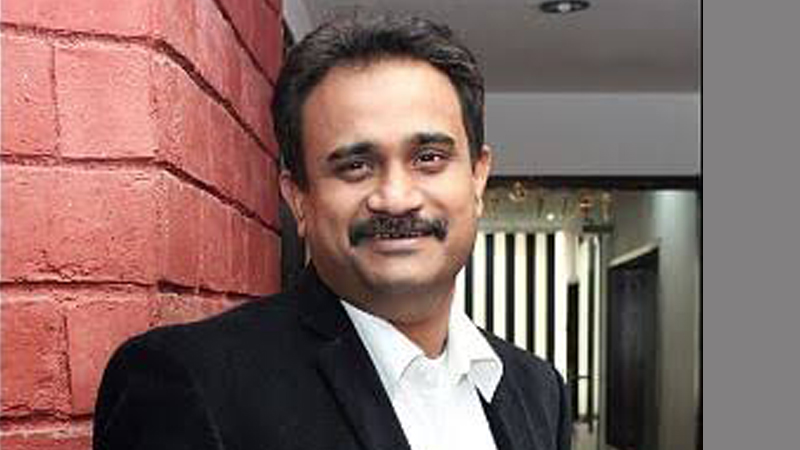
Mumbai: The PR landscape in India is undergoing a seismic shift, and those who fail to evolve risk getting left behind. For too long, we’ve relied solely on anecdotes and gut instincts to shape narratives. But in today’s data-rich world, that approach is akin to navigating the vast Indian countryside without a map or compass. The smart guides – the true masters of their craft – understand that data holds the key to unlocking storytelling’s full potential. Data-driven storytelling isn’t just a buzzword; it is a critical mindset and capability that will separate PR leaders from the also-rans in the years ahead.
Merging rich data with compelling storytelling holds the power to completely transform a PR strategy. From the high-stakes corporate battlefield to the chaos of national election campaigns, thoughtfully combining cold hard facts with artful narrative sculpting is what captures mindshare and shapes reputations. This cutting-edge approach transcends traditional PR tactics – it gets people truly invested in your story on a visceral level.
The Power of Data

India’s digital revolution has unleashed a torrent of data that holds immense potential for shaping narratives. Latest data shows that India has over 820 million active internet users, making it one of the largest and fastest-growing digital populations globally. This vast digital footprint generates a wealth of audience data that can inform and elevate our storytelling efforts. Data allows us to tailor our stories to the diverse cultural and linguistic nuances of India’s audiences. By leveraging data analytics tools, we can gain insights into regional preferences, consumption patterns, and audience behaviors, enabling us to craft narratives that resonate deeply with local communities.
One of the most compelling ways to leverage data in storytelling is through data visualization. In a country where visuals hold immense sway, presenting data in visually striking and easily comprehensible formats can significantly amplify the impact of our narratives. Interactive dashboards, engaging infographics, and even short animated videos can transform complex data into captivating visual stories. A study by EY revealed that consumer data helps 54% of Indian marketers drive better marketing decisions. Data visualization remains essential to this quest for effective storytelling and decision-making.
Combining Data and Emotion
While data provides the foundation of our stories, emotions are the catalyst that truly resonates with audiences. Effective data-driven storytelling in India strikes a delicate balance between hard facts and emotional resonance, intertwining data with cultural narratives and human experiences. By weaving data into narratives that evoke emotions deeply rooted in Indian ethos, we can create stories that are not only informative but also emotionally compelling and memorable. This fusion of data and emotion is what sets apart truly exceptional PR campaigns from those that merely convey information.
A case in point is the award-winning ‘Swachh Bharat Abhiyan’ campaign, which leveraged data visualization and storytelling to raise awareness about the importance of cleanliness and sanitation. By combining data on health and environmental impacts with emotionally resonant narratives, the campaign successfully engaged millions of Indians and catalyzed a nationwide movement.
The Way Ahead
As India continues its rapid digital transformation, the importance of data-driven storytelling will only intensify. PR professionals who embrace this approach will be better equipped to craft narratives that cut through the clutter, captivate audiences, and drive meaningful change. The future of PR in India lies in our ability to harness the power of data while retaining the art of storytelling. By combining these two elements, we can create narratives that are not only factual but also culturally relevant, emotionally resonant, and impactful.
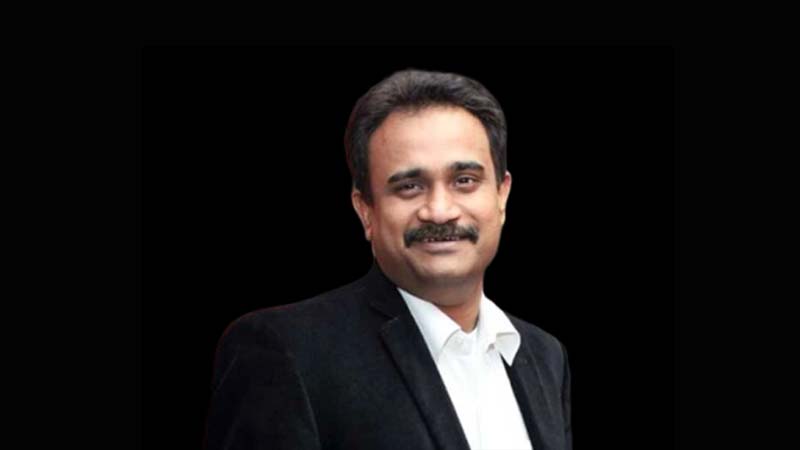
The author of this article is Value360 Communication co-founder Gaurav Patra.


Brands
Tessolve lands a semiconductor veteran to drive its next big push
Ravi Kumar Chirugudu, who started his career at ISRO and has spent 35 years building chips and companies, joins the Bengaluru-based firm as president and chief operating officer
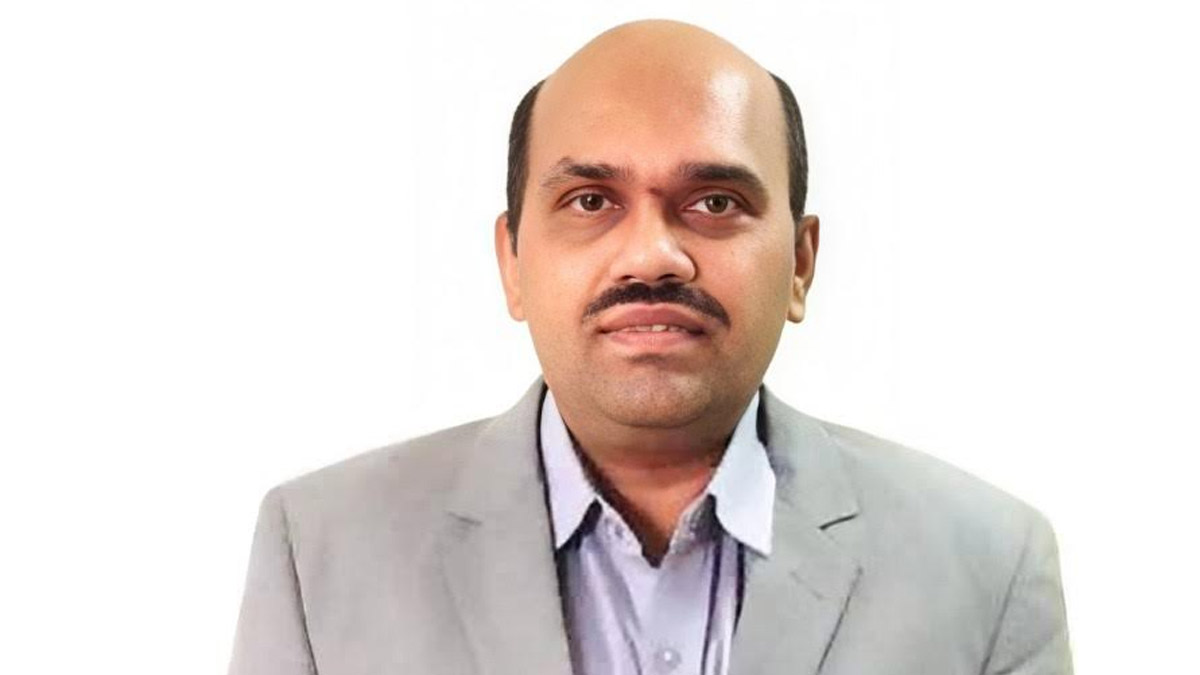
BENGALURU: Tessolve has never been shy about its ambitions. The Bengaluru-based engineering services firm already counts 18 of the world’s top 20 semiconductor companies among its clients, employs more than 3,500 engineers across 12 countries, and last year pocketed a $150m investment from TPG. Now it has hired the executive it believes can turn those assets into something bigger. Ravi Kumar Chirugudu, a 35-year semiconductor veteran who once built satellite payloads for ISRO and has since scaled engineering organisations across three continents, joins as president and chief operating officer, effective immediately.
THE MAN AND THE MANDATE
The appointment is, by any measure, a serious hire. Ravi Kumar Chirugudu comes to Tessolve after senior leadership stints at HCL Technologies, Altran and Wipro, where he managed large profit-and-loss portfolios and oversaw cross-regional teams. Over the course of his career, he has been instrumental in bringing more than 1,000 new products to market across the high-tech, energy and manufacturing verticals. Before the private sector claimed him, he began his working life as a scientist at the Indian Space Research Organisation, contributing to research and development in charge-coupled device technology and satellite payloads, a foundation that shaped everything that followed.
In his new role, he will lead Tessolve’s global growth strategy: expanding its engineering capabilities, deepening customer relationships and accelerating innovation across semiconductor and high-performance computing domains. The brief is broad, but the context is specific. Tessolve operates in the $550 billion global semiconductor market, and its recent moves, the acquisition of Germany’s Dream Chip Technologies and the TPG funding round, have sharpened both its reach and its expectations.
Srini Chinamilli, co-founder and chief executive of Tessolve, is characteristically direct about why Ravi Kumar Chirugudu was the choice:
“As we scale our global semiconductor and system engineering capabilities, Ravi’s appointment marks an important step forward. As global semiconductor demand continues to accelerate across industries, it is creating significant opportunities across the semiconductor lifecycle, from design, packaging, validation and systems integration. Ravi’s deep knowledge and leadership in this ecosystem brings the right mix of industry expertise, customer connect and execution capability, which will play a key role in strengthening our position as a trusted global engineering partner and reinforcing our market leadership.”
THE NEW ARRIVAL SPEAKS
Ravi Kumar Chirugudu, for his part, frames the move in terms of timing and culture, two factors that veteran executives tend to weigh as heavily as title or compensation:
“I am happy to join Tessolve at a time when the industry is rapidly evolving towards more complex, AI-driven systems. What stands out to me is its strong people-first culture and its commitment to bringing value to its customers. The strength of its global team, combined with its deep expertise in semiconductor innovation and next-generation product engineering, creates a solid foundation to build differentiated, scalable solutions. I look forward to working closely with the team to drive strategic growth and strengthen its role in shaping the global semiconductor ecosystem.”
The reference to AI-driven systems is not incidental. The semiconductor industry is in the midst of a structural reshaping, driven by the insatiable compute demands of artificial intelligence. For engineering services firms like Tessolve, which offers end-to-end capabilities from silicon design to packaged parts and invests in high-performance computing, high-speed interfaces, photonics and 5G, the moment is both an opportunity and a test. The company says it is well positioned to capture the next wave of industry growth. Ravi Kumar Chirugudu is now the person who has to prove it.
He came in from outer space, literally, and spent three decades learning how the semiconductor industry works from the inside out. Now Tessolve is betting that accumulated knowledge can help it cross the next frontier. In the $550 billion global chip market, the gap between ambition and execution is measured in engineering hours and leadership quality. Tessolve has just gone shopping for both.






