MAM
Dalmia Cement launches digital engagement programme with dealers during lockdown

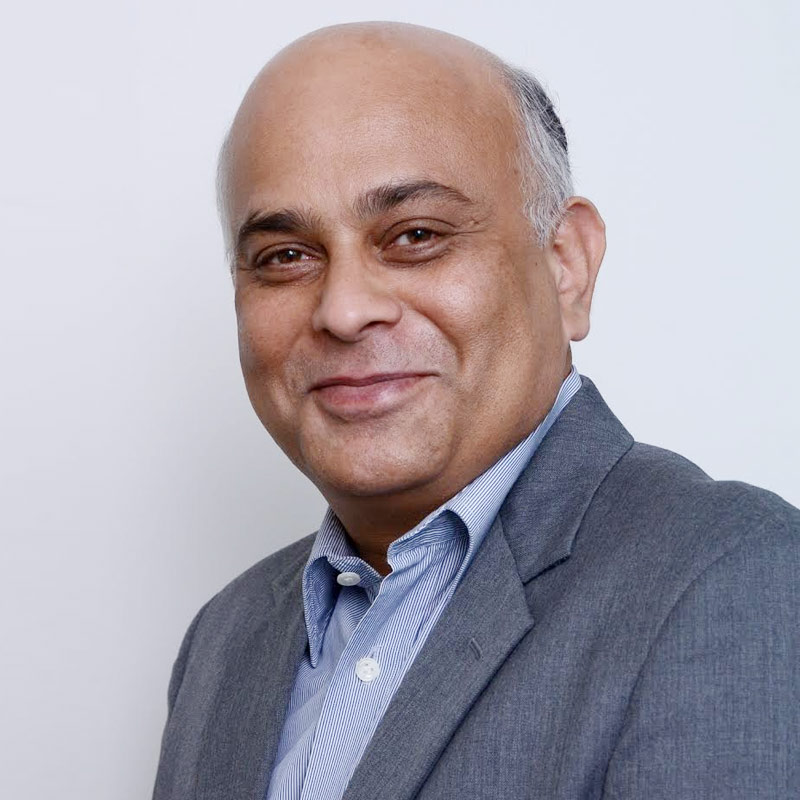
MUMBAI: Dalmia Cement (Bharat) Ltd has launched a digital engagement programme, ‘Dalmia Cares’ for its dealers and channel partners across the country. The programme offers cement dealers multiple ways to engage in social responsibility, wellness and family activities using digital and in home/ near home activities.
Dalmia Cement COO Ujjwal Batria said, “We have prided ourselves on being the first to market with various digital tools over the years. These tools help dealers make day to day business interactions easy, quick and cost-efficient. With the lockdown in force to overcome Covid19, we have launched several activities to keep morale up, help local communities and increase life satisfaction during this difficult time.”
Dalmia Cement executive director marketing Pramesh Arya said, “Many of our dealers are community and business leaders, and have already undertaken a number of social activities in their local areas. With Dalmia Cares, we wanted to create a larger social movement, helping give shape to a more focused effort to help communities and families.”

The Dalmia Cares programme includes daily task-based activities, including showcasing hidden talents, fitness activities at home, culinary challenges, puzzles, feeding local communities, helping stray animals among others. Dealers completing these tasks earn reward points, which they can redeem against a range of exciting prizes, including gadgets and household appliances. Dealers were also encouraged to donate to the PM-CARES fund and other charitable organisations of their choice. These funds raised by Dalmia Cement dealers are in addition to the Rs 25 crore and Rs 1.6 crore donated by Dalmia Bharat Group, and its employees respectively.

Dalmia Cement is one of the largest producers of speciality cement products in India, offering individual and institutional customers a wide variety of products across the country. The brand also offers products under the Dalmia DSP and Konark brands in key markets.
The programme has received hundreds of entries from the states Dalmia Cement operates in, with dealers delighting families and local communities with their contributions. The company will extend the programme as long as the effects of the lockdown remain in force around the country.




Brands
Origen Realty names Preeti Rai as president- sales & strategy
Veteran hire signals push into Gurugram market with growth ambitions

GURUGRAM: Origen Realty has appointed Preeti Rai as president for sales and strategy, as the company gears up to enter the competitive Gurugram property market.
The move brings in a seasoned industry hand with over two decades of experience across residential and commercial real estate. In her new role, she will lead the company’s sales operations and go-to-market strategy, with a focus on building a strong foothold in Gurugram and driving early momentum.
Origen Realty management said the appointment marks a key milestone in its expansion plans. Origen Realty management said the hire will help sharpen execution and strengthen the company’s sales-led growth strategy as it steps into a new market.
Preeti Rai said, “I look forward to being part of Origen Realty at a pivotal stage in its journey and contributing to building a strong presence in the Gurugram market.”
Before joining Origen Realty, she served as senior vice president for sales and marketing at Elan Group. Her career also includes stints at major developers such as DLF Universal Ltd, Today Homes and Infrastructure, Paras Buildtech Pvt Ltd and Ambience Infrastructure Ltd, where she built expertise across channel sales, leasing, and end-to-end deal execution.
Known for her focus on strategy and team leadership, Rai is expected to play a central role in shaping Origen Realty’s market positioning and sales ecosystem in the region.
As Gurugram’s real estate market continues to attract fresh investments and new entrants, Origen Realty’s latest leadership hire signals its intent to compete with a clear, sales-driven playbook.






