MAM
Cyber Indians fast adopting e-ticketing: IOA study

MUMBAI: The Internet & Online Association (IOA) has released its latest research on E-Commerce trends in India, particularly the e-ticketing segment.
The research was conducted along with Cross Tab Marketing Services. The target audience was visitors of e-commerce sites and transcended a geographic, age, gender, education and occupation bias.
The research reveals the significant findings in various categories from consumer goods to E-Ticketing. One sector that shows a steady growth and has already benefited is Indian Railway Catering and Tourism Corporation (IRCTC), a public sector company.
Railway Ticketing is a perfect example of self-service e-economy with the Internet being the domain of information, options, bookings, and capacity-allocation.
The E-Commerce report states that 39 per cent of respondents have used the online ticketing service of railways and in the near future, 48 per cent of the respondents are likely to opt for e-ticket booking.

“E-ticketing is the fastest growing category and has become a reality in India reaching to more than 139 towns and cities, and our study clearly demonstrates an increasing acceptance of the e-ticketing system. In a few clicks an online shopper can pull up train schedules on screen, immediately select the required details pay either by credit card or through direct debit from their bank account and complete the transaction within a couple of minutes. Indians can now shop from anywhere at anytime through a very simplified process. Growing satisfaction levels and word of mouth publicity are the primary factors for its fast growing popularity,” said IOAI president Preeti Desai.
IRCTC group general manager (IT Services) Amitabh Pandey said, B2C Ecommerce has become a commercially viable reality in the Indian business space today, IRCTC has played a pioneering role in this field and our experience has established that ecommerce is increasingly being accepted across the country by customers as a reliable way of doing business. Ecommerce is the future and we are proud to be a significant part of it.”
Salient Findings on Railway Ticket Booking Online
Everyday, 50000 customers plan their journeys on the IRCTC site and book over 7000 rail tickets online. The website serves five million page-views everyday and has 50,000+ unique individual visitors. More than half a million consumers in India and world over have transacted through the IRCTC website.
Age Group: 26-35 years (47 per cent) age group are buying the highest number of railway tickets followed by 18-25 years (21 per cent) further closely followed by the 36-45 years (20 per cent). The point to be noted here is that while the urban young may well constitute a big chunk of e-commerce customers, the market is in fact much larger and the older generation is both willing and able to transact on the Net and make on-line payments, as they are finding value in such transactions.
Gender and marital status: 87 per cent of online shoppers who have bought Railway Tickets are Male; 51 per cent of railway ticket shoppers are ‘Married with kids’ followed by 32 per cent who are unmarried and the remaining 17 per cent are in the married category.
Geographical: Sales of railway tickets are highest in Mumbai (25 per cent) and Delhi (21 per cent) followed by Chennai (8 per cent), Bangalore (7 per cent), Ahmedabad (2 per cent), Kanpur (2 per cent). The ‘other cities and towns’ (31 per cent) completes the category. With greater Internet penetration coupled with the railways impetus to increasing ‘e’ infrastructure the numbers for other cities will increase in the near future.
Transacting users: 25 per cent of those who transact on the website are new transactors i.e. people doing their first transaction on the site, while 75 per cent are those who have already done one or more transactions on the site showcasing a high level of satisfaction with e-ticketing.
Revenues: Revenues from ticket sales have crossed the level of Rs 40o million per month in recent months with the average value of a ticket varying between Rs 1400 and Rs 1600.
Payment options: 62 per cent of consumers have bought railway tickets by through credit cards and 38 per cent have started using direct debit their bank account on-line for the ticket purchased. Fourteen banks are offering a “Direct Debit to Bank Account” payment option making it easy for consumers without credit cards to shop online with an alternative payment option.
Tickets have been bought from other countries, some of which include United States, United Kingdom, Japan, Australia, Germany, Indonesia, Canada, Singapore, and United Arab Emirates
Buying Railway Tickets Online: To buy a ticket on the website a customer has to first register on the site http://www.irctc.co.in (free registration). With the user ID and password, the customer can login and book a ticket, make payment on-line using either a credit card or the Internet banking facilities of any of the 14 banks (mentioned below) with which the site is integrated.
Direct Debit transaction can be made from ICICI Bank, Citibank, American Express Bank, HDFC Bank, IDBI Bank, Bank of Punjab, Oriental Bank of Commerce, UTI Bank, State Bank of India, Centurion Bank, Punjab National Bank, ABN Amro, Corporation Bank, Federal Bank, Syndicate Bank, ITZ Cash, Union Bank of India.
The ticket so booked is delivered at the customer’s shipping address in any of 139 cities in India. IRCTC charges a service charge of Rs 40 per ticket in case of Second Class and Sleeper Class tickets and Rs 60 per ticket in case of other classes. Consumers can track the status of delivery of their ticket online using their PNR Number. However at present cancellation is not possible on the IRCTC site.

MAM
PwC India announces leadership change in Deals practice
Shashank Jain steps down as co-leader after nearly three decades with the firm.
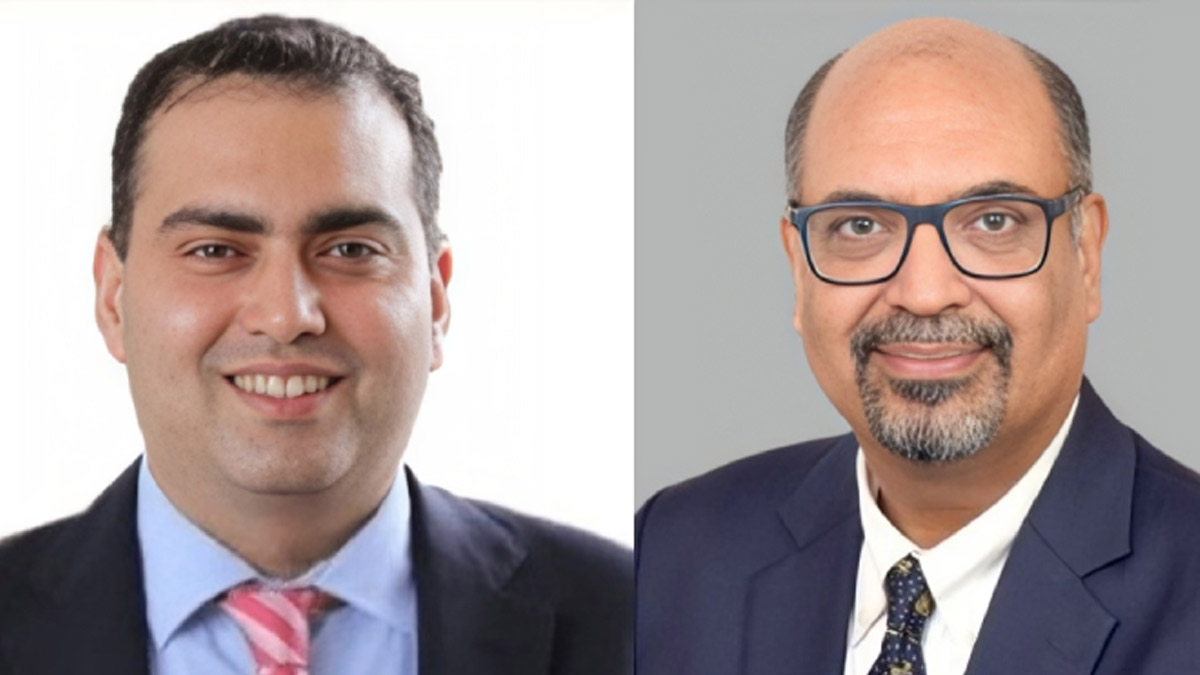
MUMBAI: When one dealmaker steps off the pitch, another is ready to take the baton because in the fast-moving world of transactions, the game never really stops. PwC India has announced a leadership transition in its Deals practice, with Shashank Jain stepping down from his role as co-leader to pursue an opportunity in the industry. The practice will continue to be led by Mohit Chopra, ensuring continuity and sustained growth momentum.
PwC India partner and leader for advisory dinesh Arora paid tribute to Jain’s contributions. “We deeply appreciate the significant contributions made by Shashank over close to three decades he has spent with PwC, particularly his defining role in shaping and strengthening our Transaction Services practice in India,” he said. Arora highlighted Jain’s support for clients through some of the most complex and significant transactions in the Indian market, noting his deep technical expertise, sound judgment and nuanced understanding of the evolving M&A landscape.
The Deals practice remains a key growth driver for PwC India, and the firm expects continued expansion under Mohit Chopra’s leadership. He will continue to guide clients through complex transactions and transformational business moments, building on the strong foundation established over the years.
Reflecting on his journey, Shashank Jain said, “I have had an exceptional journey at PwC. I owe my growth and learning to the nurturing environment and leadership development that PwC provided.” He added that he had been working closely with Mohit and the larger team to ensure a smooth transition and expressed confidence that Chopra would take the Deals practice to newer heights.
From intern to respected deals leader, Shashank Jain has clearly closed many successful transactions and now, it seems, he’s ready to strike a new deal of his own.









