MAM
Consumers must be made aware of packaging malpractices & misbranding of edible oil products

Mumbai: As we celebrate World Consumer Rights Day on 15 March, it serves as a timely reminder of being informed as consumers, especially regarding everyday household staples like edible oil. Therefore, choosing the right cooking oil is crucial for maintaining good health and well-being.
However, recent reports of mislabeling and unsafe packaging methods in the edible oil industry raise safety concerns for consumers. Given the highly competitive landscape of the Indian edible oil market, some edible oil makers, especially unorganized ones, are allegedly indulging into malpractices to maximize their gains. There are reports of refined palm oil being repackaged in different-sized containers and these containers are labelled and sold as other refined edible oils such as cottonseed oil, groundnut oil or sunflower oil. This practice is misleading and violates the regulation enlisted by the Food Safety and Standard Authority of India (FSSAI).
According to the FSSAI, every food package must clearly and precisely represent its contents on the product ensuring transparency and awareness among the consumers making well–informed decisions based on their requirements and preferences.

The concern here is of consumer health as different cooking oils have variable nutritional properties. Finding the wrong edible oil may impact the consumers with specific allergies to the refined palm oils triggering adverse health issues such as indigestion and also boost bad cholesterol inducing cardiovascular disease. Moreover, consumers seeking health benefits associated with cottonseed oils or any other edible oils are misled by the label on the package.
Adding further concerns, there have been reports of using recycled tins for packing edible oil. This contradicts the regulations laid by FSSAI which prohibit the use of recycled tins under the packaging rules and mandates the use of only prime-grade tin plates specifically for packing edible oil. The FSSAI central authority has clearly stated in their notification that “such tins containers once used shall not be re-used for packaging of any article of food.”
Recycled tins, particularly those tins which are not cleaned or repurposed adequately, might preserve harmful bacteria. The migration of harmful contamination into the edible oil may result in serious health issues, potentially related to foodborne infections, allergic reactions or chronic health problems. Furthermore, recycled tins fail to offer the same level of shelf life for the oil against the environmental factors, releasing dangerous chemicals and rust, potentially leading to rapid spoilage of the edible oil.
As consumers, one should be completely aware of these critical issues and thereby always choose safe and accurately labelled edible oil. Consumers should carefully check the labels of the edible oil and verify the FSSAI license number on the product to ensure its credibility.
Nonetheless, the responsibility solely doesn’t lie with consumers. The edible oil industry players must come together to eliminate such malpractices within the industry and promote transparency while strictly adhering to the FSSAI’s standards. It is high time that industry should launch an awareness drive in collaboration with general public to identify entities or people indulging in such malpractices and report them to the competent authority. The industry must pledge themselves to provide the consumers with safe and trustworthy cooking oil options, while encouraging all the consumers to be aware and choose reputable brands that value transparency and ethical practices.
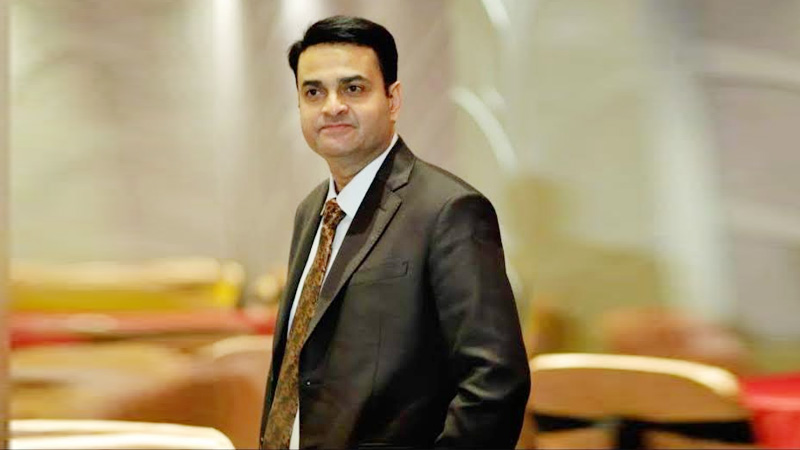
The author of this article is Gujarat Oil Refiners’ Association secretary Snehal Patel.


Brands
IICT partners with Gativedhi to bring studio production tools to students
New MoU lets students explore AI-driven production pipelines for AVGC-XR
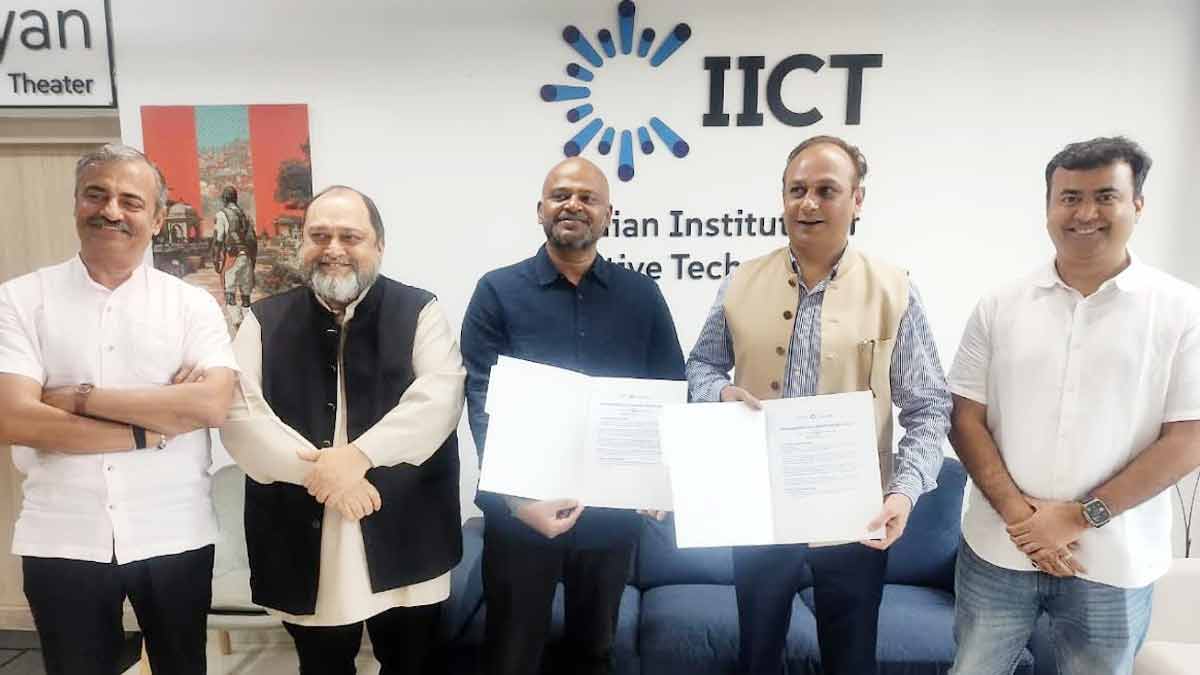
MUMBAI: The Indian Institute of Creative Technologies (IICT) has teamed up with Gativedhi Technologies to give students a front-row seat to modern studio production. The collaboration will integrate Gativedhi’s AI-powered production intelligence platform, Shotrack, into academic programmes, letting students experience the workflow systems used by animation, VFX and gaming studios.
Under the MoU, faculty, students and researchers will get hands-on access to Shotrack through beta programmes, pilot deployments and academic evaluations. This will allow them to explore simulated production pipelines, understand asset management, track tasks and monitor schedules, essentially seeing how complex projects come together behind the scenes.
Shotrack is designed to tackle a key industry challenge: when multiple studios work on the same project, differing internal systems often create bottlenecks, slow approvals and complicate version control. The platform provides a unified production environment, enabling smoother collaboration across distributed teams while generating operational insights and predictive analytics to optimise crew allocation, forecast schedule risks and manage costs.
The collaboration also opens doors to Gativedhi’s wider ecosystem. Upcoming tools include StudioTrack, for studio operations management covering budgeting, recruitment and IT infrastructure, and WorkTrack, which measures workflow efficiency and team productivity across industries.
IICT plans to embed these tools into programmes covering animation pipelines, VFX workflows, gaming production and media project management. Students will also benefit from guest lectures, masterclasses, workshops, internships and research projects that connect academic learning with real-world studio practices.
IICT CEO Vishwas Deoskar, said the partnership provides “An environment where production pipeline tools can be explored, tested and refined while students gain insight into how large-scale productions are organised.”
Gativedhi Technologies founder & CEO Senthil Kumar added, “This collaboration introduces students to real-world studio management tools and helps us improve our platform with academic feedback.”
With Shotrack in classrooms, India’s future animators, VFX artists and gaming producers will get a taste of studio life long before they step into one.