MAM
Consumer sentiments dipping across globe: Kantar Covid2019 barometer


NEW DELHI: Just 36 per cent of the consumers globally are willing to return to via public transport and 56 per cent are preferring delaying visits, for at least one more month, to restaurants/bars, 67 per cent to religious places, 70 per cent to gyms, and 72 per cent to cinemas, globally, reveals the wave seven of Kantar’s Covid2019 Barometer indicating the countries will have to face a tough time in restarting their economic activities in the full swing.
The number of people paying special attention to prices while shopping has grown from just over half (56 per cent) in April to two thirds (67 per cent) today.
The survey taken by more than 1,00,000 consumers across the world identified that consumers are becoming less supportive of the government relaxing restrictions, with a nine per cent dop if acceptance fo measures, (from 28 per cent in June to 19 per cent today), and a 10 per cent drop in support for a full reopening of social and leisure environments (from 27 per cent in June to 17 per cent today).

The report reads, “Disapproval is highest in the countries currently with the highest numbers of cases of coronavirus such as the USA where disapproval in the Government’s approach has risen from 36 per cent in May to 48 per cent today. With some countries showing signs of a second wave, health concerns are growing; two per cent more people are now classed by Kantar’s researchers as part of the Precarious Worrier tribe, and one in two are now very scared about the situation.”
Kantar’s research suggests a near-term recovery will be difficult to achieve for many countries. Consumer finances continue to remain heavily impacted, with nearly three-quarters of the population claiming to have already, or expect to have, their income damaged by the pandemic. The result has been changing priorities for many; while 64 per cent are prioritising financial planning 68 per cent are focussing on supporting a local economy/ buying local
“Despite the challenges we are all addressing, we see a growing appetite for change and renewal in our research,” observed Kantar CIO Rosie Hawkins. “Environmental causes and demand for brands to enact positive change have always been a priority for many, but we see a renewed focus in these areas. Demand for brands to be an example and guide change has consistently grown over several months to become the primary expectation of consumers. Our research highlights an opportunity for brands in prioritising product sustainability, waste reduction and purpose-driven products and experiences.”



Brands
Kingfisher signs three-year IPL partnership
Packaged water brand signs on as ‘good times partner’ for 2026–28 cycle
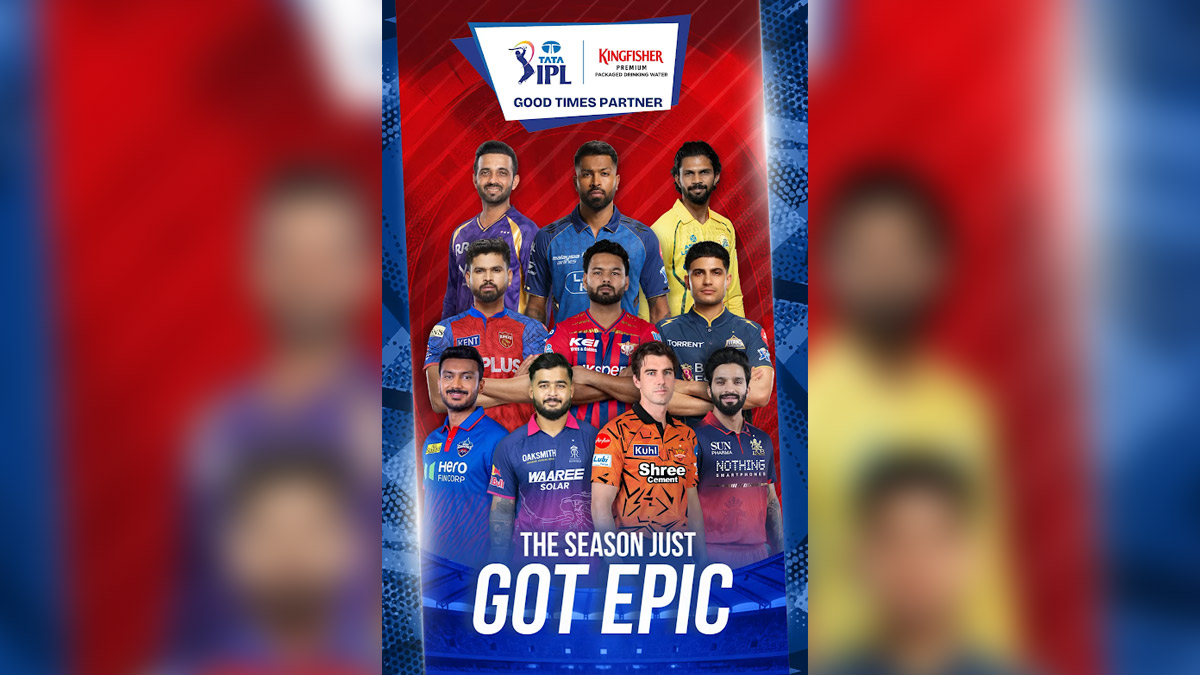
MUMBAI: Kingfisher Premium Packaged Drinking Water is betting big on cricket’s biggest stage, sealing a three-year partnership with the Board of Control for Cricket in India to sharpen fan engagement at the TATA Indian Premier League.
The brand, owned by United Breweries, will serve as the official “good times partner” for the men’s IPL from 2026 to 2028, extending a relationship that began with the Women’s Premier League. The move signals a broader push to embed itself deeper into live sport, with a focus on immersive, consumer-led experiences rather than conventional sponsorship visibility.
At the heart of the tie-up is a suite of fan-first activations spanning broadcast, stadiums and digital channels. These include the “Kingfisher Bird Cam”, offering a branded spider-cam perspective during live matches, and the “Good Times Zone”, an in-stadium entertainment hub during play-offs aimed at amplifying match-day buzz. The brand will also back IPL fan parks, elevate public screening experiences and run digital contests tied to key moments through the season.
Vikram Bahl, chief marketing officer, United Breweries, said cricket in India “is more than a sport, it is a shared cultural moment”, adding that the IPL brings that energy alive at scale. “For Kingfisher Premium Packaged Drinking Water, being present at the heart of these moments, in partnership with the BCCI, is a natural extension of what we stand for. Through this association, we aim to enrich how fans experience the game… making every match more immersive, social and memorable,” Bahl said.
Devajit Saikia, honorary secretary, BCCI, said the IPL “has always been at the forefront of redefining sports entertainment and fan engagement”. He added that the collaboration would fuse cricket fandom with “innovative fan experiences that extend beyond the stadium”, helping create memorable moments for audiences nationwide.
For United Breweries, part of the HEINEKEN group, the play is clear: move from passive branding to active participation in the fan journey—on screens, in stands and across social spaces. With millions tuning in and turning up each season, the IPL remains the country’s most potent marketing theatre. The question now is whether “good times” can translate into lasting brand recall in a market where visibility is easy, but engagement is hard-won.








