MAM
Consumer sentiment weakens in November 2023 for urban Indians – Refinitiv-Ipsos PCSI monthly survey


Mumbai: Consumer sentiment has weakened for urban Indians by 1.0 percentage points in November 2023, according to the Refinitiv-Ipsos Primary Consumer Sentiment Index (PCSI) for India.
The monthly PCSI result which is driven by the aggregation of the four, weighted, sub-indices, has slumped across all four sub-indices: the PCSI Economic Expectations (“Expectations”) Sub-Index is down 2.9 percentage points; the PCSI Employment Confidence (“Jobs”) Sub-Index has dipped 0.1 percentage points; the PCSI Current Personal Financial Conditions (“Current Conditions”) Sub-Index has decreased 0.3 percentage points; and the PCSI Investment Climate (“Investment”) Sub-Index has fallen 1.0 percentage points.
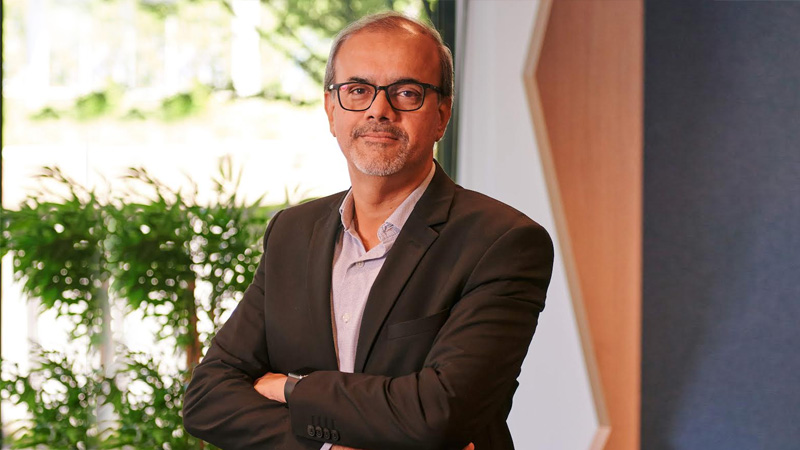
Ipsos India CEO Amit Adarkar said, “Consumer sentiment has weakened over the previous month largely around the economy. The global sentiment is depressed because of the global economic slowdown and war in Ukraine and Israel. Though India has been showing a lot of resilience, it is not insulated from global macro conditions. Another reason could be the post festival gloom, as sentiment is down for personal finances and investments for savings and purchase of big-ticket items. Also being the fag end of the year, hiring and jobs are lowkey as establishments are focusing on wrapping up the financial year. Though inflation is under control for now, the central bank has flagged off fast rise in retail credit as a risk that could have future inflationary impact.”

Consumer Sentiment in 29 Countries
India is second highest on National Index.
Among the 29 countries, Indonesia (63.2) holds the highest National Index score this month. India (63.1), which held the highest score last month, and Mexico (60.8) are the only other countries with a National Index score of 60 or higher. For Mexico, consumer sentiment is at its highest point since tracking started in 2010.
The Global Consumer Confidence Index is the average of all surveyed countries’ Overall or “National” indices. This month’s installment is based on a monthly survey of more than 21,000 adults under the age of 75 from 29 countries conducted on Ipsos’ Global Advisor online platform. This survey was fielded between 20 October and 3 November 2023.

How we did it
These findings are based on data from a monthly 29-country survey conducted by Ipsos on its Global Advisor online survey platform and, in India, on its IndiaBus platform. They are first reported each month by Refinitiv as the Primary Consumer Sentiment Index (PCSI).
The results are based on interviews with over 21,200 adults aged 18+ in India, 18-74 in Canada, Israel, Malaysia, South Africa, Turkey, and the United States, 20-74 in Thailand, 21-74 in Indonesia and Singapore, and 16-74 in all other countries.
Since March 2023, Ipsos India has moved the survey from covering only netizens to include an expanded offline sample, using the Ipsos IndiaBus – 1800 offline sample + 400 online sample, covering 16 cities across the length and breadth of the country, scientifically chosen, from NCCS A, B & C. More representative of the urban population.
Ipsos IndiaBus is a monthly pan India omnibus (which also runs multiple client surveys), that uses a structured questionnaire and is conducted by Ipsos India on diverse topics among 2200+ respondents from SEC A, B and C households, covering adults of both genders from all four zones in the country. The survey is conducted in metros, tier1, tier 2 and tier 3 towns, providing a more robust and representative view of urban Indians. The respondents were polled face-to-face and online. We have city-level quota for each demographic segments that ensure the waves are identical with no additional sampling error. The data is weighted by demographics and city-class population to arrive at national average.


MAM
Ameya Velankar steps down as Uber’s head of marketing for India & South Asia
Veteran marketer exits after more than seven years with the ride-hailing giant.
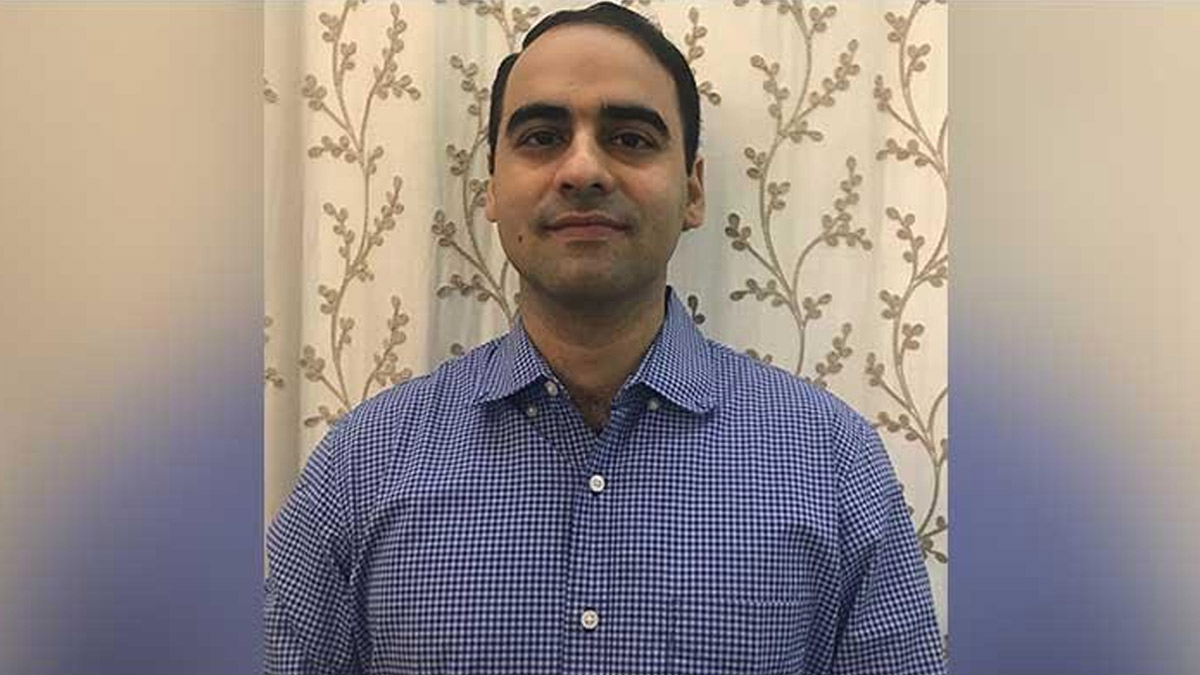
MUMBAI: After more than seven years of steering Uber through the bumpy roads of India’s mobility market, Ameya Velankar has decided to change lanes. Ameya Velankar has stepped down as Head of Marketing for India and South Asia, marking the end of a significant chapter at the ride-hailing company. He had been with Uber since 2019, taking on multiple roles in product and category marketing before rising to lead the marketing function for the region in 2021.
During his tenure, Velankar played a key role in strengthening Uber’s positioning in one of its most competitive and dynamic markets. He helped drive localised marketing strategies and scale adoption across key offerings such as Auto, Moto, Rentals and Intercity, tailoring global platforms to Indian consumer needs.
Prior to joining Uber, Velankar built his marketing expertise at leading consumer companies including SC Johnson and Marico, where he handled category and product leadership roles. His career began at RPG Enterprises.
Details of his next professional move have not been disclosed.
In a fast-evolving mobility landscape where brands constantly battle for attention, Ameya Velankar helped Uber stay relevant and resonant with millions of Indian users. As he moves on from the driver’s seat of marketing, the company will now look for fresh ideas to keep its wheels turning smoothly.






