MAM
Commuter Bike vs Sports Bike Insurance: Understanding Coverage and Premium Differences


Motorcycle insurance can vary depending on the type of bike. Commuter bikes and sports bikes differ in engine capacity, design, performance, and price. These differences may influence how insurers assess coverage and calculate premiums. Because of this, policy features and costs may not always be the same for both types of motorcycles.
This article explains how insurance for commuter bikes and sports bikes can differ and the factors that may influence these differences.
How Bike Type Influences Insurance Risk Assessment

Bike insurance assessment starts with the purpose and design of the motorcycle. A commuter bike is usually linked with daily travel, fuel efficiency, and regular city use. A sports bike is built for higher performance, and that can lead to a different level of risk in the insurer’s view. Because of this, the type of bike matters from the beginning of the policy review.
Engine Capacity and Its Role in Premium Calculation
Engine capacity is a major factor in premium calculation because it reflects the power of the bike. Commuter bikes usually have lower engine capacity, so insurers may view them as carrying lower risk. Sports bikes often have higher engine capacity, which can raise the expected exposure. This is why engine size remains one of the key technical details in premium assessment.
Impact of Bike Value on Insurance Cost
The value of the motorcycle directly affects the cost of the policy. A commuter bike is often lower in market value, so the insurer’s financial exposure is also lower. A sports bike is usually more expensive, so the insurer may have to pay more if it is stolen or damaged beyond repair.
In such cases, the claim amount can be much higher than that of a commuter bike. This difference in value often affects the coverage selection.
Repair Costs and Availability of Spare Parts
Repair cost is another major difference between these two categories. Commuter bikes usually have simpler parts and easier availability, which can help control repair expenses. Sports bikes often require specialised parts and more detailed repair work. If spare parts cost more or are harder to source, the insurer may consider the bike more expensive to repair after damage.
Insured Declared Value (IDV) Differences
IDV is the current insured value of the bike after depreciation, and it plays an important role in policy pricing. A commuter bike usually starts at a lower purchase value, so its IDV is generally lower as well.
A sports bike often begins at a higher price, and its IDV also stays higher. Since IDV affects the amount payable in case of total loss or theft, it has a clear impact on the premium.
Claim Cost Exposure for Different Bike Types
Claim cost exposure is not only about how often claims may happen. It is also about how expensive the claim may be when it does happen. For commuter bikes, the cost of parts and labour is often lower, so claim amounts may remain more manageable.
For sports bikes, even limited damage can result in a higher repair bill. That wider financial exposure is a major reason why insurers assess them differently.
Add-On Cover Considerations
Add-on cover should match the bike’s value, usage pattern, and repair profile. For a commuter bike, the need may stay closer to basic financial protection for regular use. For a sports bike, an optional cover may need more careful review because repair and replacement costs are usually higher.
The right approach is to look at the bike’s risk profile rather than treating both categories in the same way. This helps the policy remain more suitable to the vehicle.
Conclusion
Insurance for a commuter bike and a sports bike differs because the financial risk attached to each one is not the same. Engine capacity, market value, repair cost, spare part availability, IDV, and claim exposure all shape the final assessment. A commuter bike is usually linked with lower exposure, while a sports bike may involve higher policy costs because the insurer may need to cover a larger loss. Understanding these differences helps in making a more informed insurance decision.







MAM
Joy Personal Care rolls out Ubtan Face Wash TVC with Shah Rukh Khan
New film pairs star power with simple skincare pitch for summer glow
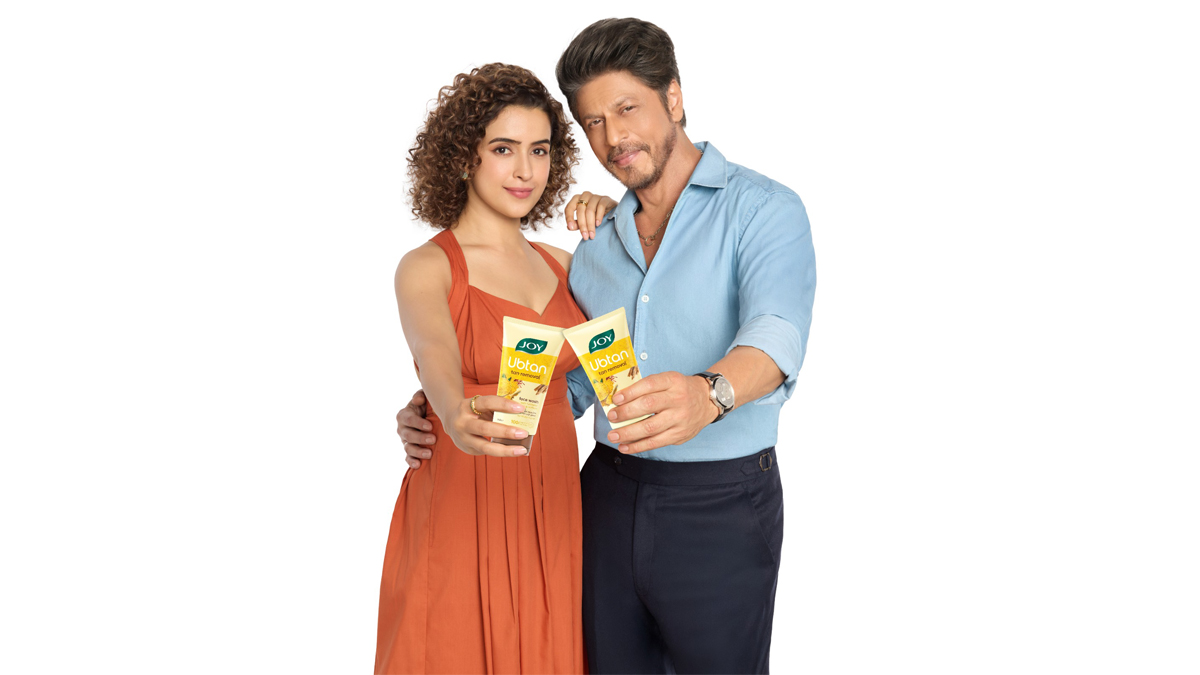
MUMBAI: Joy Personal Care has unveiled a new television commercial for its Ubtan Face Wash, bringing together Shah Rukh Khan and Sanya Malhotra in a light-hearted campaign aimed at simplifying everyday skincare choices.
The film, which marks the product’s television debut, is set in a retail environment where Malhotra is seen navigating a shelf full of options before Khan steps in with his trademark charm to offer a fuss-free solution. The narrative leans on humour and relatability, turning a routine purchase into a playful exchange.
At its core, the campaign promotes the brand’s ubtan-based formulation, which blends traditional ingredients such as turmeric, saffron and sandalwood to address common summer concerns like tanning and dullness. The messaging keeps things simple, positioning the product as an easy addition to daily routines rather than a complicated skincare step.
RSH Global co-founder and chairman Sunil Agarwal said, “As summer sets in and exposure to sun and heat intensifies, skincare concerns like tan and dullness become more pronounced. Consumers today are looking for solutions that deliver visible results while remaining easy to incorporate into daily routines.”
Echoing the consumer-first approach, RSH Global chief marketing officer Poulomi Roy said, “Through this campaign, we have brought that insight to life in a simple and engaging way, showing how Joy Ubtan Face Wash makes traditional skincare easy and effective. Shah Rukh Khan and Sanya Malhotra add relatability and charm, helping the product connect more strongly with audiences.”
Sharing his experience, Shah Rukh Khan said the campaign stood out for its simplicity and everyday appeal, while Sanya Malhotra highlighted the natural chemistry and playful tone of the shoot.
The campaign will be amplified across television, digital and social platforms, signalling a wider push as the brand looks to strengthen its position in the competitive face wash segment.
Part of RSH Global, Joy Personal Care continues to build visibility through celebrity-led campaigns and sports partnerships, including associations with Kolkata Knight Riders, Delhi Capitals and Gujarat Giants.
With familiar faces, a breezy storyline and a focus on everyday concerns, the latest campaign keeps things straightforward. In a crowded skincare aisle, sometimes the easiest answer is also the most effective one.






