MAM
Collective Artists Network acquires Terribly Tiny Tales

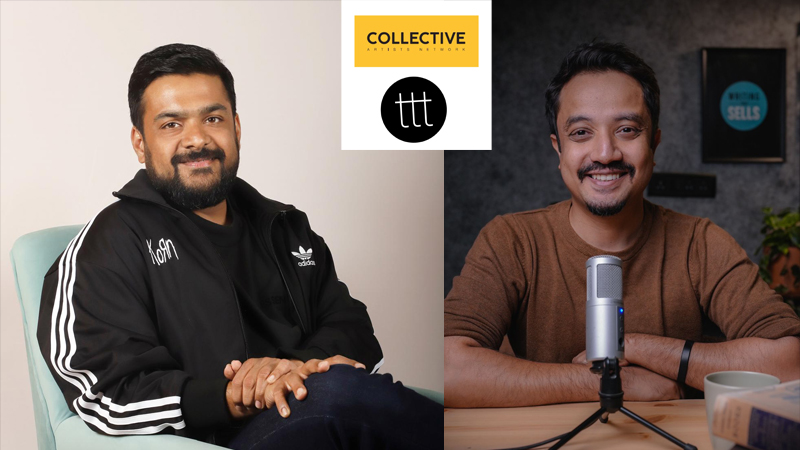
Mumbai: Collective Artists Network, a trailblazer in the new media landscape, proudly announces its acquisition of Terribly Tiny Tales (TTT), a premier storytelling platform. This strategic acquisition aligns with Collective Artists Network’s vision to become the country’s new media company with its roots in popular culture and expanding its influence in the media industry.
TTT began its journey in 2013 as a text-first flash fiction platform on Facebook, founded by Anuj Gosalia. Recognising the need for organic storytelling amidst the clutter of internet memes and GIFs, Gosalia launched TTT to bring meaningful and relatable content to digital audiences. Over the years, TTT has transformed into a versatile content powerhouse with a vibrant community of over 5 million creators and content lovers. The platform now spans Instagram, YouTube, and other social media, boasting millions of loyal followers.
Collective Artists Network founder and CEO Vijay Subramaniam commented on the acquisition, “My vision has always been to build scale by creating an ecosystem that supports the best forms of storytelling for creators. The acquisition of Terribly Tiny Tales fits perfectly into our expansion plan to establish Collective Artists Network as the preeminent new media company centred around creators and content. We endeavour to empower the entire creator ecosystem with our network and this acquisition is another step toward achieving that goal.”

TTT’s evolution from a micro-fiction platform to a comprehensive content business is marked by its impressive reach and impact. The platform’s weekly engagement reaches 25 million people, making it a valuable partner for ambitious brands seeking to share their stories. TTT has successfully collaborated with major brands and created original content, including web series, short films, and animated shorts.
Terribly Tiny Tales founder and CEO Anuj Gosalia shared his enthusiasm, “Joining forces with Collective Artists Network is a definitive moment for Terribly Tiny Tales. This partnership will enable TTT to leverage Collective’s extensive resources and expertise, allowing us to amplify our reach and impact in the storytelling domain. We are thrilled to be part of this burgeoning force that values creativity, storytelling and innovation as much as we do.”
Since its inception, Collective Artists Network has transitioned from its renowned talent management roots to becoming a dynamic new media entity. The company launched BigBang.Social last year, a tech platform that connects creators with opportunities for commerce, brand collaboration, upskilling, and community building. This platform has been instrumental in fostering a vibrant creator community.
Last year, the company further expanded its portfolio by acquiring Under 25 Universe, a learning technology company aimed at empowering student culture and providing opportunities within the creator ecosystem. And most recently the Gruhas Collective Consumer Fund was established in partnership with Nikhil Kamath’s Gruhas to invest in and support young entrepreneurs and start-ups in the consumer sector.
The acquisition of Terribly Tiny Tales is a significant milestone in Collective Artists Network’s journey to redefine creator-led new media businesses. With this acquisition, the company is poised to resonate even more deeply with diverse audiences in today’s dynamic media landscape.







MAM
Beacon Group appoints Dr Rajesh Patel as Group CEO
36-year healthcare veteran to lead Beacon Diagnostics, Vector Biotek, Biogeny.

MUMBAI: A new chief, a fresh diagnosis and a sharper prescription for growth. Beacon Group has appointed Dr Rajesh Patel as its Group Chief Executive Officer, effective April 1, 2026, signalling a decisive push to scale its presence in the diagnostics and IVD space. Patel steps into the role with 36 years of experience across the healthcare and diagnostics industry, bringing a career shaped by leadership roles spanning sales, marketing, business development and operational strategy. His mandate is both expansive and precise: to steer the group’s overall strategic direction while tightening coordination across its three core entities Beacon Diagnostics, Vector Biotek and Biogeny Diagnostics.
In practical terms, that means driving cross-company synergies, accelerating market expansion and strengthening organisational capability areas increasingly critical as diagnostic players compete for scale in a fragmented yet rapidly evolving healthcare ecosystem. The group is positioning itself to capture unmet demand across chain laboratories, key accounts and standalone labs, segments that remain underserved despite growing diagnostic needs.
The appointment comes at a time when the In Vitro Diagnostics (IVD) sector in India is entering a more competitive and innovation-led phase, with companies focusing not just on product pipelines but also on service delivery, integration and customer-centric models. Beacon’s leadership appears to be betting that Patel’s execution-focused approach can help translate ambition into operational momentum.
Welcoming the appointment, Chairman Dr D K Joshi described Patel’s induction as a strategic move aligned with the group’s long-term vision, emphasising the role of leadership depth in navigating the next phase of growth.
For Beacon Group, the message is clear, in a sector where precision matters, leadership is the new differentiator—and this appointment is intended to set the tone for what comes next.






