MAM
Cineline ditches the bed, makes a blockbuster move with hotel sale cash

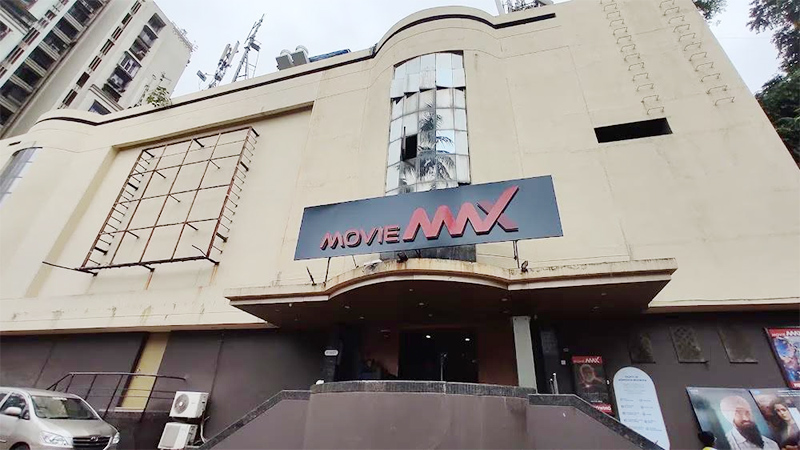
MUMBAI: It’s lights out for Cineline India’s hospitality stint. The film exhibition player has checked out of the hotel biz, and it’s not leaving a tip. In a move that’s more box office than boardroom, the company sold off its Goa-based Hyatt Centric hotel—owned by its arm R&H Spaces Pvt Ltd—for a neat Rs 270 crore. Who bought it? A non-promoter outfit, Sparsh Vidyut Pvt Ltd. Why? To settle scores, crush debt, and go full throttle on movie screens.
Yes, Cineline is pulling a dramatic plot twist—moving from beds to blockbusters. And here’s the kicker: with this sale, the company has knocked off Rs 120 crore in debt tied to the hotel. But wait, there’s more.
They’re going for a full clean slate. Cineline will use the remaining funds to pay off Rs 108 crore of debt from its film exhibition business. Translation: zero debt. That’s not just financial discipline—it’s a full financial detox.

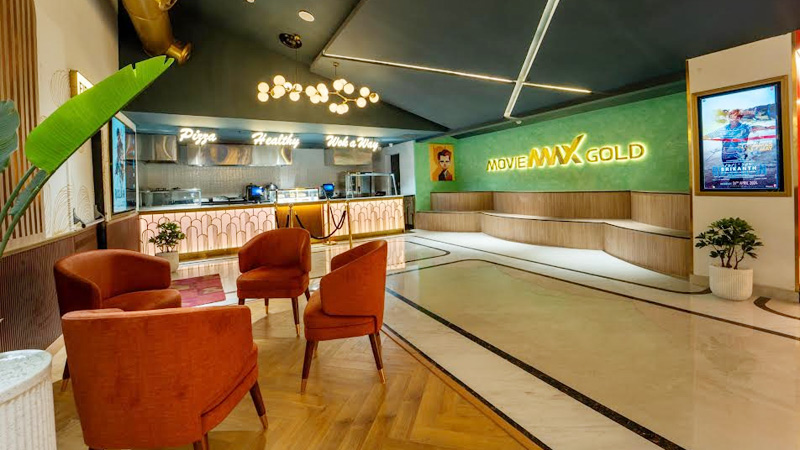
The icing on this celluloid cake? The cash left over is going straight into its first love—cinema. And the ambitions are nothing short of a megahit. Since relaunching the Moviemax brand in April 2022, the company already boasts 77 operational screens and has deals tied up for 82 more.
Over the past two years, Cineline has been on a selling spree—unloading real estate worth Rs 351 crore, including the Rs 270 crore hotel sale, a Rs 60 crore mall in Nagpur, and two Mumbai commercial spaces for around Rs 21 crore. All roads lead to the box office.
So what’s next for this reinvigorated, popcorn-powered outfit?
Let’s talk strategy. The company’s rolling out a three-part script for growth:
. Cash is king: With Rs 22 crore annually saved from no more debt servicing, Cineline plans to pump this into screen expansion. It’s also keeping eight cinema properties in its back pocket for future monetisation.
. Capital-light chic: Cineline aims to keep capex lean by partnering with developers for new screen infrastructure.
. Share and flair: Future expansions will mostly follow a revenue-share model. Less rent, more freedom.
CEO Ashish Kanakia didn’t mince words, “We have successfully completed the sale of our hotel asset for an enterprise valuation of Rs 270 Crores, allowing us to fully concentrate on expanding our core film exhibition business. This move will accelerate growth and help expand our market presence through addition of new screens.”
He added that being debt-free will boost cash flow and allow Cineline to capitalise on the expected box office bounce-back. Cineline has left the hospitality lobby and entered the cinema hall, popcorn in hand and eyes on the marquee.
So, is this India’s smartest pivot from rooms to reels? Time—and ticket sales—will tell.


MAM
Ameya Velankar steps down as Uber’s head of marketing for India & South Asia
Veteran marketer exits after more than seven years with the ride-hailing giant.
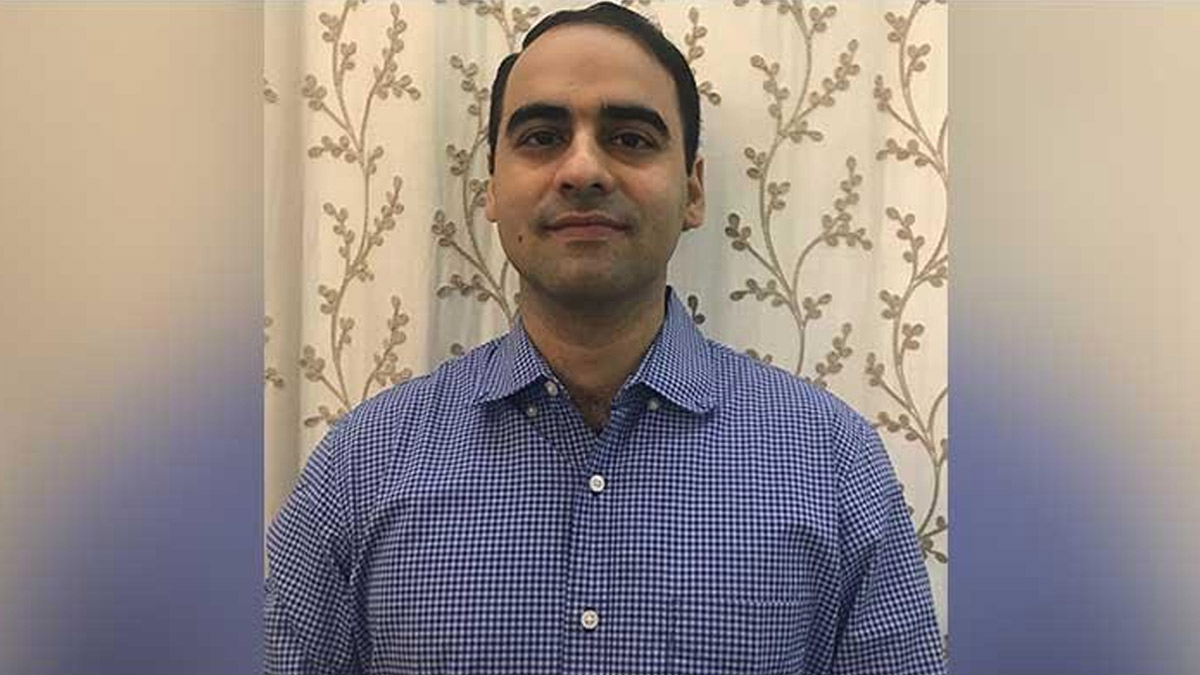
MUMBAI: After more than seven years of steering Uber through the bumpy roads of India’s mobility market, Ameya Velankar has decided to change lanes. Ameya Velankar has stepped down as Head of Marketing for India and South Asia, marking the end of a significant chapter at the ride-hailing company. He had been with Uber since 2019, taking on multiple roles in product and category marketing before rising to lead the marketing function for the region in 2021.
During his tenure, Velankar played a key role in strengthening Uber’s positioning in one of its most competitive and dynamic markets. He helped drive localised marketing strategies and scale adoption across key offerings such as Auto, Moto, Rentals and Intercity, tailoring global platforms to Indian consumer needs.
Prior to joining Uber, Velankar built his marketing expertise at leading consumer companies including SC Johnson and Marico, where he handled category and product leadership roles. His career began at RPG Enterprises.
Details of his next professional move have not been disclosed.
In a fast-evolving mobility landscape where brands constantly battle for attention, Ameya Velankar helped Uber stay relevant and resonant with millions of Indian users. As he moves on from the driver’s seat of marketing, the company will now look for fresh ideas to keep its wheels turning smoothly.






